
 Worksheets
Chapter 1 to Chapter 5
Total questions: 35
Worksheet time: 19mins
Which domain has membrane lipid with unbranched hydrocarbon chain that linked by ester linkage?
Bacteria
Archaea
Eukarya
The Gram-positive bacteria stain purple because
they form thin outer membrane
they have thick outer membrane
they have thin peptidoglycan layer
they have thick peptidoglycan layer

Which of the following statements concerning blue green algae is NOT true?
Blue green algae are eukaryotes.
Blue green algae are photosynthetic organism.
Some blue green algae are unicellular, some are filamentous.
Blue green algae reproduce asexually by binary fission and fragmentation.
Kingdom Fungi is classified into 3 classes based on...
presence of septum in hyphae
modes of nutrition
sexual spore-bearing structures
components of cell wall
Agaricus sp. belongs to
Ascomycota
Zygomycota
Basidiomycota
Apicomplexa
Non-vascular plants belongs to which group?
pteridophytes
bryophytes
gymnosperms
angiosperms
Which of the following is the unique characteristics for Kingdom Plantae
cell wall consist of peptidoplycan
carbohydrate storage is glycogen
has alternation of generation
motile
Usual mode of reproduction: Sexual
Type of fertilization: External
Embryology: Blastopore contributes to the formation of anus; cleavage is radial
Symmetry: Immature form is bilateral; mature form is five-part radial
Body cavity: Lined with tissue derived from mesoderm
Segmentation: No evidence
Skeleton: Spiny exoskeleton secreted by the dermis and covered with a thin epidermis
Habitat: marine
Into what phylum should this organism be placed?
Chordata
Echinodermata
Mollusca
Nematoda
Coelomate, exoskeleton and jointed appendages are characteristics of
Annelida
Arthropoda
Mollusca
Chordata
Which of the following group of animals is sessile?
jellyfish
cockles
sponge
coral
The nematodes are also called _________________.
flatworms
roundworms
tapeworms
earthworms
Which of the following features could be used to distinguish between an earthworm (annelid) and a tapeworm (platyhelminth)?
segmentation
germ layer
body coelom
organization level

This animal is classified under
Nematoda
Annelida
Chordata
Mollusca
Which phylum and species that has these characteristics
- bilateral symmetry
- have chaetae/ setae
- have paired of metanephridia
- coelomate
Annelida - Ascaris sp
Nematoda - Acatina sp
Arthropoda - Taenia sp
Annelida - Pheretima sp


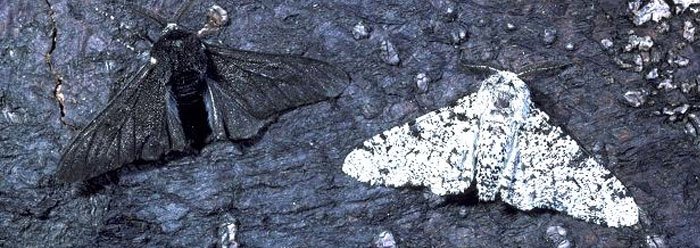
The process of a new species arising within the geographic range of the parent population is called
ecological speciation
allopatric speciation
adaptive radiation
sympatric speciation
Which of the following must occur after a period of geographic isolation in order for the two sibling species to remain genetically distinct following their geographic reunion in the same home range?
Prezygotic barriers
Postzygotic barriers
Ecological isolation
Reproductive isolation
Which of the following statements regarding enzyme is TRUE
Enzyme decreases the free energy change of a reaction
Enzyme changes the direction of chemical reaction
Enzyme increase rate of reaction
Enzyme prevents changes in substrate concentration
A series of enzymes catalyze the reaction A --> B --> C --> D. Product D binds to the enzyme that converts A to B at a position other than its active site. This binding decreases the activity of the enzyme. What is the function of substance D?
As a coenzyme
As a non-competitive inhibitor
As a competitive inhibitor
As a substrate

Based on the graph, which of the following could be used to increase the reaction rate beyond point C?
Increase the amount of substrate
Add more water
Increase the temperature
Increase enzyme concentration
When glycolysis occurs,
a molecule of glucose is split
two pyruvate are made
some ATP is produced
all of these


The following molecules are produced during the Citric Acid Cycle:
NADH
FADH2
CO2
ATP

What are the final products of oxidative phosphorylation?
NADH
ATP
CO2
H2O
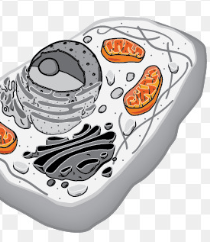
Where in a eukaryotic cell would cellular respiration occur?
chloroplast
nuclues
mitochondrion
ribosomes

