
 Worksheets
APES Unit 8 Review
Total questions: 74
Worksheet time: 1hrs 6mins
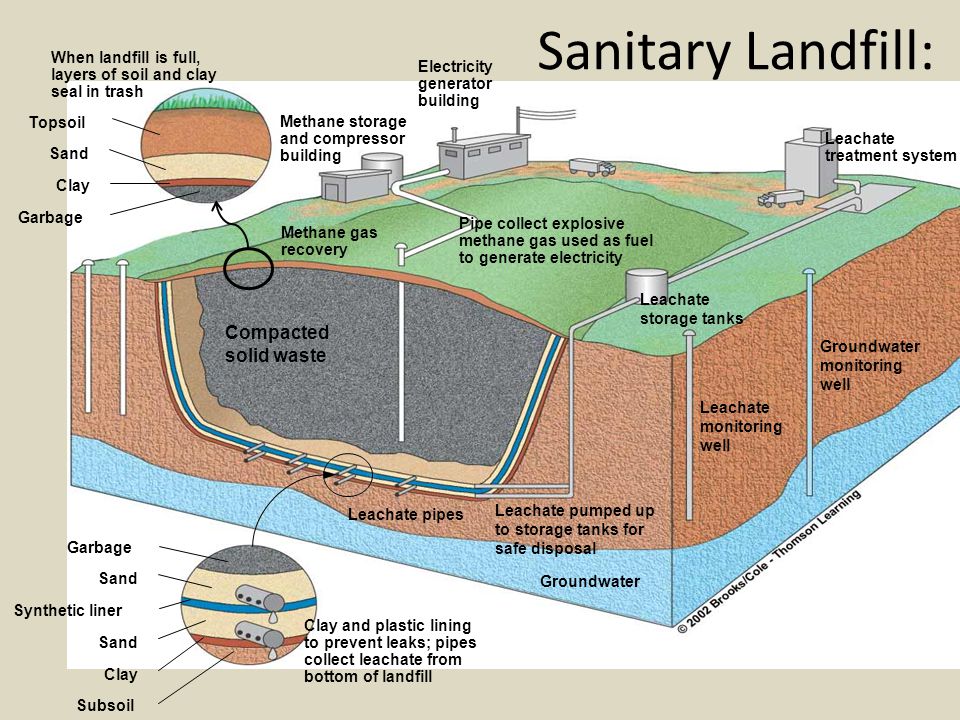
Where would you expect to find the greatest concentration of leachate?
at the bottom of the landfill
at the top of the landfill
throughout the landfill
leachate is not created in a landfill
Bacteria in landfills perform anaerobic respiration as they decompose materials very slowly. This process creates
methane
leachate
CO2
oxygen

In a landfill, MSW is covered with soil every day to reduce the impact of
rats, seagulls and smells
methane, leachate and litter
leachate, rats and groundwater pollution
surface water pollution and air pollution
Which soil is best to have under a landfill?
sand
silt
clay
loam


Which organism in the food web would
contain the highest concentration of chemical pollutants?
producers
primary consumers
secondary consumers
tertiary consumers

Which organism in the food web shown to the right would
contain the lowest concentration of chemical pollutants?
producers
primary consumers
secondary consumers
tertiary consumers

Which organism shown in the food chain above would contain the greatest concentration of chemical pollutants?
phytoplankton
krill
tuna
shark
Concentration of toxins in an organism as a result of ingesting other plants/animals in which the toxins are widely distributed
bioaccumulation
point-source pollution
artificial eutrofication
consumable pollution


True or False: Biomagnification means that animals at the bottom of the food chain have a higher concentration of PCBs.
True.
False.
Oil spills are a form of...?
Animal murder
Environment saving
Pollution
Environment harm
What are three ways to clean up oil spilled in the water?
burning, skimming, and containment
scooping, looping, and tubing
soaking, booming, and microbes
ALL of the followed were affected by the oil spill EXCEPT for...
fishing and shrimping
tourism
people's jobs
growing of crops
Dose causing death of half of the organisms exposed at this level.
LD50
LC50
TC50
TD50
Indicates how poisonous a substance is to biological organisms
toxicity
acute effects
chronic effects
bioaccumulation
Effluent pipes, smokestacks, and oil spills are all examples of
persistance
point-source pollution
nonpoint-source pollution
heavy metals
Which type of pollutant does not require direct contact
Heavy Metals
Radition
POPs
Acids
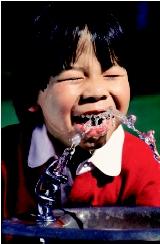
Requires maximum level of contaminants (MCLs) to meet safety regulations for community tap water supplies
Clean Water Act
Kyoto Protocol
Montreal Protocol
Safe Drinking Water Act
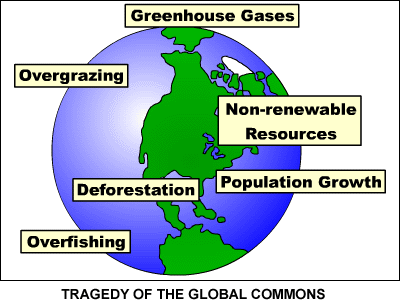
Which of the following is the best illustration of the 'Tragedy of the Commons?'
Agreements among western ranchers to jointly manage common grazing land
Depletion of fishing stocks in the North Atlantic
Removing fish from the ocean up to the maximum yield.
Using sustainable fishing techniques like a pole or spear.
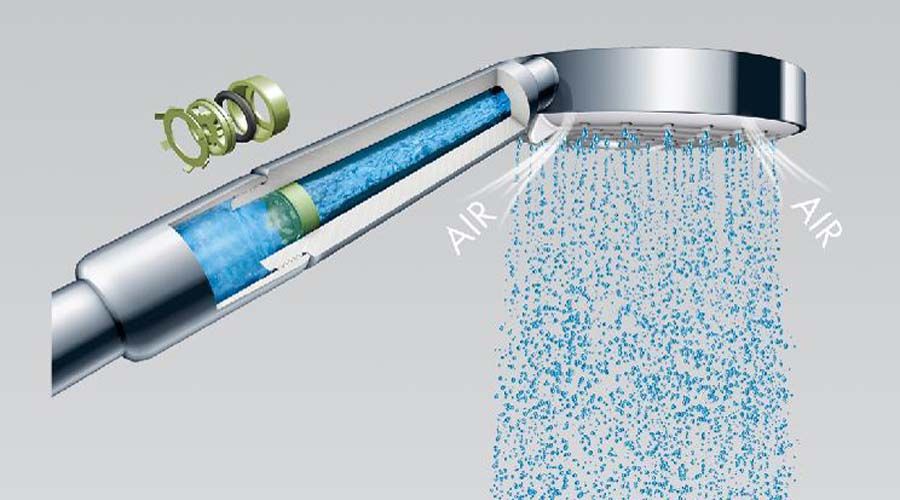
A family of five recently replaced its 7-gallon-per-minute showerheads with water-saving 3-gallon-per-minute showerheads. Each member of the family averages 10 minutes in the shower per day. How many fewer gallons of water will the family use each day with the new showerheads?
40 gallons per day
200 gallons per day
1,000 gallons per day
2,100 gallons per day
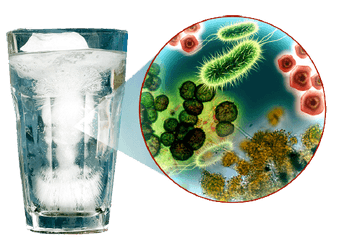
Presence of fecal coliform bacteria suggests that
a factory polluted the river
a nearby treatment plant added chlorine to the waste water
the water is safe for drinking
untreated animal waste contaminated the water
Which of the following describe the relationship between D.O. and B.O.D. (Biological Oxygen Demand) ?
When D.O. decreases, the B.O.D. decreases
When D.O. decreases, the B.O.D. increases
When B.O.D. decreases, the D.O. decreases
When B.O.D. increases, the D.O. decreases
What is a major effect to the environment of combusting (burning) plastic?
It releases toxic chemicals and fumes
It is smelly
It is an eyesore
Animals step on and it is hot so it will damage their paws.
Land fill sites are an eyesore. What does this mean?
It looks ugly on the landscape
It releases toxic fumes
It attracts animals that get trapped
It looks great.
If plastics are discarded and cover the ground, what will happen to rates of photosynthesis?
They will increase as light gets to the grass.
They will stay the same
They will decrease as more light can get to the grass.
They will decrease as less light can get to the grass.
Why do farmers use pesticides?
To kill weeds that might compete for nutrients in the soil and space
To kill insects that might feed on their crops and damage them.
To kill the crops
To kill animals in the area
DDT is a pesticide. What happens if it is consumed?
It builds up in the food chain and becomes more concentrated.
It is toxic and can damage the organism
It genetically modifies the organism
It has no effect
What are some solutions to preventing pesticides and herbicides damaging the environment
Don't spray crops when heavy rain is forecast
Use twice as much as recommended (at least half will stay on the crops)
Only use the required amount (not excess)
Genetically modify plants so they are naturally pest resistant
What is the effect of female contraceptives getting into water sources?
water pollution
feminisation in fish
algae builds up on the surface of the water
Low sperm count in men
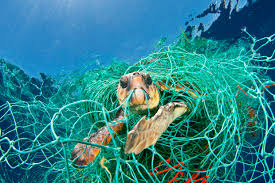
Marine debris can cause animals to:
Starve
strangle
Suffocate
all of the above.
The federal legislation that sets standards for wildlife and recreation in surface bodies of water in the US
Water Quality Act
Clean Water Act
Pollution Prevention Act
National Environment Policy Act
Safe Drinking Water Act
Which water quality test will best determine the disruption of photosynthesis caused by cloudy water conditions from sedimentation?
Temperature
Salinity
Dissolved oxygen
pH
Turbidity
Which of the following would LEAST likely reduce the nutrient loading into the Chesapeake Bay estuary?
Replanting of riparian zones and sea grass beds
Upgrade of current sewage treatment plants
Improvement of manure containment lagoons in feedlots
Government subsides for cotton crops
Re-introduction of native oyster beds
Which of the following is a point-source pollutant?
Sediment loading from erosion
Runoff of pesticides from croplands
Animal wastes from feedlots
Fertilizer runoff from urban areas
A sewage treatment plant effluent pipe
Which of the following would most likely cause metabolic stress in aerobic lake organisms?
Variation in conductivity
Dissolved oxygen levels at or below 2 ppm
Influx of dissolved solids
A 1 to 2 -degree change in water temperature
An increase in pH from 6-7
Stronger regulations for coal-burning power plant emissions are likely to reduce which of the following aquatic pollutants?
Arsenic
DDT
Mercury
Atrazine
Which of the following river conditions would yield the highest dissolved oxygen content?
Fast-moving cold water, large amounts of submerged vegetative biomass
Stagnant, warm water with large clumps of algae
Slow- moving warm waters, low amounts of submerged vegetative biomass
Warm water with little vegetative biomass
The loss of riparian land along a river would cause which of the following?
I. Increased flooding
II. Decreased turbidity
III. Increased non point-source pollution
I only
II only
I and III
I, II, and III
Increased use of inorganic (lab-made) fertilizers on crops contributes to:
Hypoxia in the Gulf of Mexico
Increase in storm severity in southeastern U.S.
Water shortages in California
Saltwater intrusion on the East Coast.
Increase levels of Mercury in Tuna
What is it called when a persistent pollutant (like mercury or PCBs) builds up in the tissues of an organism as they continue to eat something that contains the pollutant
Subsidence
Biomagnification
Tragedy of the commons
Bioaccumulation
Cultural eutrophication
Which pollutant or pollutants are most likely to create eutrophic areas?
nitrates and phosphates
heavy metals
synthetic organic compounds
pharmaceuticals
Acid deposition


What does chlorination do to the water?
Kills microorganisms
Cleans the water
Makes the water taste nice
Removes twigs and sediment
What is an oil spill?
A release of oil into the environment
When an oil tanker gets hit and oil spills, into the ocean
When oil spills in the ocean and land
All of the above
Oil spilled from the tanker Exxon Valdez because
it ran into an iceberg.
it collided with another ship.
it ran aground on the beach.
it ran aground on a reef.
The animals hit the hardest from the oil spill were
the sea otters and birds.
whales.
polar bears.
none.


Why is the Exxon Valdez oil spill remembered?
The Exxon Valdez spill damaged the unspoiled coast of Alaska.
The Exxon Valdez was the largest oil tanker to ever carry oil.
The Exxon Valdez was the only tanker to have more than one large accident.
What may be impacted by oil that washes up on the shoreline?
Tourism
Fishing
Wildlife
All of these
Thermal pollution occurs when
Hot water is released into the environment
Radiation is released into the environment
Lead is released into the environment
Mercury is released into the environment.
E-waste is
Electronic Waste
Environmental Waste
Engineering Waste
Endless Waste
What is NOT true of E-waste.
Toxic substances can leak out of e-waste.
E-waste can be recycled to salvage the metal components
E-waste includes televisions, cell phones, and computers.
E-waste is illegal to put in a sanitary landfill.
What is not true about incineration of solid waste?
It helps reduce the amount of waste in landfills.
It can release dangerous toxins into the environment.
It can be used to generate electricity.
There is nothing left after the trash is burned.
Rubber Tires
Are not accepted in landfills
Can collect water and breed mosquitoes
Can catch on fire and burn.
All of these.
Primary treatment of sewage
Includes grates to remove large objects/ trash.
Includes settling of large particles.
both of these
neither of these
Secondary treatment
Includes aeration to help bacteria decompose the sewage
Includes sedimentation of small particles.
Is the last treatment step in many water treatment plants.
All of these.
Tertiary treatment
Is disinfecting the sewage.
Uses filters or wetlands to further clean the water.
Is usually the last step in most water treatment plants.
All of these.

