
NEW
Font size
 Worksheets
Exam 3 (Nervous, etc) BIO 200
Total questions: 60
Worksheet time: 58mins

What's the difference between the green nodes and yellow nodes?
yellow nodes strongly depolarized inside
yellow nodes are strongly hyperpolarized inside
green nodes are strongly polarized inside
green nodes are strongly depolarized inside
A Neurotransmitter that inhibits activity in brain is
(acts in same circuits as glutamate)
glutamate
Gamma-aminobutyric acid (GABA)
tryptophan
serotonine
Inhibitory neurotransmitters work by maintaining _________ channels closed and opening which channel?
Na+ ; Cl-
Na+ ; K+
K+; Na+
Cl- ; Na+
A certain type of cell is found to make myelin in the PNS...which cell is this?
Schwann cells
oligodendrocytes
astrocytes
_______________ produce myelin in the CNS.
oligoendrocytes
microglia
astrocytes
schwann cells
The axons of some neurons are damaged begin regenerating, what is doing this and where???
PNS, Schwann Cells
PNS, astrocytes
CNS, astrocytes
CNS, oligodendrocytes
Reflex arc does not include which basic component?
afferent neuron
interneuron
effector organ
central nervous pathway
Somatic nervous system is _____________ while Autonomic is ____________.
voluntary; involuntary
involuntary; voluntary
physical; hormonal
sympathetic; parasympathetic
Autonomic branch of PNS can be described in one word....
homestasis
survival
voluntary
natural
A hormone is secreted and is then sent to another gland as a sort of "messenger"...what type of hormone is this?
tropic
neurohormone
from the hypothalamus


Conduction speed of nerve fibers relies on which ONE below?
diameter of fiber
length of fiber
strength of nerve signal
amount of nerve signals being activated
The feeling of fright we get from looking down a cliff is a sign of the ________ working.
hippocampus
amygdala
thalamus
frontal lobe
Sexual behavior and species survival are all under what part of the brain?
hypothalamus
limbic system
cerebellum
frontal lobe
Remembering you locker combonation is a benefit of having a fully developed __________.
prefrontal cortex
pareital lobe
temporal lobe
Learning spanish can be accomplished thanks to __________.
Wernicke's area
Broca's area
limbic system
hypothalamus
Electroencephalogram measures brain waves found on the _____________.
frontal lobe
cerebral cortex
hippocampus
temporal lobe
Speaking spanish to your mexican tia is available thanks to ________.
Broca’s area
Wernicke’s area
Midbrain
Pons
________ waves are active when taking an exam.
beta waves
gamma waves
brain waves
gamma waves
In a 4 hour class like Physio ___________ are definitely dominating your brain making you drowsy and tired.
theta waves
delta waves
alpha waves
gamma waves
Last night _________ were active because you were caught in a deep sleep.
delta waves
alpha eaves
theta waves
The feeling of pleasure is caused by ____________ which is made from tyrosine.
dopamine
glutamate
serotonine
GABA
Rhythm of sleep is controlled by all EXCEPT....
cerebral cortex
thalamus
hypothalamus
frontal cortex
The 2 types of cells that make up most of the cerebral cortex are......
pyramidial and stellate cells
myelinated and unmyelinated cells
efferent and afferent cells
astrocytes and oligodendrytes
Control center for circulation, respiration and digestion is known as _________.
brain stem
cerebellum
hypothalamus
mid brain
Your grandma was born color blind, what physiological component is she missing in her eyes?
cones
rods
retinas
A ________ is always without conscious effort, and is predictable
reflex
instinct
hormone
Reflex arc does not include which basic component?
afferent neuron
interneuron
effector organ
central nervous pathway
A baby crying straight out of the womb is ________ or not learned.
innate
conditioned
hereditary
normal
The neurotransmitter Nor-epinephrine is only released by the _____________ in _______________ release.
post ganglionic fiber; sympathetic system
post ganglionic fiber; parasympathetic system
pre ganglionic fiber; sympathetic system
pre ganglionic fiber; parasympathetic system
Excitatory neurotransmitters ( associated with memory and learning) in CNS; are called __________.
glutamate
GABA
amino acids

The nerves associated with smell are referred to as the:
olfactory receptor cells
smell cells
gustatory receptor cells
umami cells
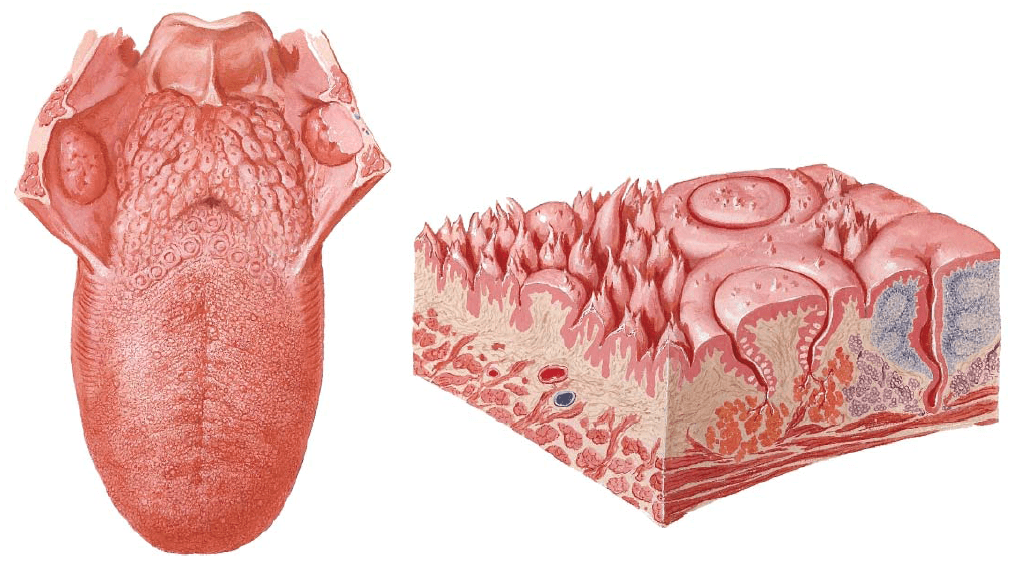
Small projections located on the tongue’s surface where taste buds are located are known as:
papillae
gustatory cells
olfactory epithelium
mucous producing glands

What is the function of the auditory canal?
to block sound waves that could be harmful
to direct sound waves to the eardrum
to detect sensations of movements
to equalize air pressure between the outer and middle ear

Which structure of the ear is pointed by #1?
ear drum
auricle (pinna)
cochlea
semi circular canals
ossicles
Which structure of the ear is pointed by #3?
ear drum
auricle (pinna)
vestible
semi circular canals
ossicles
Which structure of the ear is pointed by #2?
ear drum
auricle (pinna)
auditory canal
semi circular canals
ossicles

Which part is #2?
iris
cornea
retina
lens
pupil

Which part is #1?
sclera
cornea
retina
lens
choroid

Which part is #3?
pupil
iris
cornea
lens
vitreous humor

What does the optic nerve do?
It transmits nerve impulses from the retina to the cerebrum.
It helps the eye focus to make a clear image.
It receives light and sends it to the brain.
It transmits light rays to the retina.
It transmits nerve impulses from the retina to the cerebellum.

This layer contains photoreceptors that react to light by producing nerve impulses.
Cornea
Lens
Retina
Pupil
Iris

What is the function of the sclera?
It protects the eye and gives it its shape.
It helps the eye to focus and make a clear image.
It controls the amount of light that enters the eye,
It transmits light rays to the retina.
It transforms light into nerve impulses that are sent to the brain.

Type of photoreceptor that is active in bright light and perceives color?
fovea
cones
rods
optic nerve

Which part is #4?
choroid
iris
sclera
lens
retina

Which part is #8?
blind spot
optic nerve
cornea
lens
fovea

