
 Worksheets
Fresh and Saltwater Week Review
Total questions: 38
Worksheet time: 38mins
What makes up most of the water on Earth?
Salt water
Fresh water
Where is most of Earth’s freshwater located?
glaciers
lakes
oceans
rivers

unsorted rock material deposited directly by ice as it melts
glacial drift
stratified drift
till
glacier

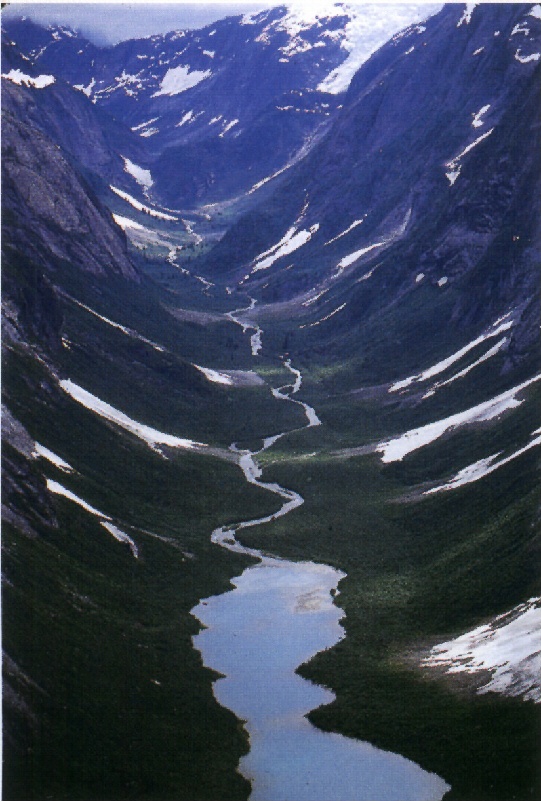
What are sharp pyramid shaped peaks formed by alpine glaciers called?
U-shaped valleys
cirques
aretes
horns

What are jagged ridges that form on mountains called?
U-shaped valleys
cirques
aretes
horns

_____ is one of the three types of glaciers.
Valley
Mountain
Plain
Ocean


The movement of deep, cold, nutrient filled water to the surface of the ocean for marine life is..
Ocean Current
Upwelling
Deep Currents
Surface Currents
What affects the density of water?
Salt
Temperature
The seasons of the year
Both A and B
Why is upwelling important?
Upwelling regulates ocean temperature
Upwelling provides nutrient rich water that sustains life
Upwelling controls the tides
Upwelling helps sailors to navigate the seas

Deep Currents
Convection Currents
Surface Currents
Wave Currents


What causes surface currents north and south of the equator to move in different directions aside from straight?
Gases in the ocean
The rotation of the Earth
Temperature differences
Continental deflection
Salinity is
The salt content of a substance
The Pepper content of a substance
The circulation of hot and cold matter
the weather pattern of a region
What heats the Earth's oceans?
People
Boats
a heater
sun
What would salt in water transported in the ocean be classified as?
Bedload
Suspended Load
Dissolved Load
Potable
Clay and silt can be SEEN being moved in rivers. What would this be classified as?
Dissolved load
Suspended load
Bedload
Bedrock

