
 Worksheets
Review for Adaptation Test
Total questions: 43
Worksheet time: 22mins

Birds have different beaks to help them survive in their habitat, which is a type of ___________ adaptation.
behavioral
physical
learned
migration

Squirrels gather and store acorns for the winter, which is a ___________ adaptation.
behavioral
structural
physical
environmental

Camouflage and mimicry are examples of ___________ adaptations.
behavioral
special
physical
predatory

Hibernation, migration, and dormancy or all examples of ___________ adaptations.
behavioral
physical
special
environmental

___________ is when animals go into a deep sleep causing their bodies to slow down.
Mimicry
Migration
Dormancy
Hibernation

___________ is a term used to describe animals that blend into their habitats.
Mimicry
Camouflage
Adaptations
Instincts

An opossum playing dead when it's in danger is an example of a ___________ adaptation.
learned
physical
behavioral
tricky

Animals that stay warm in cold habitats with thick fur body coverings is an example of a ___________ adaptation.
behavioral
environmental
learned
physical

Adaptations help animals ___________.
survive
get food
protect themselves
all of the above

Some animals use certain body parts to ___________ themselves or their babies.
defend
scare
adapt
raise

___________ is when some animals travel long distances from one place to another, usually during seasonal changes.
Hibernation
Migration
Dormancy
Mimicry


________________ are consumers that eat ONLY PLANTS.
Herbivores
Carnivores
Omnivores
Producers

__________________ are consumers that eat ONLY MEAT (other animals)?
Omnivores
Carnivores
Producers
Herbivores

__________________ are consumers that eat BOTH Plants and Animals for food.
Omnivores
Producers
Herbivores
Carnivores

Which consumer group only has sharp teeth?
Herbivores
Carnivores
Omnivores

Which consumer group only has flat, boxed teeth?
Herbivores
Carnivores
Omnivores

Which consumer group has both flat, boxed teeth and sharp teeth?
Omnivores
Carnivores
Herbivores

Black bears are ____________________.
herbivores
carnivores
omnivores

Deer are ______________________.
herbivores
carnivores
omnivores

Coyotes are __________________.
herbivores
omnivores
carnivores

Raccoons are ________________.
herbivores
carnivores
omnivores

Chipmunks are ___________________.
herbivores
carnivores
omnivores

Hawks are __________________________.
herbivores
carnivores
omnivores


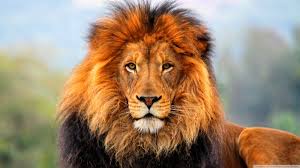


How do adaptations help animals?
To escape animals
to hunt for food
to survive in their habitats
All of these are correct

Traveling done by an animal to find food and water.
Adaption: birds flying south for the winter
Camouflage
Migration
Hibernation
Locomotion

The raccoon has hands and feet. Why would the raccoon need this adaptation?
to fight
to help them find and pick up food
to hang from trees
to dig a tunnel

An example of a structual adaptation is...
a turtle hiding inside its shell
The spikes on a porcupine fish
a rabbit burrowing underground
a viper biting when threatened


Plants grow towards sunlight to help them acquire as much sunlight as possible.
behavioral
structural

Bees dance to tell each other where to find food.
Structural/Physical Adaptation
Behavioral Adaptation

Gills on a fish
structural
physiological
behavioral

When threatened, some animals make warning sounds to help other animals escape a predator.
Behavioral Adaptation
Structural Adaptation

