wayground logo

Free Printable Worksheets

Font size

S
M
L
XL
Worksheets

Physical vs. Chemical Changes

Total questions: 65

Worksheet time: 2hrs 54mins
Name
Class
Date
1.
Which of the following is a sign that a chemical reaction has occurred?
a)
change in shape
b)
melting
c)
formation of a gas
d)
dissolving
2.
Is melting butter for popcorn a chemical or physical change?
a)
chemical
b)
physical
3.
A solid piece of chocolate is melted and changed to liquid form. Which property of the piece of chocolate will remain the same?
a)
Texture
b)
Temperature
c)
Shape
d)
 Mass
4.
Which of the following is NOT an example of a physical change?
a)
crumpled paper
b)
pencil sharpening
c)
shrunken clothing
d)
rust
5.
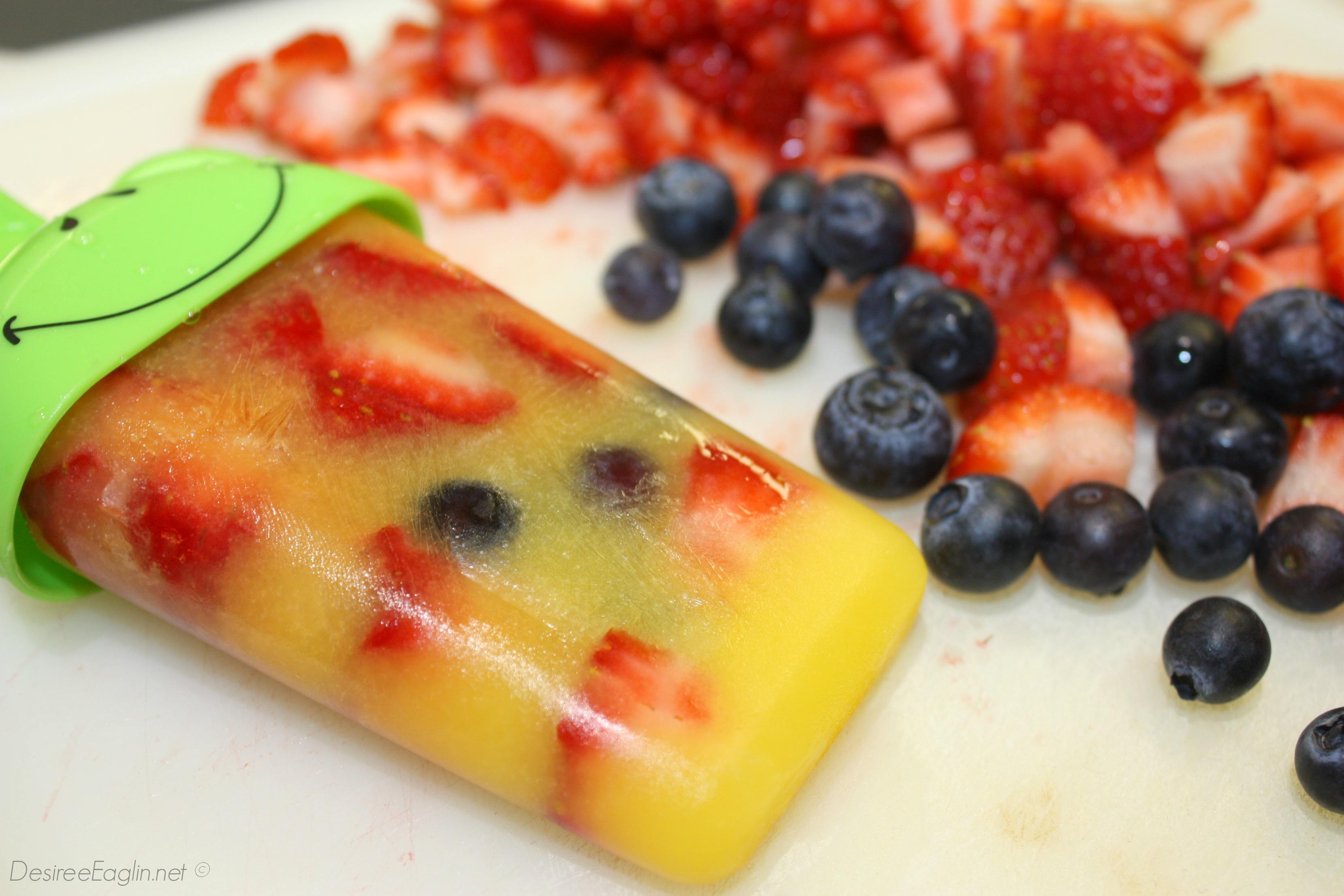
Freezing Juice?
a)
Physical Change
b)
Chemical Change
6.
A change where one or more new substances are created.
a)
Physical Change 
b)
Chemical Change 
7.
Change in color is a physical change.
a)
True
b)
False
8.
Change in density is a physical change.
a)
True
b)
False
9.
Fizzing, foaming, and burning are all examples of
a)
Chemical change
b)
Physical change
10.
Fizzing, foaming, and burning are all examples of
a)
Chemical change
b)
Physical change
11.
Rust on an iron bar is an example of chemical change.
a)
True 
b)
False
12.
What kind of properties can only be observed when a substance changes into a different substance?
a)
physical properties
b)
chemical properties
13.
When you break a cracker into pieces it is a...
a)
Chemical change
b)
Physical change
14.
A mixture is the result of a physical change because...
a)
The parts can be separated
b)
A new substance is made
c)
There is a chemical reaction
d)
One part of the mixture disappears
15.
Which of these is a result of a chemical change?
a)
A mixture
b)
A solution
c)
A new substance
d)
Melting or freezing
16.
Which of these is a result of a chemical change?
a)
A mixture
b)
A solution
c)
A new substance
d)
Melting or freezing
17.
Which of these is a result of a physical change?
a)
A new odor
b)
A new gas
c)
A new chemical substance
d)
A solution
18.
Is hammering wood together to build a house a chemical or physical change?
a)
chemical
b)
physical
19.
Is glass breaking a chemical or phyiscal change?
a)
chemical
b)
physical
20.
Is a a rusting bicycle a chemical or physical change?
a)
chemcial
b)
physical
21.
Is water melting a physical or chemical change?
a)
Physical
b)
Chemical
22.
Is salt dissolving in water a physical or chemical change?
a)
Physical
b)
Chemical
23.
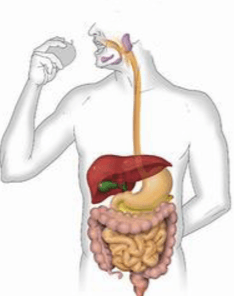
Is digesting your food a physical or chemical change?
a)
Physical
b)
Chemical
24.
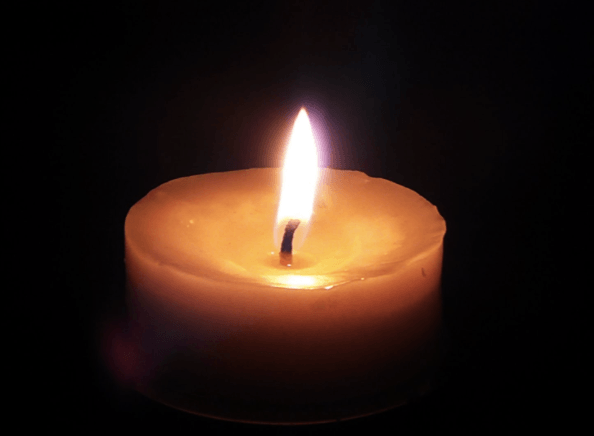
Is a burning candle a physical or chemical change?
a)
Physical
b)
Chemical
25.
Is a burning candle a physical or chemical change?
a)
Physical
b)
Chemical
26.
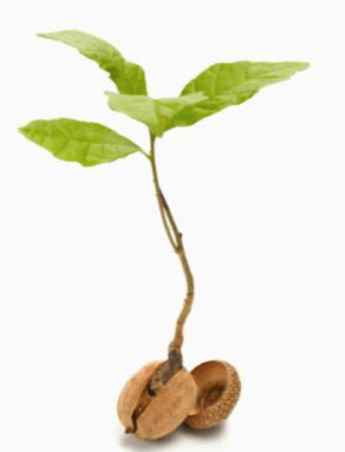
Is a tree sprouting a physical or chemical change?
a)
Physical
b)
Chemical
27.
Is melting iron a physical or chemical change?
a)
Physical
b)
Chemical
28.
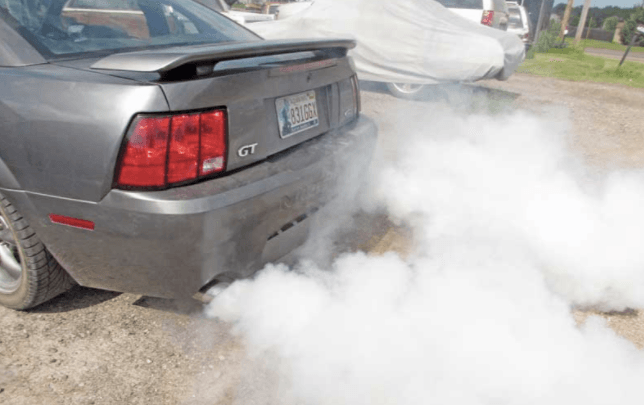
Is a car using fuel a physical or chemical change?
a)
Physical
b)
Chemical
29.
In a ___________change, a substance changes into a different substance.
a)
Physical
b)
Chemical
30.
Which of these is NOT a sign that a chemical change has occurred? 
a)
A loss of transparency 
b)
An unexpected color change
c)
A temperature change
d)
The formation of a precipitate
31.
a copper penny turning greenish after a few years.
a)
Chemical Change
b)
Physical Change
32.
An gel ice pack getting cold after you put it in the freezer for an hour.
a)
Chemical Change
b)
Physical Change
33.
Which of the following IS a physical change?
a)
Getting a haircut
b)
Rusty metal
c)
sour milk
d)
A compound
34.

You know that a chemical reaction has occurred if

a)

there is a precipitate (new solid)

b)

there is a color change.

c)

there is a temperature change.

d)

All of these answers are evidence.

35.
When a candle melts, it is a ___________________  change.
a)
chemical
b)
physical
c)
transparent
d)
undefined
36.

1. How is a chemical change different from a physical change?

a)

there is no difference

b)

a physical change creates a new substance

c)

a chemical change creates a new substance

37.

1. How is a chemical change different from a physical change?

a)

there is no difference

b)

a physical change creates a new substance

c)

a chemical change creates a new substance

38.

A chemical change is different than a physical change because in a chemical change

a)

chemicals are used

b)

molecules do not physically touch

c)

a new substance is formed and in a physical no new substance is formed

d)

the change can be seen but in a physical change it cannot

39.

Which of the following 2 are chemical reactions?

a)

sugar dissolving in water

b)

water turning into steam

c)

burning wood

d)

mixing baking soda and vinegar

e)

tearing paper

40.

Which of the following is a common sign that a chemical change has occurred?

a)

A chemical has turned a different color, bubbled, and/or changed temperature.

b)

A chemical has changed to a different state of matter, such as a liquid to a solid.

c)

A chemical has changed size.

d)

A chemical has become a different shape.
41.
Which of the following represents a chemical change?
a)
cutting a piece of paper with scissors
b)
cooling a mixture of air and kerosene vapor to obtain liquid kerosene
c)
burning a piece of notebook paper in the presence of oxygen
d)
heating water over a flame to its boiling point
42.
Which of the following is an example of a physical change?
a)
souring milk
b)
mixing baking soda and vinegar
c)
rusting metal
d)
mixing oil and vinegar
43.
Which is an example of a physical change?
a)
sodium and chlorine form salt
b)
a copper ring turns white and green
c)
a log burns in a fire
d)
using sand and water to build a sand castle on a beach
44.
Which of the following is an example of a physical change?
a)
wood burning
b)
ice melting
c)
food digesting
d)
iron rusting
45.
Which of the following is NOT a sign of a chemical reaction? 
a)
Color changes
b)
Cutting into fourths
c)
Light is produced
d)
Gas is formed
46.
Coal contains carbon and other elements. Carbon dioxide forms when coal burns in the presence of oxygen. Which of these is the best evidence that a chemical reaction occurs when coal burns?
a)
The shape of the coal changes
b)
Oxygen is present
c)
A new substance is produced
d)
Coal is made up of more than one element
47.
What are Chemical Reactions?
a)
It's when you mix substances.
b)
a process in which atoms rearrange to form new substances
c)
When something bubbles.
d)
letter and numbers showing the types and number of atoms
48.
Which of the following is NOT evidence that that a chemical reaction has occurred?
a)
produces light/heat
b)
production of a gas
c)
formation of a precipitate
d)
melting
49.
A different chemical substance is formed when _____.
a)
water boils
b)
metal rusts
c)
ice melts
d)
rock is crushed
50.
Which of the following describes a precipitate?
a)
a liquid forms when a block of metal is heated
b)
a solid forms when one liquid is poured into another
c)
a gas forms when a solid is placed in a liquid
d)
bubbles form when an acid is poured on a rock
51.
A teacher is demonstrating physical and chemical changes to her class. Which action should she use to demonstrate a chemical change?
a)
cutting a piece of paper
b)
folding a piece of paper
c)
tearing a piece of paper
d)
burning a piece of paper
52.

Which of the following is a characteristic of all chemical changes?

a)

A different state of matter is produced.

b)

Some mass is converted to energy.

c)

Some form of light is given off.

d)

A new material is formed.

53.

We know these are different substances because they have different:

a)

Sizes

b)

Properties

c)

Atoms

d)

Tastes

54.

Moo like a cow for 2 seconds.

a)

Did it!

b)

No Way!

55.
Which of the following is a sign that a chemical reaction has occurred?
a)
change in shape
b)
melting
c)
formation of a gas
d)
dissolving
56.
Is burning wood a chemical or physical change?
a)
chemical
b)
physical
57.
A change in the size, shape, or state of matter.
a)
chemical change
b)
physical change
c)
chemical reaction
d)
electron change
58.
Four students performed four different investigations by combining different substances. Their results are shown in the table provided. In which experiment are new substances being formed?
a)
Experiment 1
b)
Experiment 2
c)
Experiment 3
d)
Experiment 4
59.
A clear liquid from a flask is poured into another clear liquid in a beaker. Which of the following results of this procedure would indicate a new substance was formed?
a)
The level of the substance in the beaker is higher after the other liquid is added.
b)
A yellow solid forms and then settles to the bottom of the beaker.
c)
Small white crystals are left behind in the flask that held the first liquid.
60.
Which of the following is an example that includes evidence of a chemical reaction?
a)
A sample of zinc is placed in water and it settles to the bottom
b)
A solid block of ice is heated and it completely melts into a liquid. 
c)
Sugar that is burned gives off an odor and turns brown and then black.
d)
A tomato is placed into a blender and chopped up into smaller pieces.
61.
Evidence of a chemical reactions is anything that shows - 
a)
a new substance has formed
b)
a solid dissolved in a liquid
c)
interaction between 2 gases
d)
a change in the state of matter
62.
If you break a piece of glass, the shape of the glass changes, but the properties in the fragments remain the same. Which of the following has occurred?
a)
A chemical change.
b)
A temperature change.
c)
A phase change.
d)
A physical change.
63.
A student observes some sugar as it is heated and burns. The student concludes that a chemical reaction has occurred. Which of the following observations about the burning sugar provides evidence of a chemical reaction?
a)
Heat is added to the sugar crystals.
b)
The sugar melts and becomes a liquid.
c)
Gas is produced as the sugar turns black.
d)
No evidence of chemical reaction is present.
64.
Is ice freezing a physical or chemical change?
a)
physical
b)
chemical
65.
Why is ice freezing ONLY a physical change? 
a)
The ice is colder than water. 
b)
It can stay cold when you put it in the freezer. 
c)
The molecules of water do NOT change. They only slow down and vibrate in position. 
d)
Its physical appearance does NOT change.