
NEW
Font size
 Worksheets
Plant Test
Total questions: 50
Worksheet time: 57mins
Plants are classified into two major groups based on their ______________________.
color
internal structures
shape
food
________________ have a well-developed system for transporting water and food; therefore, they have true roots, stems, and leaves.
Vascular Plants
Animals
Green Plants
Nonvascular plants
_________transport water and minerals from the roots to the rest of the plant.
Phloem
Pat root
Xylem
Tap root
__________ transports food from the leaves to the rest of the plant.
Xylem
Boat
Pistil
Phloem
_________________must obtain nutrients directly from the environment and distribute it from cell to cell throughout the plant. As a result, these plants are small in size and grow close to the ground.
Nonvascular plants
Animals
Water
Vascular Plants
The process by which plants make sugar is called ________________
walking
running
photosynthesis
survival
To obtain the energy from the food it produces, plants must break down the sugar in the cells throughout the plant in a cellular process called _______________.
water
growing
roots
respiration
Plants lose water through the leaves. This process is called _______________.
transpiration
sweating
breathing
Structures for defense protect plants from threats that could potentially kill the plant. The ability to close its leaves when touched is called _______________.
geotropism
stingers
thigmotropism
growth
Plants have structures that allow them to survive in their habitats when the conditions are not suitable. Examples of parts of flowering plants that function for survival may be:
stems
leaves
roots
all of the choices
Parts of the flowering plant that function in reproduction include:
flowers
stamen
pistil
seed
all of the choices
Changes in environmental factors such as ______________________________ affect the growth and development of a flowering plant.
air, water
all of the choices
light, space
minerals
What is it called when a plant or animal has a trait that helps it survive in a specific environment?
instinct
mimicry
camouflage
adaptation
What is one reason that some plants have a strong scent?
to shed extra water off the plant
to take in nutrients from the soil
to attract animals to spread its pollen
to conserve water during dry periods

What is one possible reason for seeds to have hooks or barbs?
to stay warm during the winter
to protect themselves from sunlight
to get attached to passing animals and get carried away
to stick to animals and steal nutrients from them

Water lilies live in lakes and ponds. The lilies have very long stems. The picture above shows a water lily in a pond. How do long stems help water lilies live in ponds?
They absorb food for the plant.
They absorb water from the pond.
They enable the pads and flower to reach sunlight.
They help the plants float away.

All seeds have
Seed Coat
Food Storage
Embryo
All of the above

Substances that living things need to grow?
Plants
Soil
Nutrients
Which acts like the plant's plumbing system? It will help move water and nutrients from the roots and move food in the form of glucose from the leaves to other plant parts.
Roots
Stems
Leaves

The green pigment, or color, found in plants that helps the plant make food is called?
Photosynthesis
Chlorophyll
Pollination
A(n) ____________ is any part or characteristic that helps a species survive or reproduce.
leaf
adaptation
flower

All plants...
make seeds
have roots
need soil
make food through photosynthesis
What do plants need for photosynthesis?
Water
Soil
Flowers
Carbon monoxide

A fern folds when touched, what type of tropism would this be?
Hypothyroidism
Phototropism
Thigmotropism
Geotropism
A plant's root grows in a downward direction in response to what force?
sunlight
gravity
soil

What is a tropism?
A stimulus that affects plants.
The way a plant responds to a stimulus.
The way a plant grows.
The way a plant dies.
If a plant experiences gravitropism, then it will do what?
Grow toward or away from light.
Grow away from light.
Grow toward light.
Grow in response to gravity.
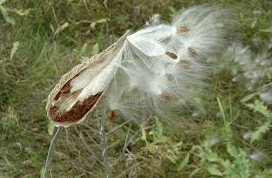
What is seed dispersal?
plant reproduction
ability of plants to make food
moving seeds to a new location
adaptation of plants to produce more seeds


Small leaf-like structures forming the base of a flower.
petals
sepal
stigma
pistil

Fertilization is the process by which an _____________.
egg and pollen combine
embryo grows into a plant
animal carries pollen between plants

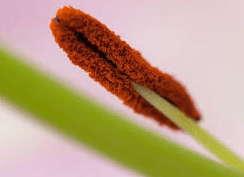
What is the name of flower part #10 ?
sepal
pollen tube
filament
stigma
Which defense structure would best discourage animals from eating or landing on a plant?
Fruits
Pistil
Thorns
Stamen
Poison is a plant defense that _____________.
attracts pollinators to the plant
makes animals sick or itchy
pollinates the plant
helps with photosynthesis
What is an example of a plant defense?
spikes and thorns
poisonous fruits and bitter taste
waxy oils and sap
All of the above
A period of a plant when is does NOT grow is called ____________.
spore
stamen
nutrient
dormancy

This picture shows a Structural Adaptation for _________________.
Defense
Survival
Reproduction

This picture shows a Structural Adaptation for _________________.
Defense
Survival
Reproduction

This picture shows a Structural Adaptation for _________________.
Defense
Survival
Reproduction

