
Font size
 Worksheets
The Big Organic Revision Quiz
Total questions: 71
Worksheet time: 37mins
name the group that has a single bond
alkenes
alcohols
alkanes
ethers
the name of this compaund C4H10
METHANE
HEXENE
BUTANOIC ACID
BUTANE
Ethene and propene are alkene in the same homologous series. Complete the following sentence about a homologous series using words from the list below.
A homologous series is a family of similar ……….. with similar….. properties due to the same ….. group.
LIST
alcohols
functional
chemical
mixtures
compounds
physical
elements
The right words to complete the sentence respectively are ….
alcohols, chemicals, compounds
functional, chemical, mixtures
compounds, chemical, functional
mixtures, chemical, compound
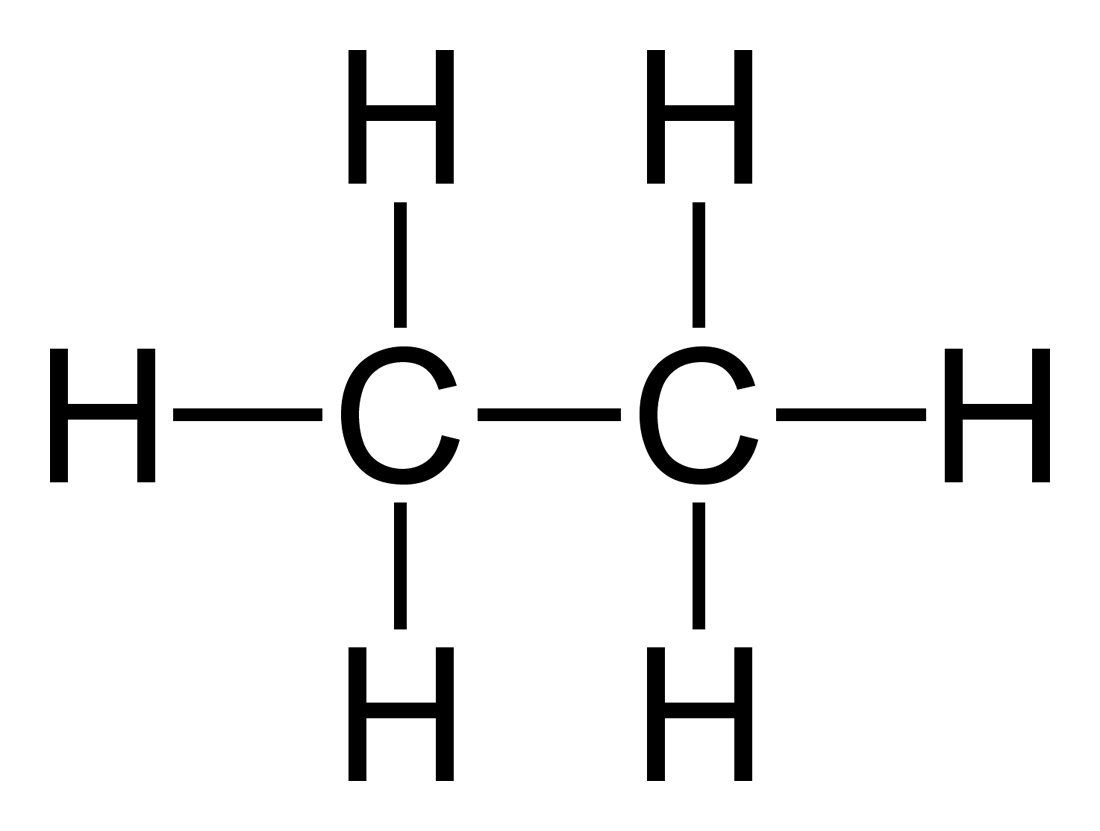
The molecular formula below which shown the alkanes compound is ….
C2H4
C3H7
C4H10
C5H8
In which of the following reactions is oxygen use up?
Addition
Elimination
Combustion
Substitution

The compound which are the members of homologous series are ….
F & G
G & I
I & J
H & K

The structure of some hydrocarbon are shown above. The hydrocarbon that classified into saturated compound are ....
F, G, H
F, G, I
G, I, K
F & G
Which of the following is unsaturated hydrocarbon ?
propane
propene
propanol
propanoic acid
What are the products formed when organic compounds burn completely ?
carbon and oxygen
carbon dioxide and water
carbon, carbon monoxide and water
carbon, carbon dioxide and water

Which of the following is the monomer for this polymer ?
ethene
ethane
propane
propene
Which of the following shows the structure of ethene?


Methane reacts with chlorine in substitution reaction. Which of these is an essential condition?
An acid catalyst
A low temperature
UV light
A low pressure
Which of the following statements concerning the reaction of methane with bromine is/are correct?
(1) It is an addition reaction.
(2) It is a substitution reaction.
(3) A similar reaction will occur if propane is used instead of methane.
(1) only
(2) only
(1) and (3) only
(2) and (3) only
A homologous series is a family of organic compounds with
similar chemical properties and same general formula
similar chemical properties and different general formula
different chemical properties and same general formula
similar physical properties and same general formula
Which of the following can be used to distinguish between alkanes and alkenes?
add a few drops of aqueous bromine
add a few drops of Universal indicator
add a piece of blue litmus paper
add a piece of red litmus paper
Which of the following statement is correct?
Alkenes can turn aqueous bromine from reddish-brown to colourless.
Alkenes can turn aqueous bromine from colourless to reddish-brown.
Alkanes can turn aqueous bromine from reddish-brown to colourless.
Alkanes can turn aqueous bromine from colourless to reddish-brown.
Which of the following statements about cracking is not true?
Cracking is the breakdown of large alkane molecules into small molecules.
Cracking is used to produce fuel for motor vehicles.
Cracking is used to produce H2 and alkenes.
Cracking takes place in the presence of sunlight.
What process is used to separate crude oil in hydrocarbons with different chain lengths?
distillation
fractional distillation
cracking
polymerisation
Where in the fractionating column are shorter chain hydrocarbon molecules obtained?
At the top
At the bottom
Fractional distillation separates crude oil based on the different __________ of the molecules in the mixture
melting point
boiling point
freezing point
chemical reactivity
Molecules collected at the bottom of the fractionating column tend to be...
more viscous, less flammable and less volatile
less viscous, more flammable and more volatile
more viscous, more flammable and less volatile
less viscous, less flammable and more volatile
Molecules collected at the top of the fractionating column tend to be...
more viscous, less flammable and less volatile
less viscous, more flammable and more volatile
more viscous, more flammable and less volatile
less viscous, less flammable and more volatile
What are the products of incomplete combustion?
carbon monoxide
water
carbon
hydrogen
What does a fuel react with when it burns?
oxygen
water
carbon dioxide
methane
What conditions are needed for cracking?
high temperature
high pressure
catalyst
low temperature
Used in gas stoves
kerosene
fuel oil
bitumen
refinery gas
What is the name of the alcohol with 4 carbons?
ethanol
butane
butanol
propanol

Name this alcohol
methanol
ethanol
propanol
butanol
Select two ways to make an alcohol
hydrogenation
hydration
fermentation
condensation

What is the name given to this reaction?
addition
combustion
hydration
condensation
When an alcohol burns completely the products are...
carbon
water
carbon dioxide
hydrogen

Name this compound...
methane
methene
methanol
methoxymethane
Esters are formed through what type of reaction?
hydrolysis
condensation
hydration
dehydration

Name this compound
propanol
propanoic acid
butanoic acid
butanol
A use for ester is...
fuel
additives in petrol
flavourings
hair dye
Which ester is an isomer of pentanoic acid
ethylbutanoate
propylbutanoate
methylpentanoate
ethylpropanoate
Name the ester produced from methanol and hexanoic acid
methylhexanoic
hexylmethanoate
methylhexanoate
hexanoatemethyl

Name this ester
Butyl ethanoate
butyl methanoate
ethyl ethanoate
ethyl butanoate
What is the functional group of alcohols?
–NH2
–COOH
–CHO
–OH
–NO2
alkene + ? --> alcohol
hydrogen
oxygen
water
carbon dioixde
Which microorganism can be used to produce ethanol in drinks?
MRSA
Yeast
E. Coli
Bacteria
Which process makes ethanol through anaerobic respiration of yeast?
Filtration
Intoxication
Fermentation
Distillation
If an alkene is reacted with steam and a catalyst, what is made?
An acid
An alkene
An alkane
An alcohol
CH3CH2CH2CH2OH is the formula of which alcohol?
Methanol
Ethanol
Propanol
Butanol
The products of the reaction of a carboxylic acid and an alcohol would be
Ketone and water
Amide and water
Acid chloride and water
Ester and water

Which type of polymerisation uses only one monomer?
addition polymerisation
condensation polymerisation
Which type of polymerisation uses two different monomers, both contain a functional group at each end?
addition polymerisation
condensation polymerisation

-COOH is the functional group for...
alcohols
esters
carboxylic acids
amides

-COO is the functional group for...
alcohols
esters
carboxylic acids
amides
An alcohol can be __________________ to form a carboxylic acid
oxidised
reduced
polymerised
broken down
Acidified potassium dichromate is an example of...
an alkali
a reducing agent
a fuel
an oxidising agent

Name this ester
ethyl ethanoate
propyl ethanoate
methyl ethanoate
ethyl methanoate
What catalyst is used in making esters?
sodium hydroxide
iron
sulfuric acid
lithium oxide

What is the name of the addition polymer?
poly(bromoethane)
poly(bromoethene)
poly(bromoethanol)

What is the name of the addition polymer?
poly(ethene)
poly(propene)
poly(butene)
Polymers are
acids
alcohols
plastics
Bases
Polymers are made of
Acids
Hydrogen
Carbons
Monomers
In condensation polymerisation the byproduct formed is
Oxygen
Carbondioxide
Water
Hydrogen
Which general structure is the best example of a section of a condensation polymer? Each letter represents a different monomer.
-A-A-A-A-A-A-
-A-B-A-B-A-B-A-B-
-B-B-B-B-B-B-
-A-B-C-A-B-C-A-B-C-

A section of a polyester is shown in the diagram. Which two molecules (monomers) could be reacted to form this polymer?
Dicarboxylic acid
Dialcohol
Diamine
Ester
Which two molecules (monomers) could be reacted to make a polyester?


What's the correct definition of these keywords?
polyester
A condensation polymer formed from a dicarboxylic acid and an alkene
An addition polymer formed from a dicarboxylic acid and a diol
A condensation polymer formed from a dicarboxylic acid and a diol

