
 Worksheets
The Biology
Total questions: 100
Worksheet time: 2hrs 9mins
Which statement about sexual reproduction is always correct?
It involves only one parent.
It involves the fusion of nuclei.
It produces genetically identical offspring.
It takes place only in animals.
Which result with the biuret test shows that protein is present?
blue
green
orange
purple
What is the word equation for photosynthesis?
carbon dioxide + glucose → oxygen + water
carbon dioxide + water → oxygen + glucose
oxygen + glucose → carbon dioxide + water
oxygen + water → carbon dioxide + glucose
Which process can be defined as the movement of small, water-soluble food molecules through the wall of the intestine into the blood?
absorption
assimilation
digestion
egestion
Plants make sugars from water and carbon dioxide. From where do they get the carbon dioxide?
rain soaking into the leaves
the air
the soil through the roots
they make it in photosynthesis
In an experiment, an enzyme from the human alimentary canal is found to work slowly at 20 °C. What is the optimum temperature for enzymes working in the human alimentary canal?
17 °C
27 °C
37 °C
77 °C
Vegetarians do not eat meat.
Which nutrient in meat do vegetarians need to get from other kinds of food?
fibre
protein
starch
vitamin C
Which process is defined as taking substances into the body through the mouth?
absorption
digestion
egestion
ingestion
Proteins that function as biological catalysts are called
enzymes
hormones
solvents
vitamins
Which statement about enzymes is correct?
All enzymes work best at pH 7.
All proteins are enzymes.
Enzymes are biological catalysts.
Low temperatures denature enzymes.
Which structure controls the passage of substances into and out of a cell?
cell membrane
cell wall
nucleus
vacuole
Which two chemical substances are required for photosynthesis?
carbon dioxide and glucose
glucose and oxygen
oxygen and water
water and carbon dioxide
A student observes an artery using a microscope. Which feature is present in an artery?
a wide lumen
valves
walls with a thick layer of muscle
wall only a single cell in thickness
What is the route for carbon dioxide passing out of the body?
alveoli → capillaries → bronchioles → bronchi → trachea → larynx
alveoli → capillaries → bronchi → bronchioles → larynx → trachea
capillaries → alveoli → bronchi → bronchioles → trachea → larynx
capillaries → alveoli → bronchi → bronchioles → trachea → larynx
The following are features of palisade mesophyll cells:
1 column shaped
2 have a nucleus
3 have large vacuoles
4 have many chloroplasts
Which features of these cells help them to absorb maximum light and carry out photosynthesis?
1, 2, 3 and 4
1 and 4 only
2 and 4 only
4 only
What is caused by an iron deficiency in the diet of a human?
bleeding gums
rickets
cannot form white blood cells
anaemia
In which order does food pass through parts of the alimentary canal?
oesophagus → colon → small intestine
small intestine → oesophagus → rectum
small intestine → rectum → anus
stomach → colon → small intestine
These four conditions may be a result of malnutrition.
1 constipation
2 coronary heart disease
3 obesity
4 starvation
Which conditions are a direct result of an imbalance between energy intake and energy output?
1 and 2
1 and 4
2 and 3
3 and 4
When we cut ourselves, blood comes out of the wound. Which constituent of blood is most important in the formation of a blood clot?
plasma
platelets
red blood cells
white blood cells
During pregnancy, the fetus is contained within the amniotic sac. The amniotic sac contains amniotic fluid. What is the function of the amniotic fluid?
It protects the fetus against knocks and bumps.
It provides the fetus with oxygen and nutrients.
It removes the fetal waste products.
It supplies the fetus with blood.
How do molecules move when they are involved in the process of diffusion?
They all move from a high to a low concentration
They all move from a low to a high concentration.
They all move randomly.
They show net movement against a concentration gradient.
When an apple is cut, the cut surface quickly turns brown. This is due to enzyme action. Which action destroys the enzyme?
brushing the cut surface with a strong sugar solution
cutting the apple into smaller pieces
dipping the cut apple in boiling water
dipping the cut apple in cold water
Where does implantation of the embryo normally occur?
Ovary
Fallopian tube
uterus wall
cervix
The statements explain the activity of a human enzyme as the temperature increases from 20 °C to 50 °C. The statements are in the wrong order.
1 The enzyme is working at its optimum rate.
2 The kinetic energy of the enzyme molecules begins to increase.
3 The enzyme begins to change shape.
4 The enzyme is completely denatured.
What is the correct order of the statements?
1 → 3 → 2 → 4
1 → 4 → 3 → 2
2 → 1 → 3 → 4
3 → 2 → 4 → 1
Why do leaves and stems have a waxy coating on them?
So animals don't eat them.
Helps to reduce water loss.
To make them look beautiful.

To which chamber of the heart does an oxygen-rich blood from the lung return?
left atrium
left ventricle
right atrium
right ventricle
Which statement is true about arteries?
Arteries carry oxygen-poor blood.
Arteries move blood toward the heart.
Arteries connect to the atria of the heart.
Arteries move blood away from the heart.
Which part of the blood helps fight disease?
plasma
platelets
red blood cells
white blood cells
Which statement is correct concerning the heart?
Left ventricle pumps blood to the lungs.
Right ventricle pumps blood to the lungs.
Left ventricle pumps to the body including the lungs.
Right ventricle pumps blood to the body excluding the lungs.
Which statement is not true about blood cells?
Blood is made in your heart
Red blood cells mature in about two days.
Red blood cells make up 48 percent of blood volume
People make about two million red blood cells every second.
Which system keeps the blood flowing in one direction through the heart?
switches
one-way valves
pumps
veins

What part of the heart is circled in yellow?
Left atrium
Right atrium
Left ventricle
Right ventricle
What do we call the tiny tubes that return blood back to the heart?
arteries
chambers
veins
ventricles
Your blood is made up of which of the following...
plasma, red blood cells, blue blood cells
white and red blood cells
plasma and platelets
plasma, red blood cells, white blood cells, and platelets
What part of blood is responsible for fighting infections?
Red Blood Cells
White Blood Cells
Platelets
Plasma
What part of blood is responsible for fighting infections?
Red Blood Cells
White Blood Cells
Platelets
Plasma

NUMBER 1 is
Lungs
Pharynx
Mouth
Alveoli

NUMBER 2 is
Pharynx
Bronchi
Alveoli
Lungs

NUMBER 6 is
Lungs
Trachea
Mouth
Alveoli
Which are the main organs in the respiratory system?
Heart
Stomach
Lungs
Nose
Which of these organs is not a part of the respiratory system?
Trachea
Lungs
Heart
Pharynx
The largest organ(s) in the respiratory system are _____.
Nasal Cavity
Lungs
Bronchi
Larynx

When you breathe, your lungs take in ___ and release ___.
oxygen/carbon dioxide
carbon dioxide/waste
waste/air
Within the lungs, the exchange of oxygen and carbon dioxide occurs between the ___ and the capillaries.
alveoli
trachea
bronchi
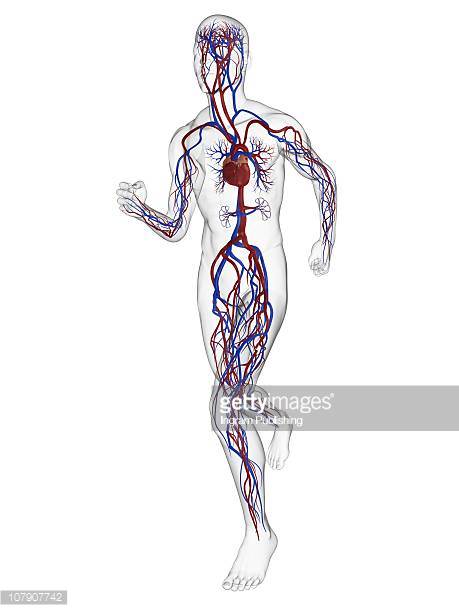
What is the main organ of the circulatory system?
small intestine
bone
lungs
heart
This type of reproduction involves two parents.
Asexual reproduction
Sexual reproduction

What is the scientific name for a sex cell?
Gromets
Embryo
Gamete
Stem cell

What is the name of the male gamete in humans?
Sperm
Ovum
Testis
Pollen

What is the name of the female gamete in humans?
Sperm
Zygote
Ovary
Ovum

In what type of sexual reproduction are the eggs or ova released into water?
Internal reproduction
External fertilisation
Internal fertilisation
External reproduction
Which animal undergoes external fertilisation?
Cat
Dog
Human
Frog

Where in the body does fertilisation occur in humans?
Epididymis
Uterus
Oviduct
Vagina

What type of fertilisation occurs in this mouse?
Internal fertilisation
Internal reproduction
External reproduction
External fertilisation

Which structure is part of BOTH the reproductive and urinary system?
A
B
C
D
E

What is the function of structure 11?
It controls the release of sperm
It produces hormones that regulate sperm production
It secretes fluid that mixes with sperm to make semen
It stores sperm before they are ejaculated

Which label indicates the ovary?
d
i
c
h
g

Which structure is the Fallopian tube?
1
4
2
5
Occurs on Days 1-5 of the Uterine Cycle
Menstrual Phase
Proliferative Phase
Secretory Phase
Luteal Phase
Follicular Phase
Occurs on Days 6-14 of the Uterine Cycle
Menstrual Phase
Proliferative Phase
Secretory Phase
Luteal Phase
Follicular Phase
Occurs on Days 15-28 of the Uterine Cycle
Menstrual Phase
Proliferative Phase
Secretory Phase
Luteal Phase
Follicular Phase


What does a fertilized egg attach to after it is fertilized?
vagina
cervix
uterus
fallopian tubes

During an acrosome reaction, the acrosome
Detaches, allowing the sperm to penetrate
Releases enzyme that digest the outer layer of the egg
Secretes calcium ions, which cause the sperm to fuse with the egg
Releases inhibin, cause the sperm to bind to the egg
What is NOT a function of the placenta?
nutrient exchange
gas exchange
fluid exchange
antibody exchange
What is the structure that acts as temporary organ to allow exchange of substances between mother and foetus.
umbilical cord
uterus
placenta
amniotic sac
What is the function of amniotic fluid?
acts as cushion to support and protect from mechanical shock
to connect the foetus and the placenta
to form a sac and enclosed the foetus
to allow exchange of substances between the foetus and the mother

On what day of the month does ovulation usually occur?
1
5
14
28

What word is used to describe when the embryo buries into the uterus lining?
fertilisation
implantation
menstruation
ovulation

Which of the following move from the foetal blood to the mother's blood?
urea
antibodies
oxygen
A drug that is inhaled into the lungs and alters the functions of the mind.
Stimulants
Depressants
Hallucinogens
Inhalants
Narcotics
The chemical that causes addiction is __________________.
arsenic
carbon monoxide
tar
nicotine
Which two statements are true of identical twins?
They can be both boys, both girls, or a boy and a girl
They can have different natural hair and eye colours
They must be both girls or both boys
They are made from one egg cell and one sperm cell
Which two of the following actions could be potentially harmful to an unborn baby?
Eating a healthy, balanced diet during pregnancy
Smoking during pregancy
Drinking excessive alcohol during pregnancy
Exercising carefully during pregnancy
What do we call the time from fertilisation until birth?
development period
gestation period
creation period
reproduction period
What is the name of the organ which joins the placenta to the foetus?
umbilical cord
naval cord
circulatory cord
nervous cord
During birth, which part of the female reproductive system has to widen to allow the baby to leave the uterus?
cervix
vagina
oviduct
ovary
Why does the embryo attach to the uterine lining?
So the sperm cells can not find it
So it can flow out of the body during the period
To keep itself cushioned while it grows
To get oxygen and nutrients from it

Alcohol is a stimulant which therefore speeds up the body's functions
Alcohol is a depressant. It slows body functions down.

In which period feotus will formed completely?
week 1-4
week 10-19
week 20-37
week 38-40
How are identical twins formed?
two eggs are fertilized
Identical twins can't happen
one egg splits into two

