
 Worksheets
Human Body
Total questions: 35
Worksheet time: 19mins
The diaphragm links the respiratory to the muscular system because...
it is made of skeletal muscle tissue that helps you breath.
it is made of smooth muscle tissue that helps you breath.
it is made of cardiac muscle tissue that helps you breath.
The digestive and respiratory systems pair together to ...
bring carbon dioxide and wastes to cells for diffusion.
bring oxygen and wastes to cells for diffusion.
bring oxygen and nutrients to cells for cellular respiration.
bring carbon dioxide and nutrients to cells for cellular respiration.
The digestive and respiratory rely on the ___ systems to transport needed materials to the cells.
circlatory and excretory
circulatory and muscular
nervous and digestive
nervous and skeletal
How do the skeletal and circulatory systems relate to each other?
Bone marrow produces blood.
The heart is made of cardiac muscle tissue.
The heart is held in place in the chest by ligaments.
The blood brings carbon dioxide and glucose to the cells of the bones.
All organ systems have this at its most basic unit.
Cells
Neurons
Tissues
Organs

What is the function of this system?
The protection of vital organs from injury
The production of hormones that regulate growth and metabolism.
The chemical breakdown of food into smaller pieces
The transport of nutrients, water, and oxygen to body cells.

What is the function of this system?
The protection of vital organs from injury
The production of hormones that regulate growth and metabolism.
The chemical breakdown of food into smaller pieces
The transport of nutrients, water, and oxygen to body cells.

What is the function of this system?
The protection of vital organs from injury
The production of hormones that regulate growth and metabolism.
The chemical breakdown of food into smaller pieces
The transport of nutrients, water, and oxygen to body cells.

What is the function of this system?
The protection of vital organs from injury
The production of hormones that regulate growth and metabolism.
The chemical breakdown of food into smaller pieces
The transport of nutrients, water, and oxygen to body cells.

What is the function of this system?
Control body processes
Transport nutrients
Remove waste
Produce hormones

What is the function of this system?
Control body processes
Transport nutrients
Remove waste
Produce hormones

What is the function of this system?
Control body processes
Transport nutrients
Remove waste
Produce hormones

What is the function of this system?
exchange gases with the air
breakdown molecules and absorb nutrients.
Provide support and movement for the body
Produce and secretes hormones which regulate metabolism, growth, and development.

What is the function of this system?
exchange gases with the air
breakdown molecules and absorb nutrients.
Provide support and movement for the body
Produce and secretes hormones which regulate metabolism, growth, and development.

This is a diagram of what system?


Which long bone do you see in the figure?
humerus
femur
collarbone
rib
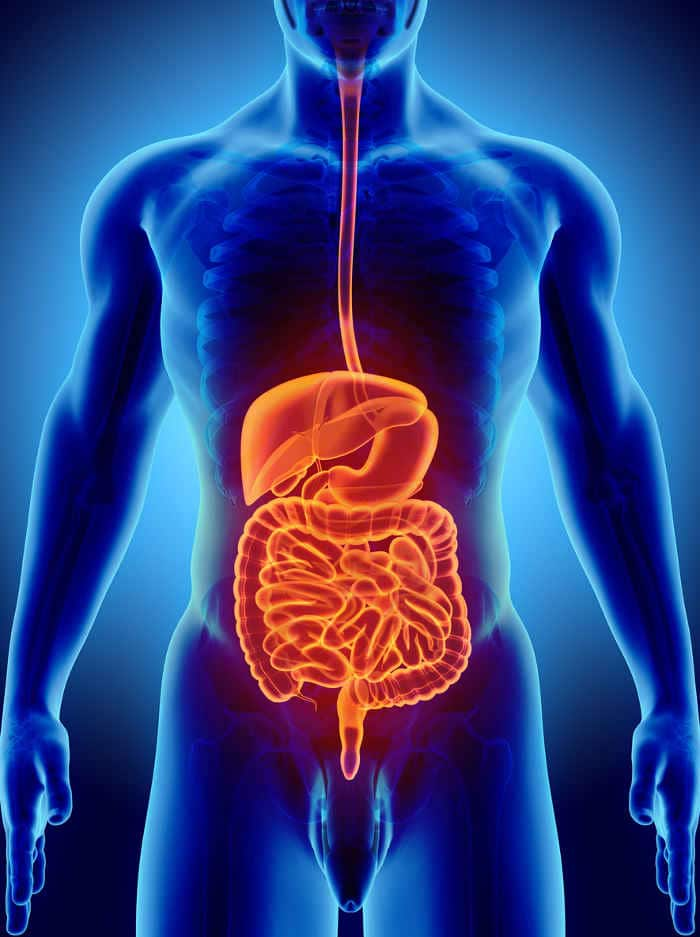
Which human system do you see in the image?
digestive system
respiratory system
circulatory system
nervous system


How many bones make up the skeletal system?
270
206
20
What is the function of the cardiovascular / circulatory system?
To provide nutrients to the whole body
To maintain homeostasis for the body
To fight off infection or disease
To transport nutrients, oxygen, and blood throughout the body

What body system is shown in the picture?
Muscular System
Skeletal System
Nervous System
Respiratory System

