
 Worksheets
Photosynthesis and Cellular Respiration
Total questions: 38
Worksheet time: 2hrs 54mins
What is a cell?
A green chemical in plant cells that allows plants to use the Sun's energy to make food.
The smallest unit of living matter.
The food-making process in green plants.
The tissue through which water and minerals move up in a plant.
What is cellular respiration?
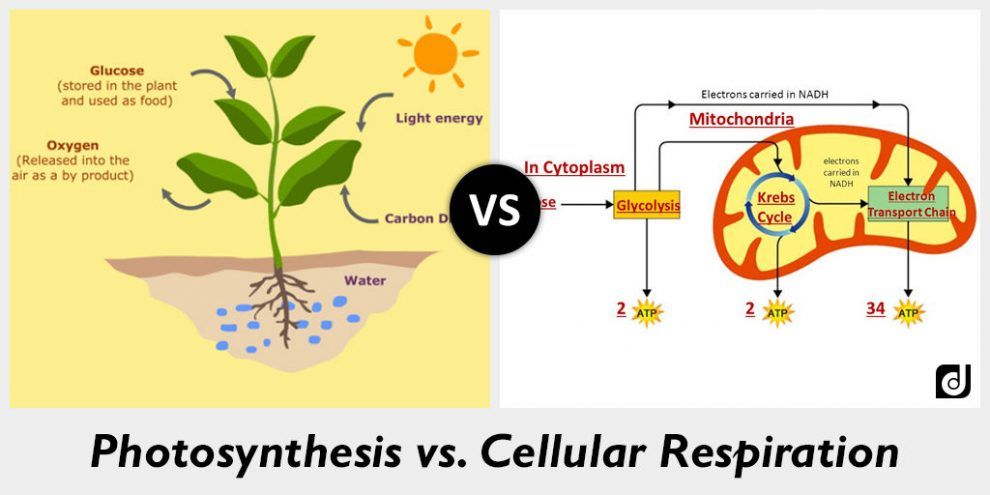
the breakdown of glucose to release ATP
the breakdown of glucose to release carbon
Which statement about photosynthesis is correct?
Plants get the energy they need for photosynthesis from water.
Plants get the energy they need for photosynthesis from soil.
Plants get the energy they need for photosynthesis from sunlight.
Plants do not require energy to perform photosynthesis.

The equation in the image represents the process of....
photosynthesis
cellular respiration

The equation in this image represents....
photosynthesis
cellular respiration
Select all that are inputs or reactants for photosynthesis.
Water
Carbon Dioxide
Oxygen
Sunlight (Light Energy)
Glucose (Sugar/food)
Select all that are products of photosynthesis.
Water
Carbon Dioxide
Oxygen
Sunlight (Light Energy)
Glucose (Sugar/food)
Select all that are products of cellular respiration.
Water
Carbon Dioxide
Oxygen
ATP (Cellular Energy)
Glucose (Sugar/food)
Select all that are inputs/reactants for cellular respiration.
Water
Carbon Dioxide
Oxygen
Sunlight (Light Energy)
Glucose (Sugar/food)

Animals can...
Only use photosynthesis
Only use cellular respiration
Use photosynthesis and cellular respiration
What do plants need to perform photosynthesis?
Love
Soil with a high nitrogen (N) content
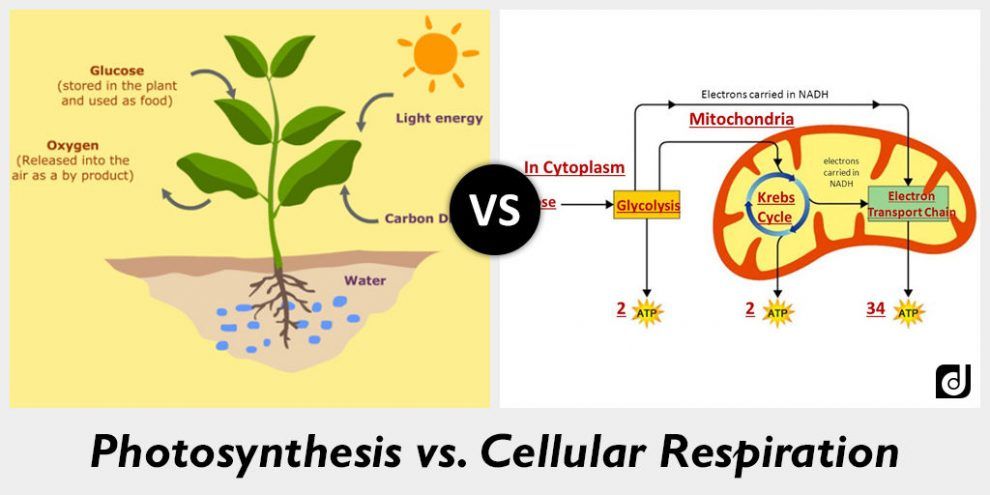
Water (H2O) + Carbon Dioxide (CO2) and Sunlight Energy
Pollinators such as bees and hummingbirds
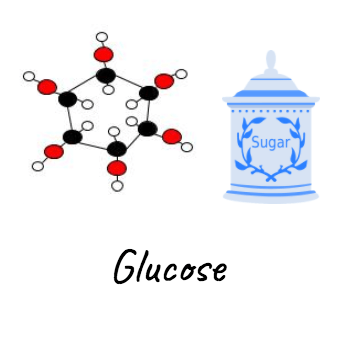
What does C6H12O6 tell you about the glucose molecule?
That it has 6 carbon (C) atoms, 12 hydrogen (H) atoms, and 6 oxygen (O) atoms
That it has too many atoms for us to count, so we just assign random numbers to show that its really big
That it is smaller than a water (H2O) atom
That it has 12 carbon (C) atoms, 12 hydrogen (H) atoms, and 12 oxygen (O) atoms
What is created as a result of Photosynthesis
ATP Energy
Water (H2O) and Carbon Dioxide (CO2)
Proteins and lipids
Glucose (C6H12O6) + Oxygen (O2)
In which cell organelle does PHOTOSYNTHESIS take place?
The chloroplast
The mitochondria
The cytoplasm
The golgi apparatus
What process must cells undergo to convert the energy stored in glucose (C6H12O6) into useable cell energy (ATP)?
Photosynthesis
Cellular respiration
Ketosis
The macarena
What do cells need to perform the process of cellular respiration?
Sunlight, water (H2O) + carbon dioxide (CO2)
Proteins, lipids, carbohydrates, and nucleic acids
Lactose (C12H22O11) + soil
Glucose (C6H12O6) + Oxygen (O2)
What is created as a result of cellular respiration?
Glucose (C6H12O6) + Carbon dioxide (CO2)
Water (H2O) + Carbon dioxide (CO2) + ATP Energy
Proteins and lipids
Chloroplasts
Where in the cell does cellular respiration take place?
The chloroplasts
The golgi apparatus
The mitochondria
The cell wall
What is the name of the green pigment found in producers that captures sunlight for photosynthesis and gives plants their green color.
chloroplasts
chlorophyll
clorox
mitochondria
During photosynthesis, light energy is converted to _______.
chemical energy
food
oxygen
carbon dioxide
A simple sugar that is a product of photosynthesis is....
starch
corn
glucose
molecule
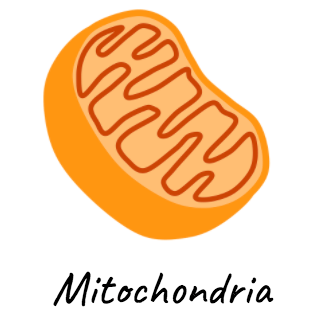
The main job of the mitochondria is to .....
carry out photosynthesis
create carbon dioxide
carry out cellular respiration
create oxygen

