
 Worksheets
circulatory system and blood
Total questions: 65
Worksheet time: 2hrs 1mins
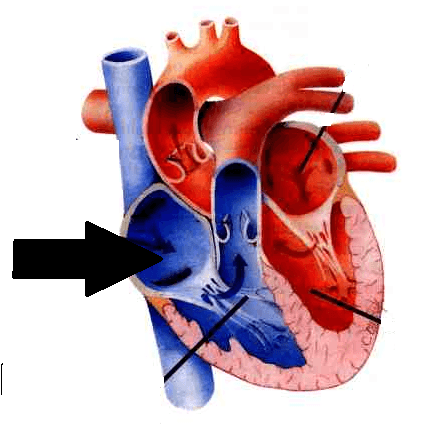
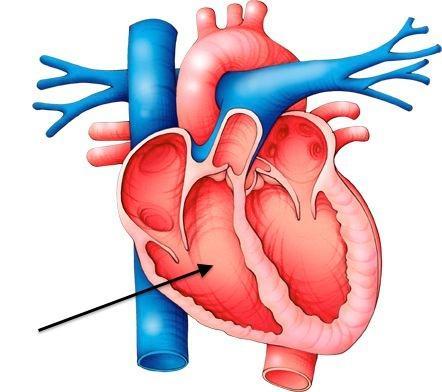
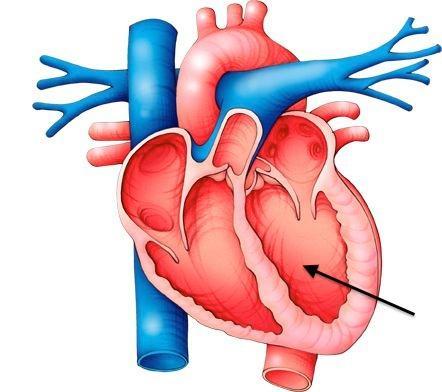
Number of heart chambers
2
3
4
5
Pulmonary circulation is
The blood flow from heart to the body cells and back to the heart
The blood flow from heart to the lungs and back to the heart
The blood flow from lungs to the heart and then to the body cells
The blood flow from the body cells to the lunngs and back to the heart
Systemic circulation is
The blood flow from heart to the body cells and back to the heart
The blood flow from heart to the lungs and back to the heart
The blood flow from lungs to the heart and then to the body cells
The blood flow from the body cells to the lunngs and back to the heart
Deoxygenated blood flow from the body cells to the heart via .....
Vena Cava
Aorta
Pulmonary artery
Pulmonary vein
Deoxygenated blood flow from the heart to the lungs via .....
Vena Cava
Aorta
Pulmonary artery
Pulmonary vein
Oxygenated blood flow from the heart to the body cells via .....
Vena Cava
Aorta
Pulmonary artery
Pulmonary vein
Oxygenated blood flow from the lungs to the heart via .....
Vena Cava
Aorta
Pulmonary artery
Pulmonary vein
The valves..
allow two way direction of blood in the heart
prevent back-flow of blood
prevent high pressure exerted in the vessels
allow lower pressure of blood flow in the heart
The ...... separate the right atrium and the right ventricle
Semilunar valve
Bicuspid valve
Tricuspid valve
Aortic valve
The ...... separate the left atrium and the left ventricle
Semilunar valve
Bicuspid valve
Tricuspid valve
Aortic valve
The right and left chambers are separated by
Sternum
Septum
Sernom
Strenoum
The........ has thick muscular wall, small lumen and no valves
Artery
Veins
Capillary
Trachea
The........ has thin muscular wall, very big lumen and valves
Artery
Veins
Capillary
Trachea
The artery carry oxygenated blood except..
Aorta
Carotid artery
Coronary artery
Pulmonary artery
The veins carry deoxygenated blood except..
Vena cava
Pulmonary vein
Subclavian vein
Pulmonary artery
The normal reading of systole and diastole is
100/50 mmHg
110/55 mmHg
120/80 mmHg
135/95 mmHg
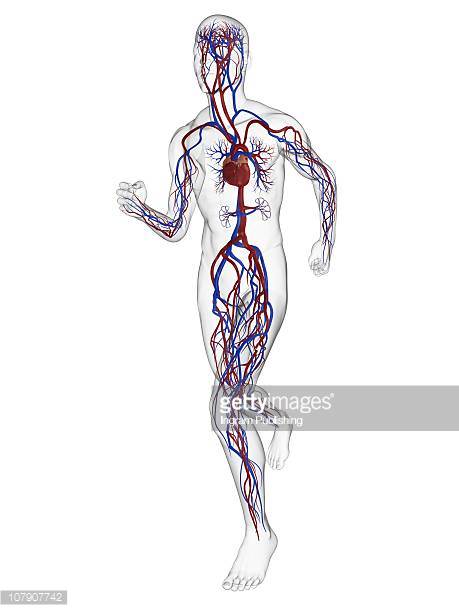
What is the main organ of the circulatory system?
small intestine
bone
lungs
heart
The job of the heart is to . . .
pump blood around the body.
send food to the small intestines.
break down food.
give energy to the body.
These cells play a vital role in defending the body against infection
Leucocytes
Erythrocytes
Blastocytes
Plasmacytes
_______ function in the life-saving process of clotting blood.
Phagocytes
Leucocytes
Erythrocytes
Platelets
True or false:
Arteries always carry blood away from the heart.
True
False
True or false:
Arteries always carry oxygenated blood.
True
False
The blood in the vena cava is...
oxygenated, returning to the heart
deoxygenated, returning to the heart
oxygenated, leaving the heart
deoxygenated, leaving the heart
The contraction/emptying phase of the cardiac cycle?
Systole
Diastole
The relaxing/filling stage of the cardiac cycle?
Systole
Diastole
The type of blood vessel where exchange of gases, nutrients, and wastes occurs?
arteries
capillaries
veins

Which choice below correctly identifies the layers of the heart from the most outer layer to the most inner layer?
epicardium, myocardium, endocardium
endocardium, myocardium, epicardium
myocardium, endocardium, epicardium
myocardium, epicardium, endocardium
The sac that surrounds and protects the heart?
endocardium
epicardium
myocardium
pericardium

This is the liquid connective tissue that makes up 50% of our blood (90% water).
Plasma
White Blood Cells
Platelets
Red Blood Cells

These are cell fragments that help form clots to stop bleeding.
Plasma
Leukocytes
Thrombocytes
Erythrocytes

These help transport oxygen and contain hemoglobin.
Plasma
Leukocytes
Thrombocytes
Erythrocytes

If you are this blood type, you are considered a "universal donor."
O-
A+
O+
AB-

If you are this blood type, you are considered a "universal recipient."
O-
A+
O+
AB+
What is the element in mammals that helps transport oxygen and carbon dioxide (oxidizes) in erythrocytes?
Gold
Copper
Lead
Iron

If a person is producing the A antibody, what is their blood type?
A
B
AB
O
If a person is producing both A and B antibodies, what is their blood type?
A
B
AB
O
If a person is producing the Rh antibody, what is their blood type?
Negative
Positive

What organ stores healthy erythrocytes as well has help break down old erythrocytes and fight off infections?
Heart
Liver
Pancreas
Spleen
All of the following are functions of blood except:
Transportation of oxygen and carbon dioxide.
Regulation of body temperature.
Synthesis of vitamins.
Defense against infection.
The two primary components of whole blood are:
Serum and cells.
Plasma and cells.
Cells and dissolved proteins.
Blood cells and cell fragments.
What are the blood cells?
Erythrocytes, leukocytes, and platelets.
The buffy coat and plasma proteins.
Blood cells, cell fragments, and plasma.
All compounds synthesized by the blood.
The most abundant compound in blood plasma, accounting
for about 92% of the total volume, is:
Oxygen
Gamma-globulin
Sodium chloride
Water
The myocardium is composed of:
An outer fibrous layer and an inner serous layer.
Cardiac muscle tissue.
A simple squamous epithelium and a layer of areolar connective tissue.

