
 Worksheets
Economics Chapter 1
Total questions: 65
Worksheet time: 2hrs 2mins


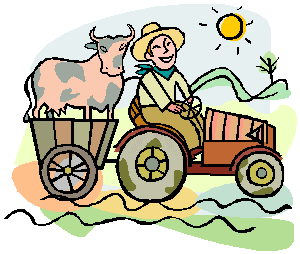


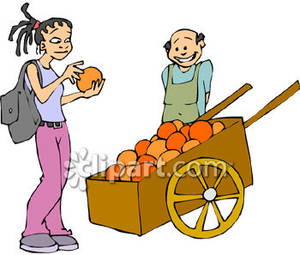


Which of these examples is a service?
Mr. Farr sells guitars.
Mr. Swenson gives art supplies to consumers.
Coach provides lessons for different sports.
Ms. Miller writes books.

Jenny has hundreds of stuffed animals to sell. The stuffed animals are considered the _________.
supply
demand
buyer
seller

Why would a business want to spend their money to invent new items?
They can save money
They will fix broken items
They can buy cool goods
They can make new goods to sell
Tyler wants to help homeless people. He decides to get friends together to put together boxes with supplies in them. Tyler and his friends then give the supply boxes to people in need. What are they doing?
They are spending the supplies.
They are donating the supplies.
They are earning the supplies.
They are borrowing supplies.

What is supply?
the amount of an item you have
how many people want your good/service
the money you have left over after you paid your bills
none of these
What is demand?
the amount of an item you have
how many people want your good/service
the money you have left over after you paid your bills
none of these

What is profit?
the money you have left over after you paid your bills
how many people want your good/service
the amount of an item you have
none of these

What does it mean when you save money?
You buy a new outfit.
You put money away for later.
You invent a new good.
You give money to help animals.

Opal saved money in the bank. From doing this, she earned _______.
Interest
Invest
Some companies _______ in inventions that will help them compete with other companies.
Interest
Invest
Apple saved some of their money to create the new iPhone X. This choice means Apple _______ in their company.
Interest
Invest
Ms. Miller put $200 into her account, but now she has $230. This is because of ______.
Interest
Invest

Which of the following will increase your profit for selling hot chocolate?
Use expensive materials
Lower the price
Give each buyer more hot chocolate
Use cheaper materials

Money that you put in a savings account______.
can never be spent
can earn interest
will be stolen
is going to be donated

Which of these is a way that a business can use its money wisely/invest in their business?
It can use more expensive resources.
It can invent new goods.
It can buy machines to make goods.
All of the above

iPhone X just came out and many people want it. What will happen to the price?


A new bakery comes to town. Now there are more options for a bakery. What will happen to the price?
For the market, Opal is selling brownies. Dyamonde is also selling brownies. What will happen to the price?
Halloween is almost here! The supply of candy is going down. What will happen to the price?
Which of the following is one of the five factors of production?
productivity
goods
entrepreneurship
services
As an economic term, land includes __________________.
work people do
natural resources
machinery
knowledge
Economic models are useful because they _________________.
show the way people react to changes in the economy
provide every detail about a problem to be studied
judge the value of economic events
make testing hypotheses unnecessary
These people take risks in order to reap profits.
Analysts
Stock brokers
Entrepreneurs
Economists
To an economist, a want is _________________________.
something you do not have
something other than a basic survival need
something you must have to survive
something most people have
Which of the following describes what economists do?
predict which policies will be good or bad
consider every detail of a problem
offer solutions to economic problems
rely on public opinion
Different schools of economic thought exist because _____________.
economics deals with values
personal beliefs influence how economists apply facts to theories
political leaders determine economic theories
economists evaluate different kinds of data
In a trade-off, opportunity cost is the value of the ________________.
factors of production
action that was chosen
scarce resources
next best alternative
The need to make choices arises because ________________.
some things are not limited
everything that exists is limited
shortages are a constant situation
people need to share their resources
The basic problem of economics is ________________.
scarcity
lack of choice
shortages
overabundance
Tangible objects that can satisfy people's wants.
land
labor
capital
goods
Advance in knowledge leading to new and improved goods and services and better ways of producing them.
land
labor
capital
technology
The study of how individuals and societies make choices about ways to use scarce resources to fulfill their needs and wants.
macroeconomics
microeconomics
economics
technology
Human effort directed toward producing goods and services.
land
labor
goods
capital
Value of the next best alternative given up for the alternative that was chosen.
trade-off
opportunity cost
time
labor
Previously manufactured goods used to make other goods and services.
land
labor
capital
technology

