
Font size
 Worksheets
SBVC Chem 101 Ch 12 Quiz
Total questions: 64
Worksheet time: 1hrs 22mins
Changing from a liquid to a gas
condensation
vaporization
sublimation
melting
Changing from a gas to a liquid
condensation
vaporization
sublimation
melting
Changing directly from a solid to a gas
condensation
vaporization
sublimation
melting
Strongest type of intermolecular force present in HF.
dipole dipole
dispersion
H-bond
ionic
H2S has what strongest kind of intermolecular force?
dipole dipole
dispersion
H-bond
ionic
Strongest intermolecular force present in HCl?
dipole dipole
dispersion
H-bond
ionic
Strongest intermolecular force present in Cl2?
dipole dipole
H-bond
dispersion
metallic
The measure of the resistance to the flow of a liquid is called:
vapor pressure.
sublimation.
viscosity.
condensation.
The tendency of a liquid to minimize its surface area is called:
capillary action.
viscosity.
surface tension.
vaporization.
Which statement about boiling point is FALSE?
The boiling point is higher for compounds with strong intermolecular forces.
The boiling point is higher for compounds with a high viscosity.
The boiling point of a compound is an absolute constant.
The boiling point of a compound is higher for nonvolatile compounds
Which intermolecular force is present in all molecules and atoms?
dispersion forces
dipole-dipole forces
hydrogen bonding
none of the above
Which intermolecular force is due to the formation of an instantaneous dipole?
dispersion forces
dipole-dipole forces
hydrogen bonding
none of the above
Which substance below has dispersion forces?
CH4
CO2
F2
H2S
All above
Which noble gas has the highest boiling point?
Ne
Ar
Kr
Xe
Which molecule below has hydrogen bonding?
CH4
HCl
H2
CH3CH2OH
Which compound in liquid form will have the highest vapor pressure?
CH4
CH3CH3
CH3COCH3
CH3CH2OH
What types of forces exist between I2 molecules?
dispersion forces
dipole-dipole forces
hydrogen bonding
ion-dipole forces
Which substance would be expected to have the highest boiling point?
N2
O2
CO
not enough information


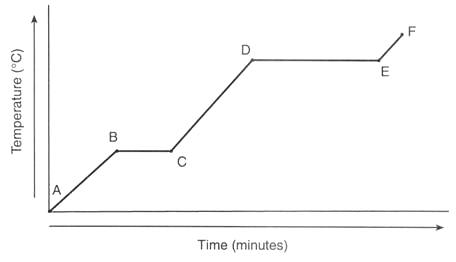

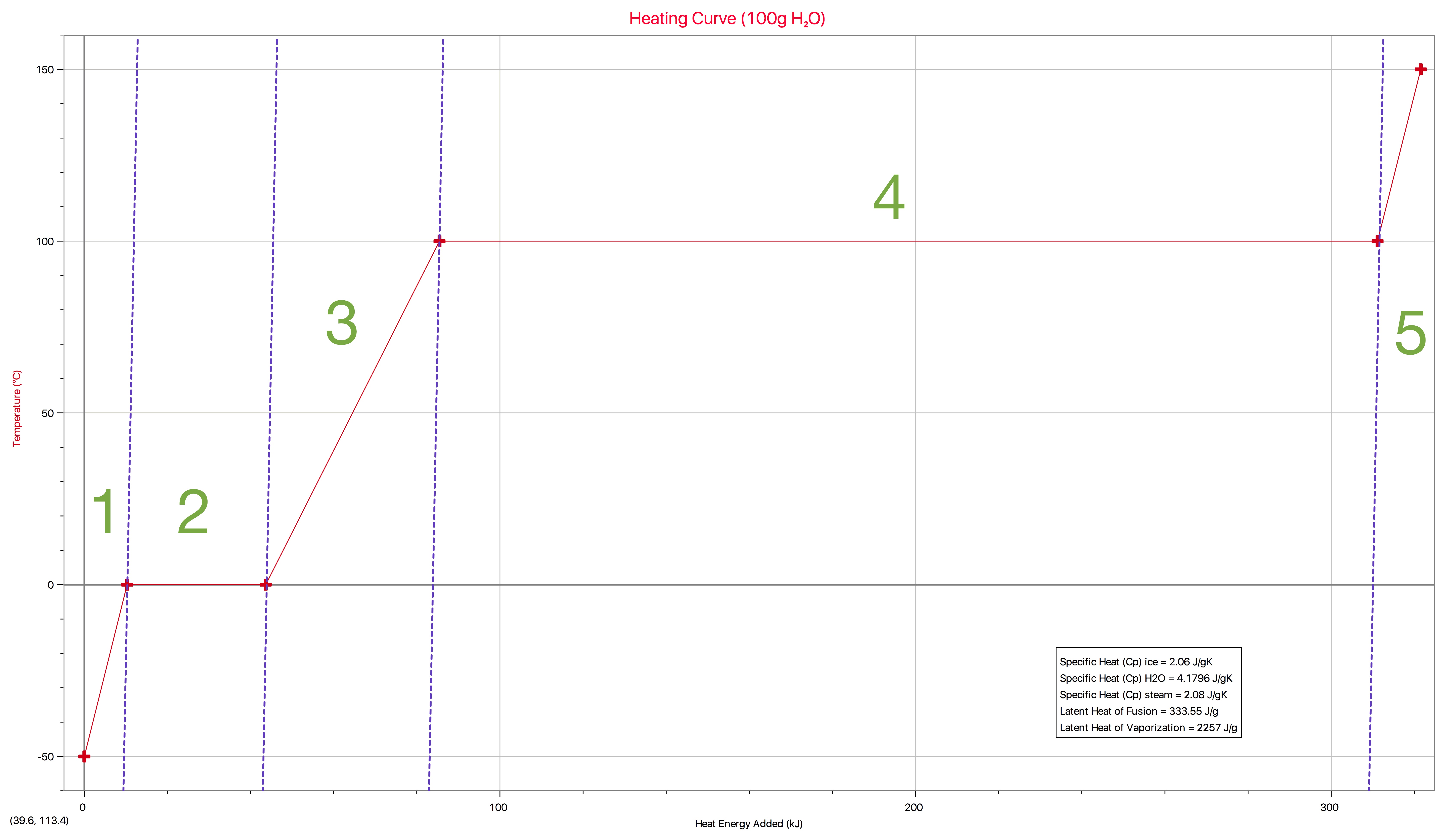
Which of these conditions is always true for an endothermic process?
They leave the surroundings feeling hot
They release energy into the surroundings.
They absorb energy from the surroundings
The reactants lose energy
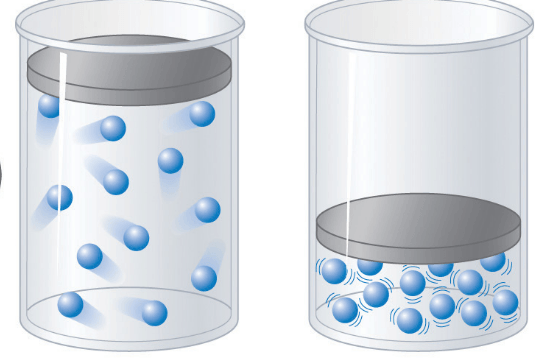
Which container will have a lower pressure?
left
right
they both have the same pressure
Intermolecular forces are
the relationship between protons and electrons of an element.
the attraction between two molecules.
the bond that two or more elements make.
the reacting of elements.
Which of these is not a type of intermolecular force?
Dipole-Dipole
Helium "Bonds"
(London) Dispersion Forces
Debye (Induced) Dipole
Intermolecular forces are responsible for:
the shape of protein molecules.
the function of DNA.
the existence of liquids and solids.
all of the above
Hydrogen bonding occurs when a hydrogen atom bonded to N, O, or F is attracted to another molecule's N, O or F atom. Which of the following can participate in hydrogen bonding?
CBr4
NO2
H2S
NH3
All molecules can exhibit London dispersion forces, but dipole-dipole and hydrogen bonding are stronger attractions for molecules with similar masses/numbers of electrons when they are present. Which of these can ONLY exhibit London dispersion forces?
I2
NH3
OCl2
CH3Cl
Dipole-dipole attractions occur between polar molecules. Which of these molecules is polar?
H2
HCl
Cl2
Br2

A Lewis structure for acetone is shown above. (There is a carbon atom at the center that isn't shown) What type of intermolecular forces will be present between the molecules of acetone in a pure sample of acetone? Select all that apply.
ion-dipole attractions
dipole-dipole attractions
hydrogen bonding
London dispersion forces
The weaker the intermolecular forces of a substance, the _____________ the boiling point.
higher
lower
Which of the following explains the relatively high melting and boiling point of water?
Strong dipole-dipole attractions between water molecules
Strong hydrogen bonds between water molecules
London dispersion forces between water molecules
Dipole-induced dipole attractions between water molecules
London dispersion forces are stronger in more massive atoms or molecules, and weaker in less massive atoms or molecules. Which of the following has the strongest London dispersion forces?
F2
Br2
I2
Cl2
Which of the following intermolecular forces can all types of particles exhibit?
London dispersion forces
dipole-dipole forces
hydrogen bonding
none of the above

A Lewis structure for carbon dioxide is shown below. What types of intermolecular attractions can be present between molecules of carbon dioxide in a pure CO2 sample? Select all that apply
London dispersion forces
dipole-dipole attractions
hydrogen bonds
ion-dipole attractions
Which of these molecules can participate in dipole-dipole attractions? Select all that apply.
Br2
CF4
I2
PCl3
CO
Propane is a gas at room temperature, while bromine is a liquid at room temperature. Which statement correctly explains these observations?
Bromine has weaker intermolecular forces than propane does
Bromine has greater molecular polarity than propane does
Bromine has weaker molecular polarity than propane does
Bromine has stronger intermolecular forces than propane does

Which numbered arrow in the image above points to a hydrogen bond?
1
2
3
4
What is the strongest type of intermolecular force one H2S molecule will exhibit?
dipole-dipole attraction
London dispersion forces
H-bonds
ionic bonds
What is the strongest intermolecular force present between HCl molecules?
dipole dipole attractions
London dispersion forces
H-bonds
ionic bonds
Which of the following would best remove Sharpie marker from your wall if this marker is known to be non-water soluble?
salt water
ammonia (nitrogen trihydride)
acetone (finger nail polish remover)
distilled water
Which of the following is NOT a kind of intermolecular force?
hydrogen bonding
covalent bond
London dispersion forces
dipole-dipole attraction
Rank these in order of strength:
covalent bond
London dispersion forces
hydrogen bond
dipole-dipole attraction
dipole-dipole>covalent bond>hydrogen bond>London
London>dipole-diple>hydrogen bond>covalent bond
covalent bond>hydrogen bond>dipole-dipole>London
hydrogen bond>dipole-dipole>London>covalent bond

