wayground logo

Free Printable Worksheets

Font size

S
M
L
XL
Worksheets

Life Science Pre-test (Biomes & Scientific Method)

Total questions: 57

Worksheet time: 1hrs 15mins

Name
Class
Date
1.

Is an inherited behavior an organism knows without having to learn it.

a)

succession

b)

adaptation

c)

extinction

d)

instinct

2.

Something an organism does to help it survive.

a)

behavioral adaptation

b)

physical adaptation

c)

adaptation

d)

instinct

3.

An adaptation to a body part that helps the organism survive.

a)

Behavioral adaptation

b)

Adaptation

c)

instinct

d)

Physical adaptation

4.

To save or protect

a)

Waste

b)

Conserve

c)

recycle

d)

reduce

5.

A quality or characteristic passed down from one's parents or ancestors.

a)

adaptation

b)

instinct

c)

inherited

d)

succession

6.

When all members of a certain species die off.

a)

Inherited

b)

conservation

c)

extinction

d)

adaptation

7.

Ms. Danford tells her class that animals are adapted to their environments. She then asks the class to determine where an animal with big ears and a thin coat would live. Which environment is a logical choice?

a)

desert

b)

stream

c)

polar region

d)

underground

8.

Which adaptation of this mountain lion enables it to survive in its environment by catching a deer?

a)

thick fur

b)

long tail

c)

small ears

d)

sharp teeth

9.

The organism shown above has webbed feet and a paddle-like tail. Where does this animal most likely live?

a)

in a tree

b)

in a desert

c)

near a stream

d)

in a polar region

10.

After a large number of people moved to an area, several species of plants and animals became extinct. Which event most likely led to so many species becoming extinct in a short amount of time?

a)

natural disasters

b)

climate change

c)

destruction of the habitat

d)

variation in the species

11.

A marsh is an area of low, wet land. Cole expected to see few plants there, but he observed many species. Which best explains why plants are able to survive in the marsh?

a)

Plants that grow there have adapted to survive.

b)

Plants that grow in a marsh can survive for a short time before dying out.

c)

Plants need water, so all plants grow well in a marsh.

d)

Plants can grow anywhere as long as they get sunlight.

12.

This term means an individual animal, plant, or single-celled life form.

a)

creature

b)

instinct

c)

organism

d)

environment

13.

A characteristic that helps a living thing survive.

a)

instinct

b)

succession

c)

inherited

d)

adaptation

14.
This variable in an experiment is the one being deliberately changed by the scientist. 
a)
dependent variable
b)
independent variable
c)
data
d)
control group
15.
Three baseball players investigate to see who can throw a baseball the farthest. They mark off an area on the playground for their investigation. Which should they keep constant?
a)
height of the players
b)
color of the balls thrown
c)
order in which the players throw
d)
spot from which the players throw
16.
A factor in an experiment that stays the same.
a)
control group
b)
constant
c)
dependent variable
d)
experimental group
17.
Which would be a qualitative observation?
a)
The color of milk
b)
The number of eggs used
c)
The temperature at which the egg boiled
d)
The time it took the egg to cook
18.
What are two different forms of data collection?
a)
Large/Small
b)
Qualitative/Quantitative
c)
Theory/Law
19.
Which describes this statement, "the frog is 4 cm long"?
a)
quantitative data
b)
inference
c)
control group
d)
qualitative data
20.
What are the main biomes of the world?
a)
aquaticforestdesertgrassland and tundra
b)
aquatic and tundra only
c)
deciduous and arctic only 
21.
What is the difference between biomes and ecosystems?
a)
A biome is an ecosystem containing different plants, animals, and minerals indigenous to a specific geographic area. 
b)
An Ecosystem is where you go for clean water
22.
Which major biome is home to cacti, mesquite, white torn, pack rats, small reptiles, and coyotes?
a)
Desert
b)
Taiga
c)
Tundra
d)
Grassland
23.
Which of these types of information do scientists use to organize the Earth into biomes?
a)
Forest and endangered species
b)
Biomass, energy, and human populations
c)
Precipitation, temperature, and vegetation
d)
Renewable and non-renewable resources
24.
Which biome is characterized by low temperatures and low amounts of rainfall?
a)
Tundra
b)
Desert
c)
Temperate Deciduous Forest
d)
Tropical Rainforest
25.
Which biome is most common in GA?
a)
Taiga
b)
Grassland
c)
Temperate Forest
d)
Desert
26.
The kangaroo rat is able to get all of the water it needs through it's food and therefore, never needs to drink liquid. This animal has adapted to survive in which biome?
a)
Forest
b)
Tundra
c)
Desert
d)
Grassland
27.
Which biome covers most of the land mass near Earth's equator?
a)
Desert
b)
Grassland
c)
Tropical rainforest
d)
Temperate forest
28.
A large, relatively distinct region with a similar climate, soil, plants, and animals
a)
ecozones
b)
biotopes
c)
biomes
d)
biodomes
29.

TRUE or FALSE?

Each biome also has a characteristic set of organisms that are adapted to living there.

a)

true

b)

false

30.
Which biome is a treeless biome in the far north with harsh, cold winters and extremely short summers
a)
tundra
b)
desert
c)
temperate deciduous forest
d)
tropical rain forest
31.
Which biome is also called the "taiga"
a)
temperate deciduous forest
b)
boreal forest
c)
temperate rainforest
d)
tropical rainforest
32.
The most important abiotic factors when studying biomes are...
a)
Food and Water
b)
Water and Sunlight
c)
Temperature and Oxygen
d)
Precipitation and Temperature 
33.
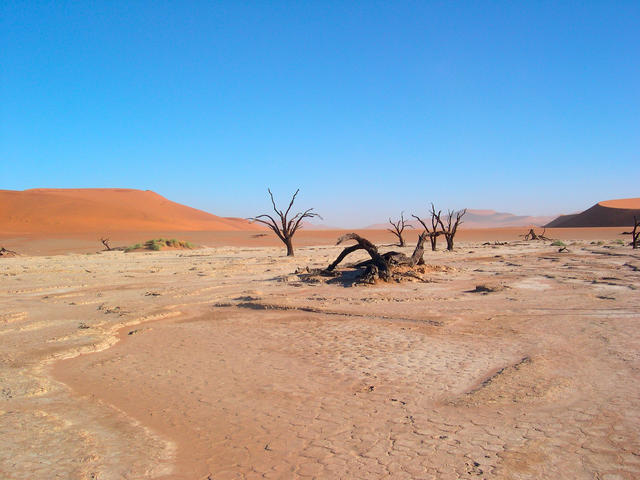
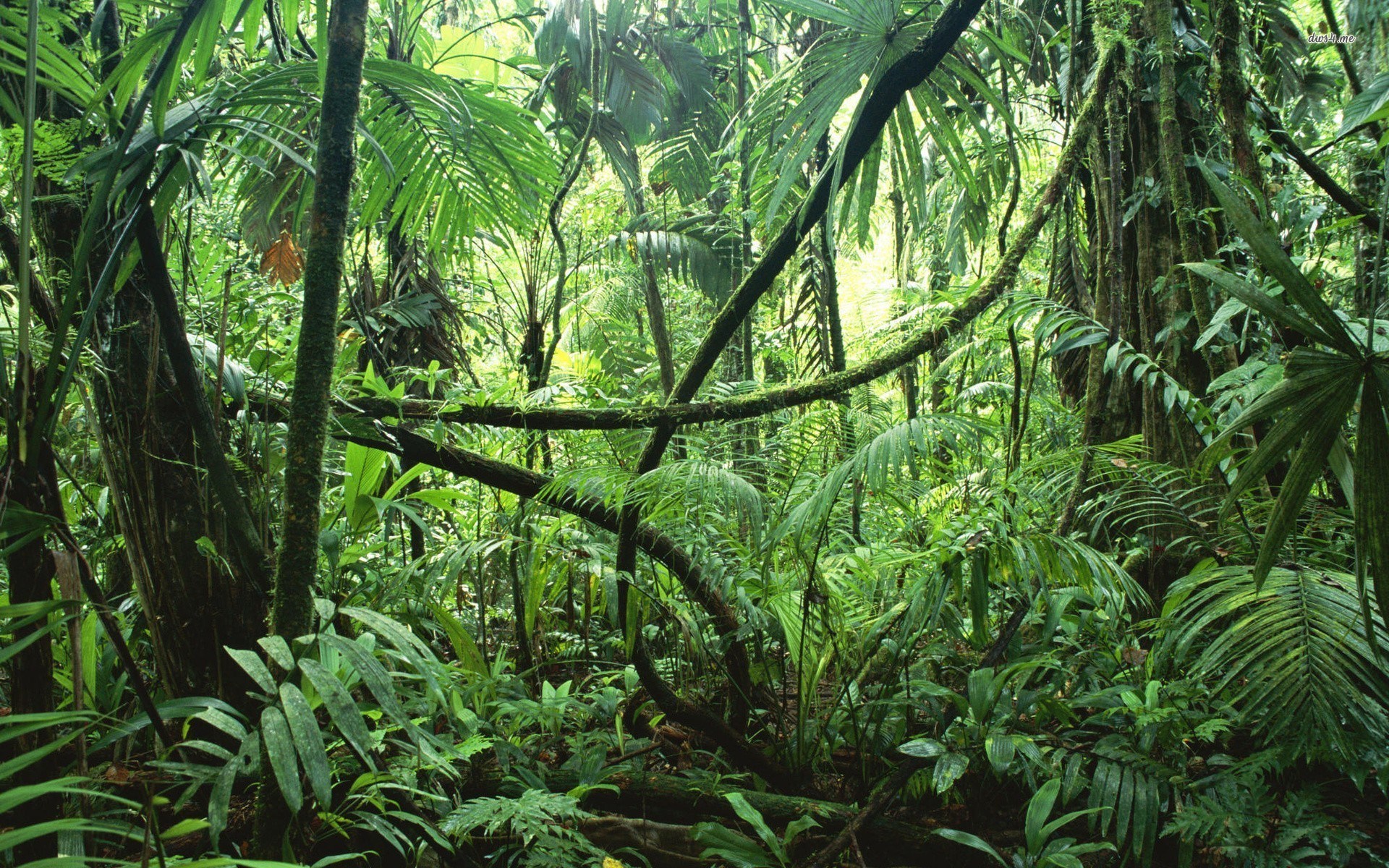
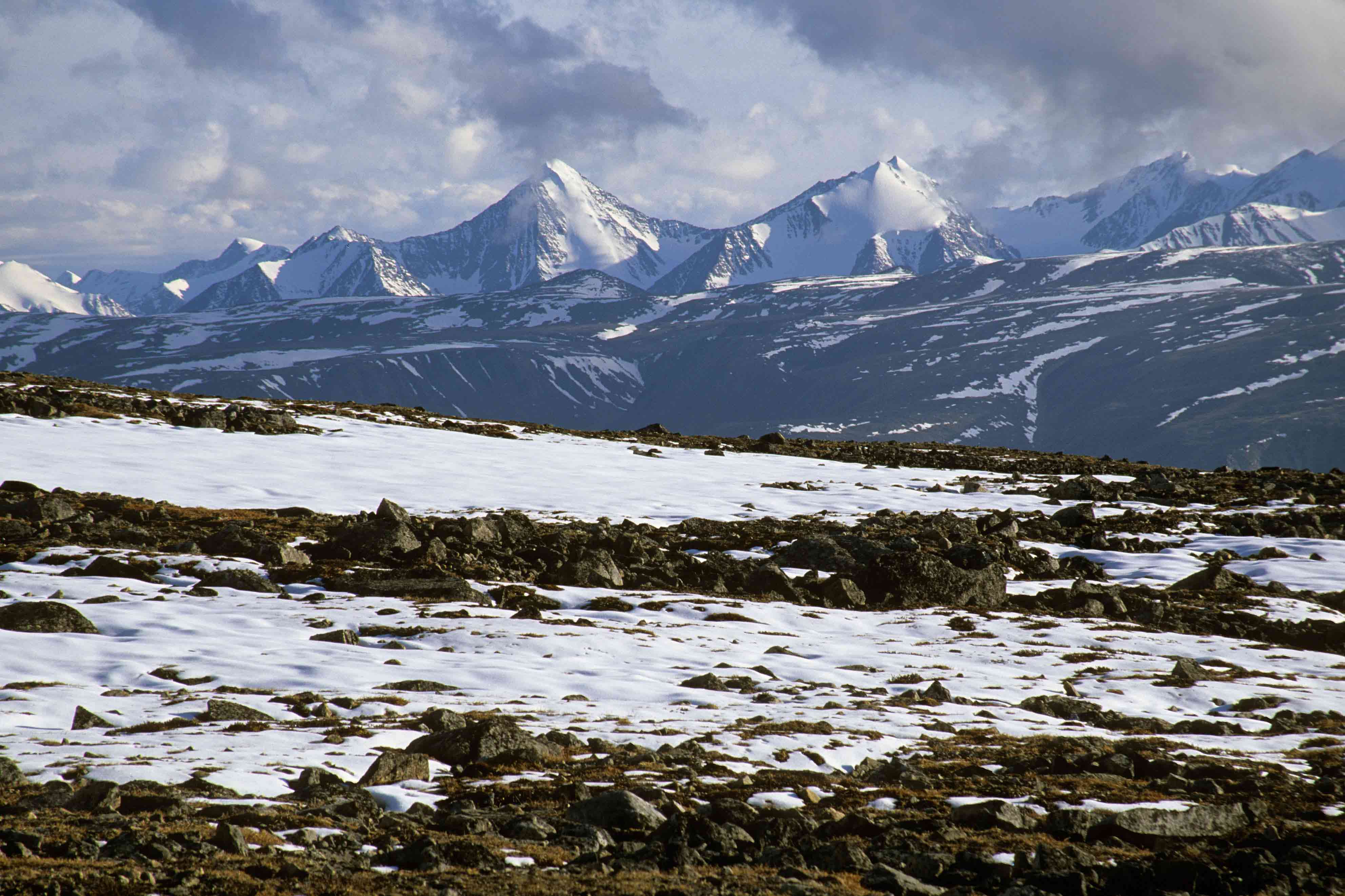
 What type of biome is pictured?
a)
Desert
b)
Tundra
c)
Tropical Rainforest
d)
Grassland
34.
 What type of biome is pictured?
a)
Temperate Deciduous Forest
b)
Boreal Forest
c)
Tropical Rainforest
d)
Grassland
35.
 What type of biome is pictured?
a)
Tundra
b)
Temperate Rainforest
c)
Grassland
d)
Desert
36.
 What type of biome is pictured?
a)
Tundra
b)
Temperate Rainforest
c)
Grassland
d)
Desert
37.
The grasslands don't receive much of this.
a)
grasses
b)
droughts
c)
herbivores
d)
rainfall
38.
Which of these describes the rainforest?
a)
populated by squirrels, bears and pine trees
b)
relatively few trees
c)
generally close to the equator
d)
short, mild, dry summers
39.
The rainforest has the greatest variety of different organisms that live there. In other words, the rainforest has the greatest ______.
a)
speciation
b)
biodiversity
c)
climate
d)
succession
40.
What best describes the climate in the desert?
a)
warm
b)
hot
c)
dry
d)
windy
41.
Plants and animals living in the desert must be able to adapt to extreme heat and _______________.
a)
winds
b)
chia
c)
dryness
d)
evaporation
42.
A desert is very hot during the day and receives very little rain. 
Which plants will most likely survive in this kind of environment?
a)
plants with waxy coatings
b)
plants with few roots
c)
plants with large leaves
d)
plants with soft stems
43.
The rainforest is very moist and receives much rain. 
Which plants will most likely survive in this kind of environment?
a)
plants with few roots
b)
plants with needles 
c)
plants with large leaves
d)
plants that grow close together
44.
How do invasive plants damage the environment?
a)
Compete with native species
b)
Change plant community
c)
Alter diversity
d)
All of these
45.

Which of these is one cause of deforestation?

a)

Urbanization

b)

Buying a Christmas tree during the holidays

c)

Overbreeding birds in the wild

d)

Cutting down the tree in your backyard

46.
What is deforestation?
a)
Clearing Earth's forests on a massive scale
b)
Eating too much vegetables
c)
Going to a forest and pulling weeds
d)
Clearing the five trees in my backyard
47.

When human-made chemicals and garbage find their way into nature and harm the air, soil, and water it is called

a)

pollution

b)

habitat destruction

c)

overexploitation

d)

climate change

48.
Why are fossil fuels a nonrenewable resource? 
a)
they take millions of years to replace 
b)
they can be used over and over again
c)
they are used to heat and light homes 
d)
they cause air and water pollution 
49.
Which group includes ALL renewable resources?
a)
Coal, trees, water, oil
b)
Water, wind, sun, plants
c)
Minerals, sun, natural gas, water
50.

1. What are renewable resources?

a)

. Resources that are used faster than they form

b)

resources that can replenish themselves over time

c)

resources that formed over millions of years

d)

resources that exist only in rural areas

51.

1. What does the Endangered Species Act do?

a)

It provides food for endangered species.

b)

It protects organisms that are near extinction and their environments

c)

It protects populations of animals from predators

d)

It protects endangered plant species only.

52.
Biotic factors would include all but..
a)
humans
b)
fish
c)
Trees
d)
soil
53.
Benefits of Coral Reefs include:
a)
Provide photosynthesis
b)
Pollution
c)
Regulates climate
d)
Fertilizer and Pesticide
54.

As species go extinct what will happen to the biodiversity in that ecosystem?

a)

Decrease

b)

Increase

c)

Stay the same

55.

What will happen to ocean life if the water gets warmer?

a)

They will be fine

b)

decrease in variation

c)

increase in variation

56.

Which are examples of renewable resources?

a)

coal

b)

wind power

c)

solar power

d)

water power

57.

What will happen to the populations of seals, polar bears and penguins if the ice caps melt?

a)

Populations will increase

b)

Nothing will happen to the populations

c)

Populations will decrease