
 Worksheets
Life Science Vocabulary- Unit 1: Cells & Organelles (2/3)
Total questions: 58
Worksheet time: 41mins
A eukaryotic cell containing membrane bound organelles without a cell wall or chloroplasts.
Animal Cell
Plant Cell
Bacterial Cell
Protist Cell
A unicellular prokaryote that lives almost everywhere. Some are harmful, but some are helpful.
Animal Cell
Plant Cell
Bacterial Cell
Protist Cell
A eukaryotic cell containing membrane bound organelles in addition to a cell wall and chloroplasts.
Animal Cell
Plant Cell
Bacterial Cell
Protist Cell
A unicellular eukaryote that is specialized to live in many different environments.
Animal Cell
Plant Cell
Bacterial Cell
Protist Cell
The semi-permeable layer that surrounds ALL cells. This structure controls what moves in and out of the cell, maintaining homeostasis.
Cytoplasm
Cell Wall
Cell Membrane
Organelle
Barrier that surrounds the cell membrane in plant and bacterial cells. It helps maintain support and structure.
Cytoplasm
Cell Wall
Cell Membrane
Organelle
The gel-like material inside ALL cells.
Cytoplasm
Cell Wall
Cell Membrane
Organelle
The membrane bound structures in a cell that carry out the cell's internal processes.
Cytoplasm
Cell Wall
Cell Membrane
Organelles
The type of cell that contains a true nucleus and organelles.
Prokaryotic
Eukaryotic
The type of cell that lacks a true nucleus and membrane bound organelles.
Prokaryotic
Eukaryotic
The organelle found in plant cells (and other photosynthetic organisms); allows plants to make their own food using sunlight energy.
Vacuole
Lysosome
Chloroplast
Nucleus
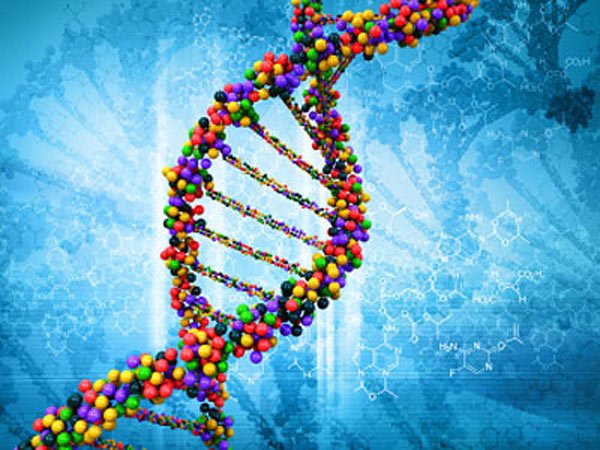
The genetic material that codes for an organisms traits.
Nucleus
DNA
Chloroplast
Cytoplasm
The organelle that contains digestive enzymes to help a cell break down materials.
Mitochondria
Nucleus
Chloroplast
Lysosome
The energy producing organelle; the powerhouse of the cell.
Mitochondria
Nucleus
Lysosome
Vacuole
The control center of eukaryotic cells. It is where DNA is stored.
Cytoplasm
Nucleus
Cell Membrane
Chloroplast
Plants, animals, protists, and fungi are all composed of __________________________ cells.
Prokaryotic
Eukaryotic
The form or shape of something.
Matter
Energy
Structure
Function
The basic unit of structure and function in an organism.
Cell
Organ
Atom
Molecule
A living thing.
Tissue
Organ
Organism
Atom
Purpose or job; what something does.
Structure
Function
System
Matter


Pigment contained in the chloroplast which captures energy from sunlight.
photosynthesis
chlorophyll
glucose
organ

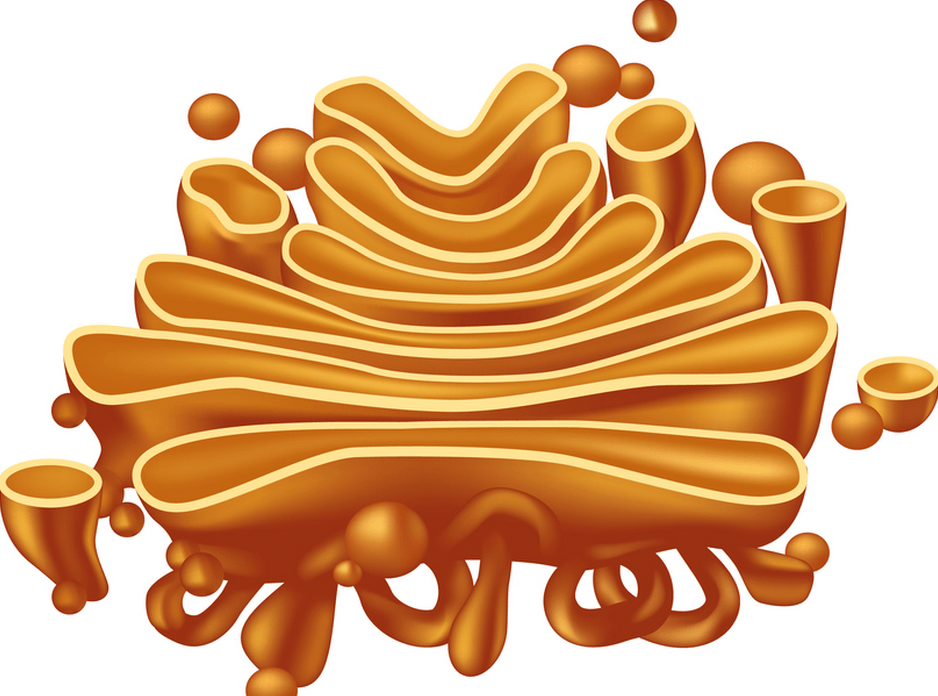
What is the function of this organelle?
control center of the cell
site of photosynthesis
found in plant and animal cells


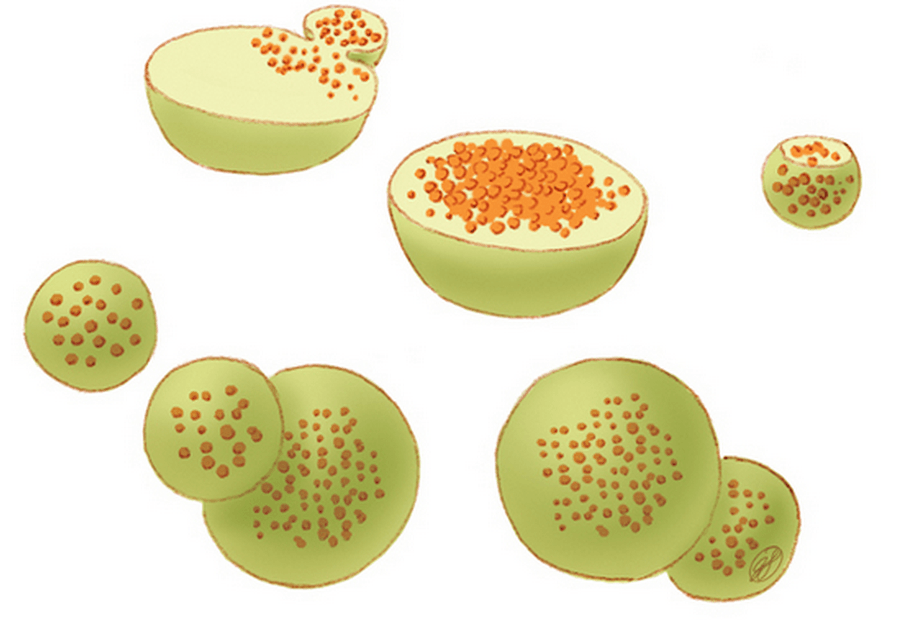
You might think of me as the trash collector or recycler is maybe more accurate. What am I?
cytoplasm
lysosomes
vacuole
ribosome


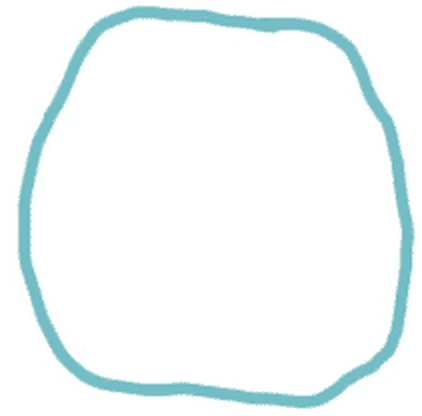
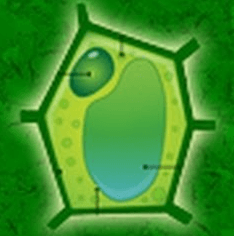
What type of cell is this?
Plant Cell
Animal Cell
Bacterial
Sponge


Examine this cell above. Based on your observations, which type of cell would this cell most likely be, and why you chose that type.
It is most likely a plant cell, because it is rounded on the edge.
It is most likely an animal cell, because it has a cell membrane.
It is most likely bacteria, because of the parts in it.
It is most likely an animal cell, because it does not have a cell wall, and it is round shaped and flexible looking.



