wayground logo

Free Printable Worksheets

NEW

Font size

S
M
L
XL
Worksheets

Physical vs. Chemical Changes

Total questions: 40

Worksheet time: 30mins
Name
Class
Date
1.
Is melting butter for popcorn a chemical or physical change?
a)
chemical
b)
physical
2.
Which of the following is NOT an example of a physical change?
a)
crumpled paper
b)
pencil sharpening
c)
shrunken clothing
d)
rust
3.
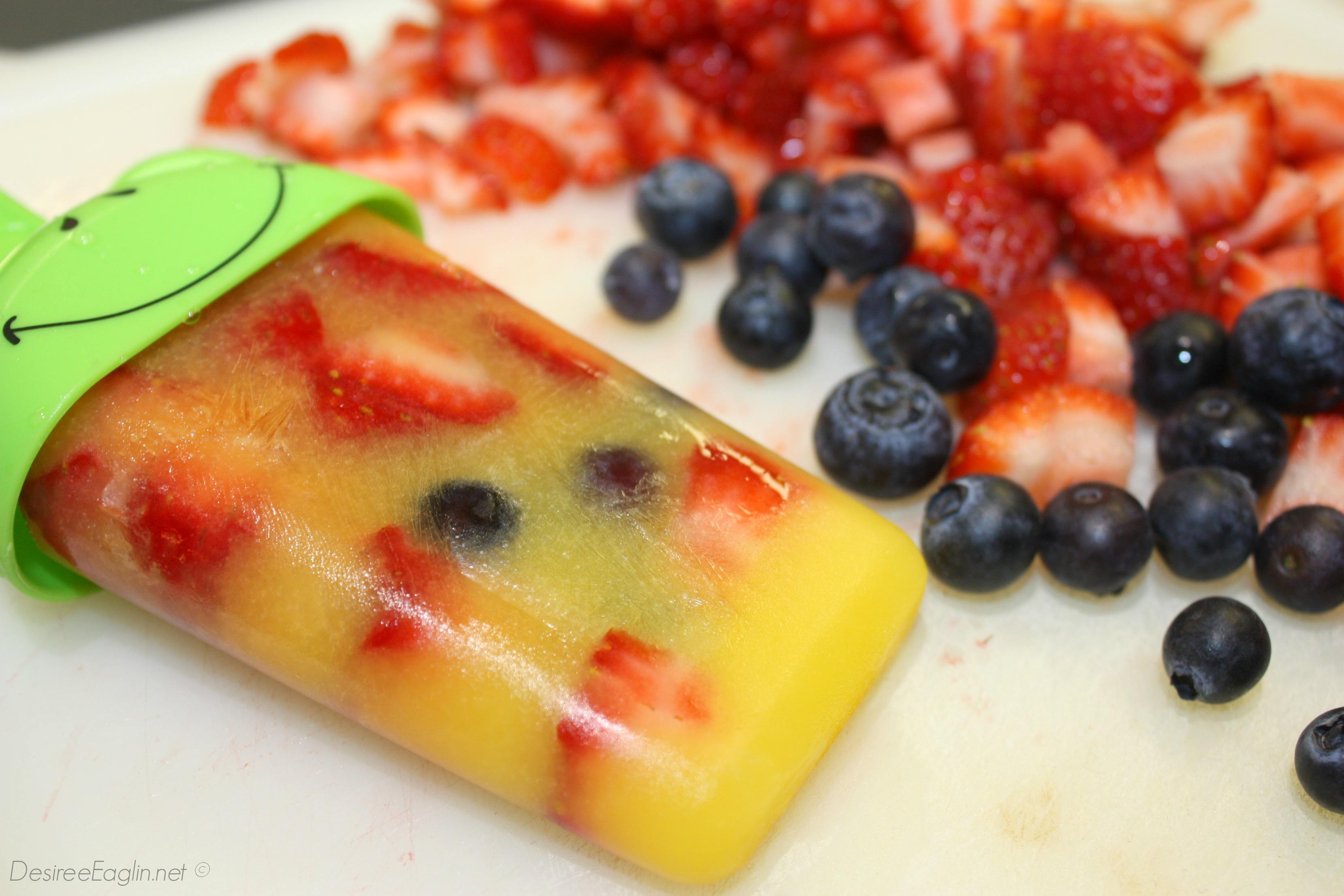
Freezing Juice?
a)
Physical Change
b)
Chemical Change
4.
A change where one or more new substances are created.
a)
Physical Change 
b)
Chemical Change 
5.
Rust on an iron bar is an example of chemical change.
a)
True 
b)
False
6.
When a substance melts, the kinetic energy _____________.
a)
decreases
b)
stays the same
c)
increases
d)
decreases then increases
7.
When molecules flow around each other, they are in this phase
a)
solid
b)
liquid
c)
gas
d)
plasma
8.
What takes place when a liquid changes to a gas?
a)
condensation
b)
melting
c)
evaporation
d)
freezing
9.
What takes place when a solid changes to a liquid?
a)
condensation
b)
melting
c)
evaporation
d)
freezing
10.
What is the average kinetic energy of a substance called?
a)
volume
b)
temperature
c)
pressure
d)
movement
11.
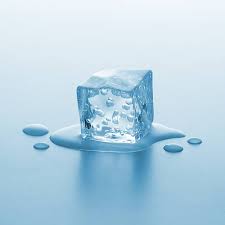
What state of matter is X?
a)
solid 
b)
liquid
c)
gas
d)
supercritical fluid
12.
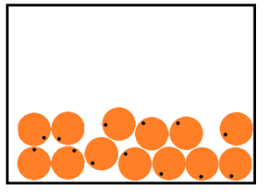
What state of matter is Y?
a)
solid 
b)
liquid
c)
gas
d)
supercritical fluid
13.
What state of matter is Z?
a)
solid 
b)
liquid
c)
gas
d)
supercritical fluid
14.
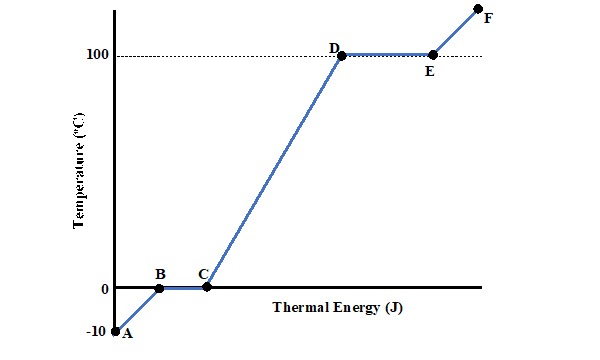
What change occurs from F to E?
a)
sublimation
b)
deposition
c)
melting
d)
condensation
15.
What change occurs from E to C?
a)
sublimation
b)
freezing
c)
melting
d)
boiling
16.
What change occurs from C to D?
a)
condensation
b)
vaporization
c)
melting
d)
sublimation
17.

What is the normal boiling point of this substance at standard pressure?

a)

150 °C

b)

100 °C

c)

-50 °C

d)

0 °C

18.

What is the normal melting point of this substance at standard pressure?

a)

150 °C

b)

100 °C

c)

-50 °C

d)

0 °C

19.
What is point A?
a)
triple point
b)
critical point
c)
equilibrium point
d)
normal melting point
20.
What line segment represents only the solid state?
a)
A-B
b)
B-C
c)
C-D
d)
D-E
21.
In which segment is the kinetic energy remaining constant?
a)
A-B
b)
B-C
c)
C-D
d)
E-F
22.

Between which two points is the solid cooling?

a)

A <---- B

b)

B <----> C

c)

C <---- D

d)

D <----> E

e)

E <---- F

23.

Between which two points is the gas heating up?

a)

A ----> B

b)

B <---- C

c)

C ----> D

d)

D ----> E

e)

E ----> F

24.
The graph shows a cooling curve for an unknown substance.  What is happening during segment DE?
a)
boiling
b)
condensation
c)
freezing
d)
melting
25.
True or false: melting and freezing occur at the same temperature!
a)
True
b)
False
c)
I don't know
26.
Which of the following terms identifies the change from a liquid to gas?
a)
Vaporization
b)
Condensation
c)
Deposition
d)
Sublimation
27.

The melting point of the sample is

a)

-60 ºC

b)

-100 ºC

c)

60 ºC

d)

100 ºC

28.

The number to the lower right of an element that shows the number of atoms bonded is called ?

a)

Product

b)

Subscript

c)

Chemical Formula

d)

Reactant

29.

One or two letters that represent the elements on the periodic table is called?

a)

The Chemical Formula

b)

The Chemical Equation

c)

The Chemical Symbol

d)

Coefficient

30.

What is a Reactant?

a)

The end result of a chemical reaction.

b)

The arrow that separates the product from the reactant.

c)

The number to the lower right of an element that shows the number of atoms.

d)

The substance changed in a chemical reaction.

31.

What is a Yield in a chemical reaction?

a)

The arrow that separates the product from the reactant.

b)

The end result of a chemical reaction.

c)

The number before a chemical formula that shows the number of molecules present.

d)

A written description of a chemical reaction.

32.

The number before a chemical formula that shows the number of molecules present is call a?

a)

Yield

b)

Product

c)

Coefficient

d)

Reactant

33.

_________ describes the number of elements in a compound.

a)

chemical symbol

b)

chemical formula

c)

chemical equation

d)

coefficient

34.

______ is the end result of a chemical reaction.

a)

Product

b)

Yield

c)

Subscript

d)

Reactant

35.

What is a chemical equation?

a)

Describes the number of elements in a compound.

b)

One or two letters that represent the elements on the periodic table.

c)

The number to the lower right of an element that shows the number of atoms bonded.

d)

A written description of a chemical reaction.

36.
What do you call the substances on the left side of a chemical equation?
a)
yield
b)
products
c)
reactants
d)
compounds
37.
Chose the correct labels for the parts of a chemical equation.
a)
reactants yield products
b)
reactants make compounds
c)
products equal reactants
d)
products yield reactants
38.

During a reaction, atoms are

a)

created

b)

destroyed

c)

neither created or destroyed - just rearranged

39.

How many F atoms are in this compound?

MgF2

a)

2

b)

6

c)

8

d)

12

40.

Is a copper penny turning greenish after a few years a chemical or physical change?

a)

Chemical Change

b)

Physical Change