
 Worksheets
First partial recap Quim1
Total questions: 70
Worksheet time: 34mins
The following are pure substances, EXCEPT
Copper
Gold
Carbon Dioxide
Milk

Ice can float on water
Physical property
Physical change
Chemical propety
Chemical change

Water react with Oxides and make Hydroxides
Chemical property
Physical change
Physical property
Chemical change

Muriatic acid is added to a clogged pipe and the waste "disappears"
Chemical change
Physical property
Physical change
Chemical property

Liquids have a _______________________________ volume
Constant
Easy to compress
Variable

State of matter with the highest kinetic energy
Gas
Liquid
Solid

Separation method of a liquid and a soluble solid (can be several options)
Evaporation
Distillation
Filtration
Magnetization

Easy to compress state of matter
Gas
Líquid
Sólid

Electric conductivity of copper is an _________________________________ physical property.
Intensive
Extensive

The weight of an object is an ___________________________physical property
Extensive
Intensive
Mass

The melting point of mercury is a ____________________ ________________________property
Intensive Physical
Extensive Physical
Chemical

Copper was mixed in the presence of nitric acid and copper nitrate was formed
Chemical change
Physical change
Chemical property
Physical property

Nitrogen in its pure state is explosive and highly flammable
Chemical property
Physical property
Physical change
Chemical change

The oxidation on an iron nail is a
Physical change
Chemical change

Melting ice
Physical change
Chemical change

Photosynthesis is a
Physical change
Chemical change

Melting metal is a
Physical change
Chemical change

When a bomb explotes is a
Physical change
Chemical change

Which group has extensive physical properties only
Mass, volumen and weight
Mass, volumen and density
Mass, volumen and fussion point

Atom with Z=9 and electrons= 10 is a/an
Anion
Cation
Isotope
Neutral

If an atom has 3 electrons more than protons it´s charge will be
-3
+3
0
+3 , -3
Charge= -2 Electrons= 7 Z=????
5
9
12
-5
neutrons= 7 A= 13 electrons= 5 Charge= ????
+1
6
-1
12
Atoms with the same number of Z but different number of A
Isotopes
Isobars
Iones
Elements
Charge= -1 neutrons= 5 electrons= 5 A= ????
9
10
6
4

The nucleous (core) in an atom is
Positive
Neutral
Negative
Depend if it is an ion or not
What would be the charge of an atom If it"loses" 4 electrons?
-4
+4
Neutral
+4 , -4
A= 20 neutrons= 11 Z= ???
9
31
-9
11

A solid´s characteristic
Molecules very close together
They flow
Adopt the shape of the container

State of matter that is only observed at temperatures near zero Kelvin
Bose - Einstein condensate
Solid
Plasma

The similar fluid of the gaseous state where most of the atoms are ionized and is found in very high temperatures is called:
Solid
Plasma
Liquid

The combination of raisins, M & M's and walnuts is a ...
Homogeneous mixture
Heterogeneous mixture
Pure substance
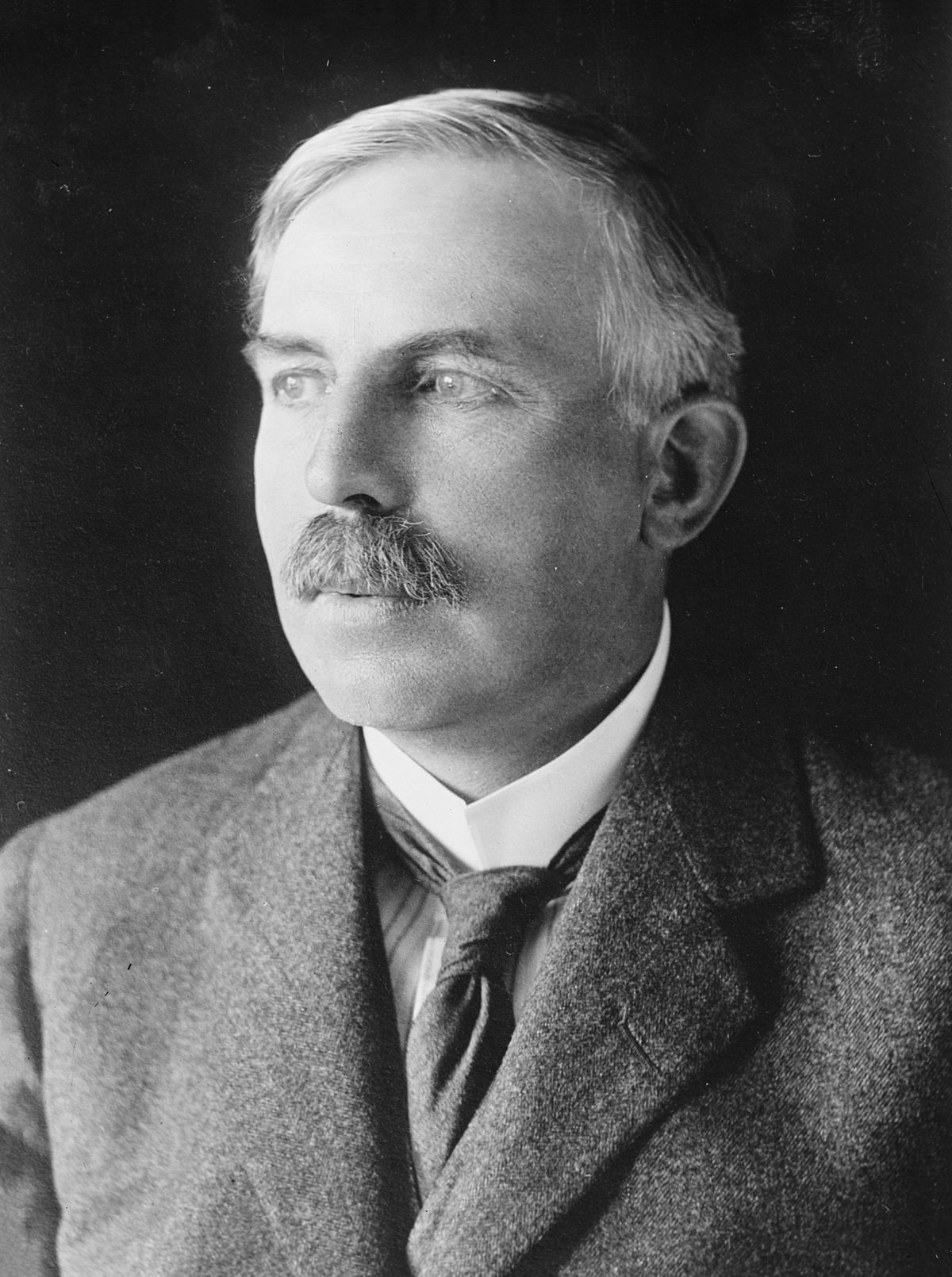
Scientist who proposes that the atom has a nucleus
Ernesth Rutherford
Niels Bohr
Demócrito
J.J. Thomson
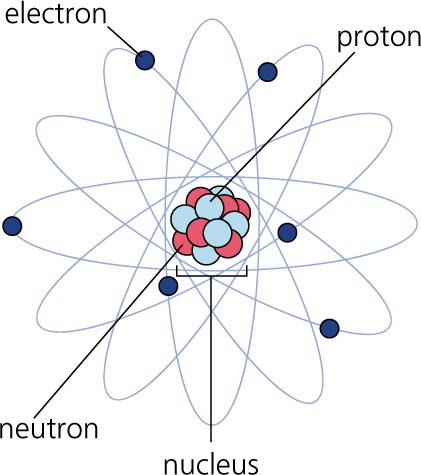
The electron has a ________________ charge
Positive
Negative
Neutral
None
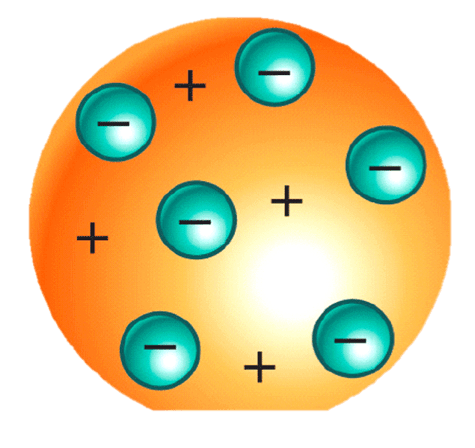
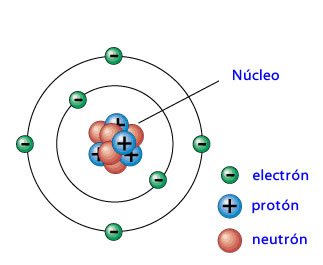
This image represents the atomic model of:
A. Sommerfeld
Niels Bohr
Werner Karl Heisenberg
J.J. Thomson
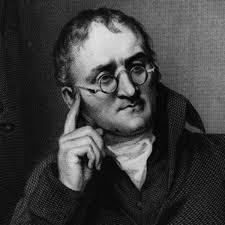
Scientist who proposes that the atom is different for each element, but the atoms of the same element are the same. The atom being a solid ball.
Werner Karl Heisenberg
Arnold Sommerfeld
Jonh Dalton
J.J Thomson
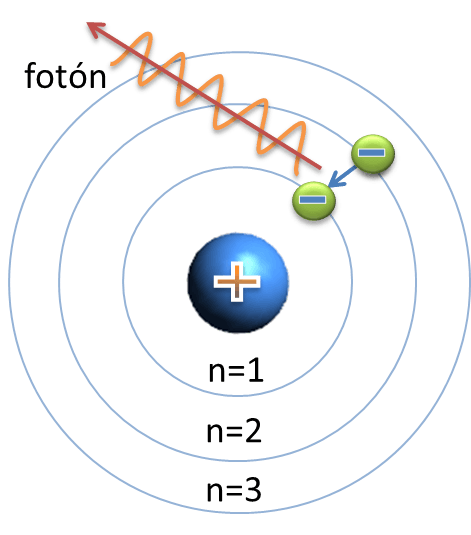
This atomic model (The planetary model) corresponds to the model of:
Demócrito
J.J Thomson
Niels Bohr
E.Rutherford
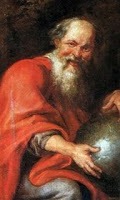
Greek philosopher who states that atoms are indivisible, homogeneous and eternal.
Aristotle
Democrito
Archimide
Empedocles
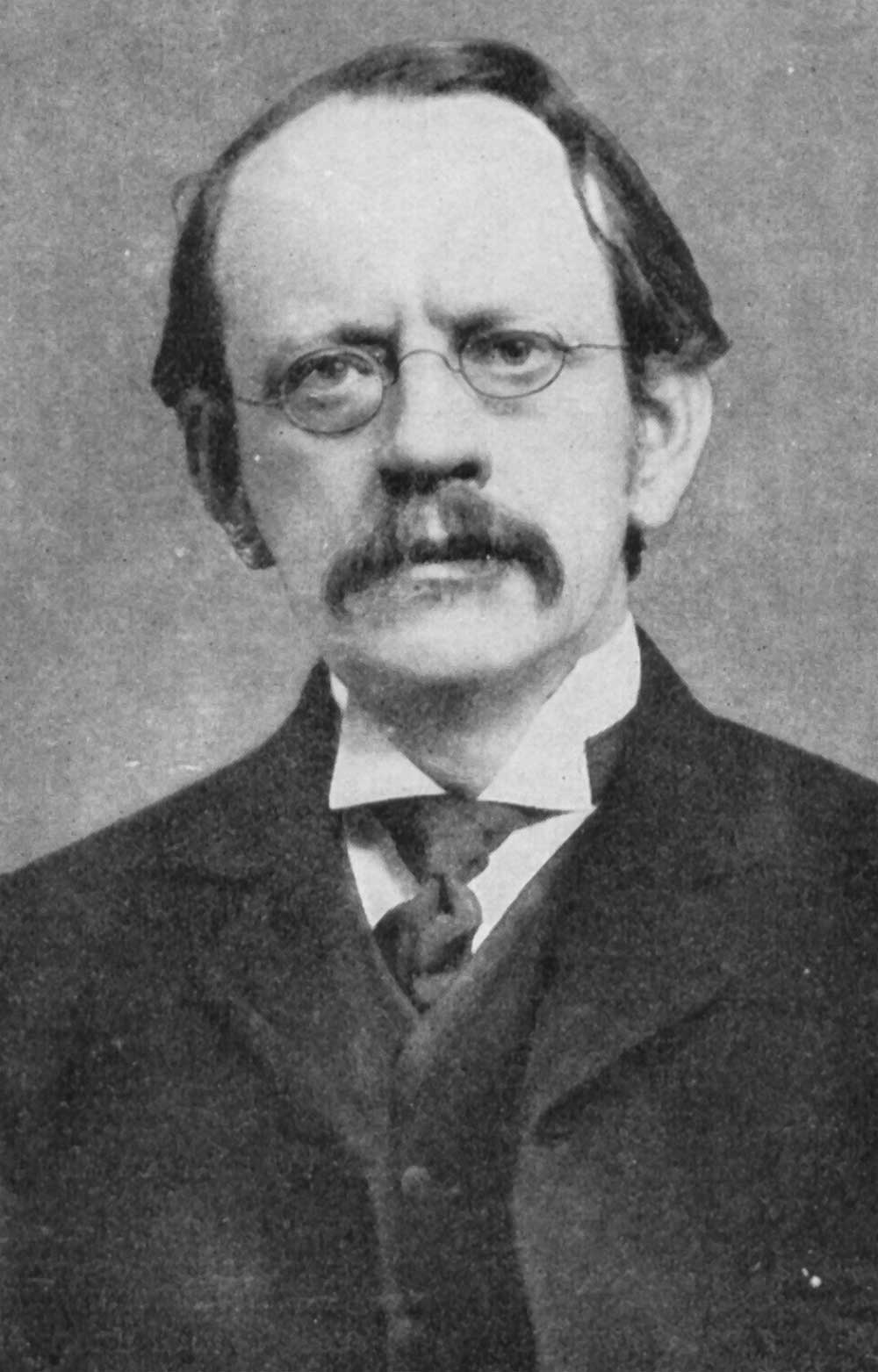
A scientist who establishes the atom as a rigid sphere, with a positive charge and with negative particles embedded, he is called the atomic model of raisin pudding, he was the first to establish the electrical nature of matter.
E. Rutherford
Niels Bohr
J.Dalton
J.J Thomson
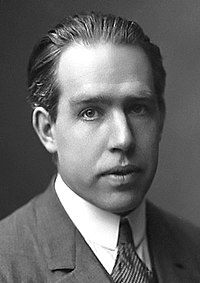
Scientist who establishes that the atom has seven energy levels, each level can hold a certain amount of electrons, and that when the electron moves to another level, energy is released in packages.
Niels Bohr
J.J Thomson
Rutherford
J.Dalton
Scientist who establishes that the atom is electrically neutral.
J.Dalton
Demócrito
J.J Thomson
E.Rutherford.
If Z=32 the quantum electronic configuration ends in
4p2
3p2
4p1
4p3
If Z=35 and has a charge of -1 the quantum electronic configuration end in
4p6
4p4
4p5
4p3
If Z=20 and has a charge +2 the quantum electronic configuration ends in
3p6
3p4
4s2
4s1
For Z= 13 The Valence electrons are
3
13
2
1
For Z=17 It´s most probable charge is
-1
+5
+1
-5
Name of family or group VII A
Halogens
Alcaline Earth metals
Noble Gases
Earth metals
the elements that end in s2 belong to the ___________________ family:
Alcaline Earth metals
Alcaline metals
Transition metals
Inner transition metals
How many Valence electron does the following electronic configuration has [Ar]4s2 3d10 4p1
3
13
1
2
Tin´s electronic configuration is 1s2 2s2 2p6 3s2 3p6 4s2 3d10 4p6 5s2 4d105p2 . What is it´s Valence shell?
5
2
4
14
Check the configurations
A)1s2 2s2 2p4
B) 1s2 2s2 2p1
Which statement is false?
B is more electronegative than A
B has a bigger atomic radius than A
A need more ionization energy than B
A and B belong to the same period
The highest Metallic Character element is
A) Ar (Argon)
B) B (Boron)
C) C (Carbon)
D) Cs (Cessium)
A
B
C
D

Most electronegative element is
Iodine
Fluorine
they are the same
how can I know

Smallest atomic radius element
Phosphorous
Potassium
Depend on the charge
How can I know

The following increasing order of Aluminum, Silicon and Chlorine talks about :
Electronegativity
Atomic radius
Metallic character

Classification of the periodic table
metalloids, dull, shiny
metals, opaque, gases
solid, liquid, gas
metals, non metals, metalloids
Most electronegative element of the periodic table
Oxygen
Francium
Fluorine
Estrontium
Great heat and electricity conductors
Metals
Non metals
Malleables
Shine
Ability to be molded or shaped into sheets
Malleability
Ductility
metallic shine
Metal
Ability to make wires with the element
Metallic shine
Malleability
Ductility
Metal

The atoms in the green stair are called
metals
non metals
metalloides
noble gases
Valence shell and valence electrons of the following configuration 1s2 2s2 2p6 3s2 3p6 4s2 3d1
Valence shell 4 Valence electrons 2
Valence shell 3 Valence electrons 1
Valence shell 3 Valence electrons 7
Valence shell 4 Valence electrons 3
Valence shell and valence electrons of 1s2 2s2 2p6
Valence shell 2 Valence electrons 8
Valence shell 2 Valence electrons 2
Valence shell 2 Valence electrons 6
Valence shell 1 Valence electrons 2
Quantum numbers of 4K 19
n= 4 l= 0 m= 0 s= +1/2
n= 4 l= 0 m= 0 s= -1/2
n= 4 l= 1 m= 0 s= +1/2
n= 3 l= 0 m= 0 s= -1/2
Quantum numbers of 4Fe26
n= 3 l= 2 m= -2 s= -1/2
n= 3 l= 2 m= -2 s= +1/2
n= 4 l= 2 m=-2 s= +1/2
n= 4 l= 0 m= 0 s= -1/2
n= 4 l= 1 m= +1 s= +1/2
These quantum numbers represent the element
As
Se
Ge
Br
n= 4 l= 1 m= +1 s= -1/2
These quantum numbers represent the element
Kr
Ne
Xe
As
"No two electrons in the same atom can have the same set of four quantum numbers"
Pauli´s exclusion primciple
Hund´s rule
Heisenberg´s uncertainty principle
Aufbau´s rule
"The position and momentum of a particle cannot be simultaneously measured with high precision"
Heisenberg´s uncertainty principle
Hund´s rule
Pauli´s exclusion principle
Aufbau´s rule
"When two or more orbitals have the same energy, add electrons singly first, then pair them up"
Unpaired electrons have the same spin
Hund´s rule
Aufbau´s rule
Heisenberg´s uncertainty principle
Pauli´s exclusion principle.

