Worksheets
mutation
Total questions: 84
Worksheet time: 1hrs 5mins
Which type of mutation occurs when there is an addition or removal of a base?
missense mutation
nonsense mutation
frameshift mutation
point mutation

What type of mutation is shown in the diagram?
Point mutation - missense
Frameshift Mutation - deletion
Frameshift Mutation - addition
Point mutation - nonsense
A type of mutation that affect every codon beyond the point of mutation.
Point Mutation
Silent Mutation
Nonsense Mutation
Frameshift Mutation

What type of mutation is this?
Nonsense mutation
Missense mutation
Silent mutation
Frameshift mutation
Occurs when the DNA change does not alter the amino acid sequence of the polypeptide.
Frameshift Mutation
Insertion
Missense mutation
Silent Mutation
TRUE or FALSE. The removal of one base to the DNA sequence might lead to a change on the succeeding (next) codon.
True
False

Name the process happening at number 1 in the diagram.
DNA Replication
Translation
Mutation
Transcription
Which of the following statement is NOT true?
Point mutation involves a chemical change in just one base pair.
Frameshift mutation occurs when there is an addition or removal of a base.
Nonsense mutation occurs when the DNA change creates a stop codon that causes the translation to terminate early.
Point mutation affect every codon beyond the point of mutation .
?


chromosomal mutations cause a segment of the chromosome to repeat itself during replication.
inversion
duplication
translocation
deletion
Point mutation involves
deletion
insertion
duplication
changes in single base pair
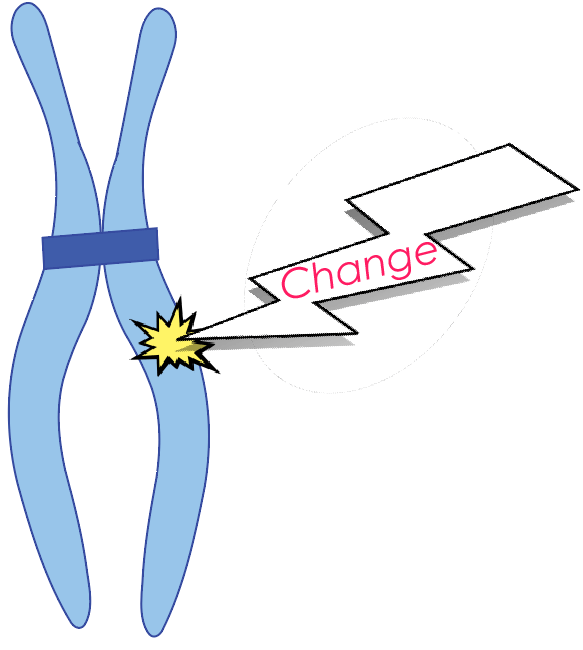
A change in a gene, group of genes or chromosome that results in a change in the proteins
Replication
Mutations
Translation
Transcription

Mutations that effect gametes and that will be passed on
to the next generation
Genetic change
Protein synthesis
Apoptosis
Cell membrane
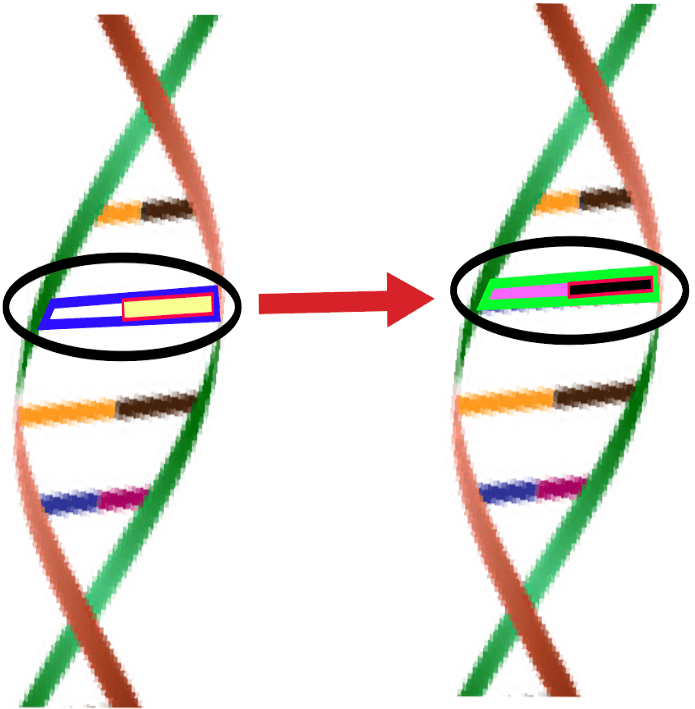
A permanent change in the DNA sequence
which can affect a single gene or group of genes
Homeostasis
Somatic Cell
Chromosomal Mutation
Gene Mutation

One nucleotide base is changed so only one amino acid
is affected
Substitution Mutation
Point Mutation
Translocation
Inverse Mutation

A substitution mutation that has no effect
on amino acids sequence
Insertion Mutation
Translocation
Silent Mutation
Deletion Mutation

A mutation that results in an amino acid change
Translocation
Homeostasis
Silent Mutation
Expressed Mutation

A nucleotide base is inserted or deleted shifting the entire DNA sequence. Entire protein will be changed.
Substitution Mutation
Silent Mutation
Frameshift Mutation
Translocation

A frameshift mutation where a nucleotide base is added
to the DNA sequence
Insertion Mutation
Deletion Mutation
Substitution Mutation
Chromosomal Mutation

Part of a chromosome
is deleted
Deletion Mutation-Gene
Translocation
Deletion Mutation -Chromosomal
Crossing Over

Part of a chromosome is repeated
Gene Mutation
Point Mutation
Deletion Mutation
Duplication Mutation

Failure of homologous chromosomes
to separate during meiosis.
Results in gametes with either one extra or one missing chromosome.
Translocation
Nondisjunction
Replication
Transcription

A point mutation where DNA adenine (A)
is replaced by thymine (T) resulting in a single amino acid change during translation(affects blood cell
shape and function)
Encephelitis
Hemophilia
Sickle Cell Anemia
Influenza
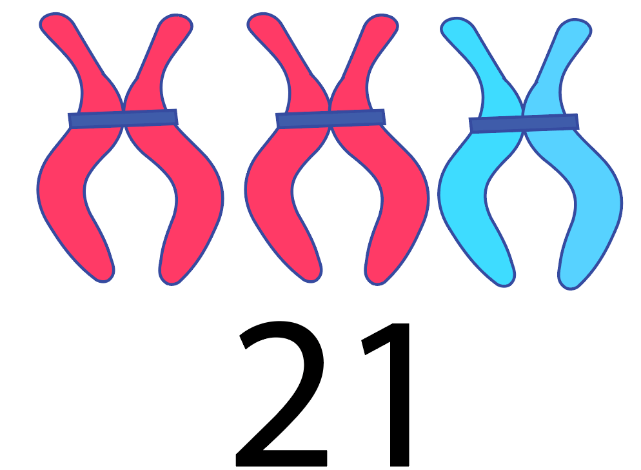
Condition caused by nondisjunction at pair 21 during meiosis.
Individuals have an extra chromosome
at pair 21, or a total of 47 chromosomes.
Also called Trisomy 21.
Cystic Fibrosis
Translocation
Hemophilia
Down Syndrome

Analyzes the inheritability of Sickle Cell Anemia,
a recessive trait that must be passed on
from both parents.
Nondisjunction Punnett Square
Hemophilia Punnett Sqaure
Cyctic Fibrosis Punnett Square
Sickle Cell Anemia Punnett Square
A point mutation where DNA adenine (A)
is replaced by thymine (T) resulting in a single amino acid change during translation(affects blood cell
shape and function)
Encephelitis
Hemophilia
Sickle Cell Anemia
Influenza
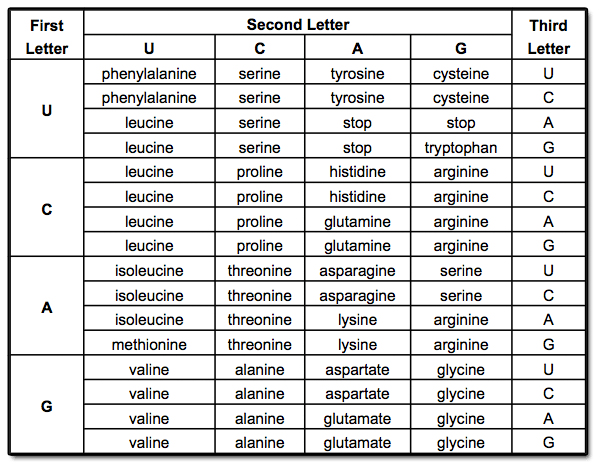


A mutation that occurs in the gametes of an
organism will most likely be transferred to which of
the following?
The siblings of the organism
The offspring of the organism
The other organisms living nearby
The mating partner of the organism
When do random, or spontaneous, mutations happen?
During cell division
When cells are exposed to hazardous chemicals
When cells are exposed to certain viruses
When cells are exposed to radiation
Mutations that effect gametes and that will be passed on
to the next generation
Genetic change
Protein synthesis
Apoptosis
Cell membrane
Peristiwa terjadinya perubahan struktur materi genetik yang dapat diwariskan kepada keturunannya adalah…
Mutagen
Mutagenesis
Mutasi
Mutan
Aberasi
Mutations can benefit humans because they can:
Cause illness
Make an organism more suited to live in its environment.
Make organisms live shorter lives
Cause organisms to grow extra limbs.
ATTTGAGCC- Original
ATTGAGCC - Mutated
The example above is an example of a
Insertion
Point mutation
Deletion
Substitution
Mutations are random.
True
False
Mutations are SOMETIMES helpful to the organism.
true
false
In order for offspring to get a genetic mutation, the mutation must occur in what type of cell?
Cells with no nucleus.
Any body cell after birth.
Cells with no cell wall or cell membrane.
Cells like eggs or sperm cells that are undergoing reproduction.

What mutation has occurred here?
T-G-A-C-C-A
T-G-A-G-C-A
Substitution
Deletion
Insertion
Frameshift

DNA molecule segment is : TTACGCAAG
The mutated DNA segment is TTACGCAAC. This is an example of ___ mutation.
Substitution
Insertion
Inversion
Translocation
What are the building blocks of proteins called?
DNA
RNA
Ribosomes
Amino Acids

ATT-TGA-GCC- Original
ATT-GAG-CC - Mutated
The example above is an example of a
Insertion- Frameshift
Deletion- Substitution
Deletion -Frameshift
All of the above

DNA molecule segment is : TTA-CGC-AAG
The mutated DNA segment is TTC-GCA-AG. This is an example of ___ mutation.
Substitution
Deletion
Insertion
Inversion

Original DNA: CAT GAT CCA
New DNA: CAT TGA TCC A
What mutation occurred?
deletion
substitution
tranverse
insertion
Mutation: ATC GCAT
What mutation occurred?

What type of gene mutation has occurred here? Normal-
AGA-TTC-ATA-GCG
Mutant-
AGA-TTC-AAT-AGC-G
deletion frameshift
insertion frameshift
substitution
nonsense

Why are insertion and deletion mutations so harmful?
They change all of the codons from the mutation on down the line, which changes the amino acid sequence
They insert things that an organism doesn't need.
They often delete things that organisms need.
Insertion and deletions are not any more harmful than substitution mutations.

What is the building block of DNA
Monosaccharide
Amino Acid
Fatty Acid
Nucleotide
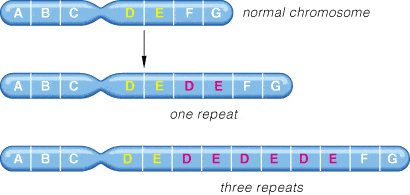

Inversion
When a segment of a chromosome breaks off.
When a segment of a chromosome breaks off, flips, and reattaches.
When a segment of a chromosome is copied or doubles.
When a segment of a chromosome breaks and attaches to a non homologous chromosome.
When entire chromosomes don't separate evenly during meiosis.
Nondisjunction
When a segment of a chromosome breaks off.
When a segment of a chromosome breaks off, flips, and reattaches.
When a segment of a chromosome is copied or doubles.
When a segment of a chromosome breaks and attaches to a non homologous chromosome.
When entire chromosomes don't separate evenly during meiosis.


GAG-CTC-GAC-AGA
Mutant
GAG CTC-CAC-AGA