
 Worksheets
The Chemical Building Blocks of Life
Total questions: 87
Worksheet time: 1hrs 25mins
Which is FALSE?
simple sugars are monosaccharides.
DNA is made up of nucleotides.
Proteins are made of amino acids.
Monomers are made of polymers.

Some proteins are catalysts in chemical reactions, meaning they speed them up. What are these proteins called?
monomers
enzymes
quickens
neutrons
Which is NOT a function of proteins?
They provide a hydrophobic membrane
They act as antibodies in the immune system
They make-up structures such as muscles
They regulate cell processes by helping to speed up chemical reactions (enzymes)
A protein denatures when
temperature rises above functional level
it is placed in an environment with a pH outside of its normal range
when placed in its normal environmental conditions

Which of the following macromolecules is hydrophobic (repels water), and so makes them perfect for forming membranes.
lipids
carbs
proteins
nucleic acids
This macromolecule provides the genetic code to pass on to offspring and the template to make proteins.
carbs
lipids
proteins
nucleic acids
Many amino acids bonded together makes up a
polysaccharide
disaccharide
polypeptide
monomer
Which element below is found in all biomacromolecules?
carbon
nitrogen
phosphorous
sulfur
Which sub atomic particle is found in the shell?
Protons
Electrons
Neutrons
None of the above
A class of biological molecules whose defining characteristic is their non-polar nature. Examples of these include oils and fats.
protein
monomer
lipids
glycogen
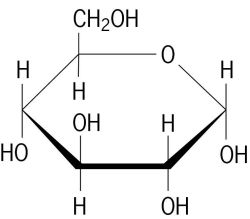

How many neutrons are there in one atom of magnesium?
12
6
24
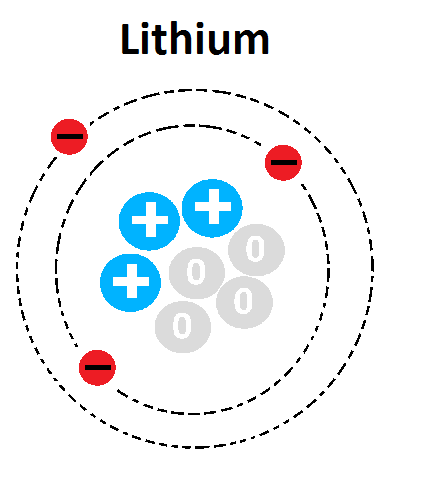
What is the mass number of this atom?
1
3
4
7
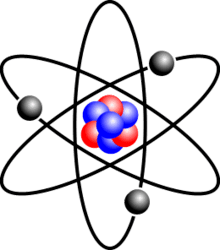
Which subatomic particle has a negative charge in the atom?
proton
neutron
electron
quark
The central region of an atom where its neutrons and protons are is its
nucleus
electron cloud
core
center
An atom with atomic number 6 would have how many protons
6
12
3
cannot be determined
Particles in an atom that are neutral and have no charge are
negatrons
electrons
neutrons
protons
True or False: Neutrons have a negative charge
True
False

What does the 1.00794 stand for?
Hydrogen
atomic number
atomic mass
atomic explosion
What subatomic particles would you find in the nucleus of an atom?
Protons only
Protons and Neutrons
Neutrons and Electrons
Protons and Electrons
What subatomic particle(s) would be found orbiting the nucleus?
Neutrons only
Electrons only
Protons and Neutrons
Protons and Electrons
Anything that has mass and takes up space is called
heterogeneous
homogeneous
matter
density
Valence electrons are found
in the innermost energy level of an atom
in the middle energy levels of an atom
in the outermost energy levels of an atom
When an atom loses an electron, it becomes a
positive ion
negative ion
neutral ion
neutral atom
TRUE OR FALSE:
Hydrogen bonds are very strong interactions between two atoms.
True
False

The Oxygen atoms in the molecule shown have this charge:
Positive
Partial Positive
Negative
Partial Negative
The Hydrogen atoms in the molecule shown have this charge:
Positive
Partial Positive
Negative
Partial Negative
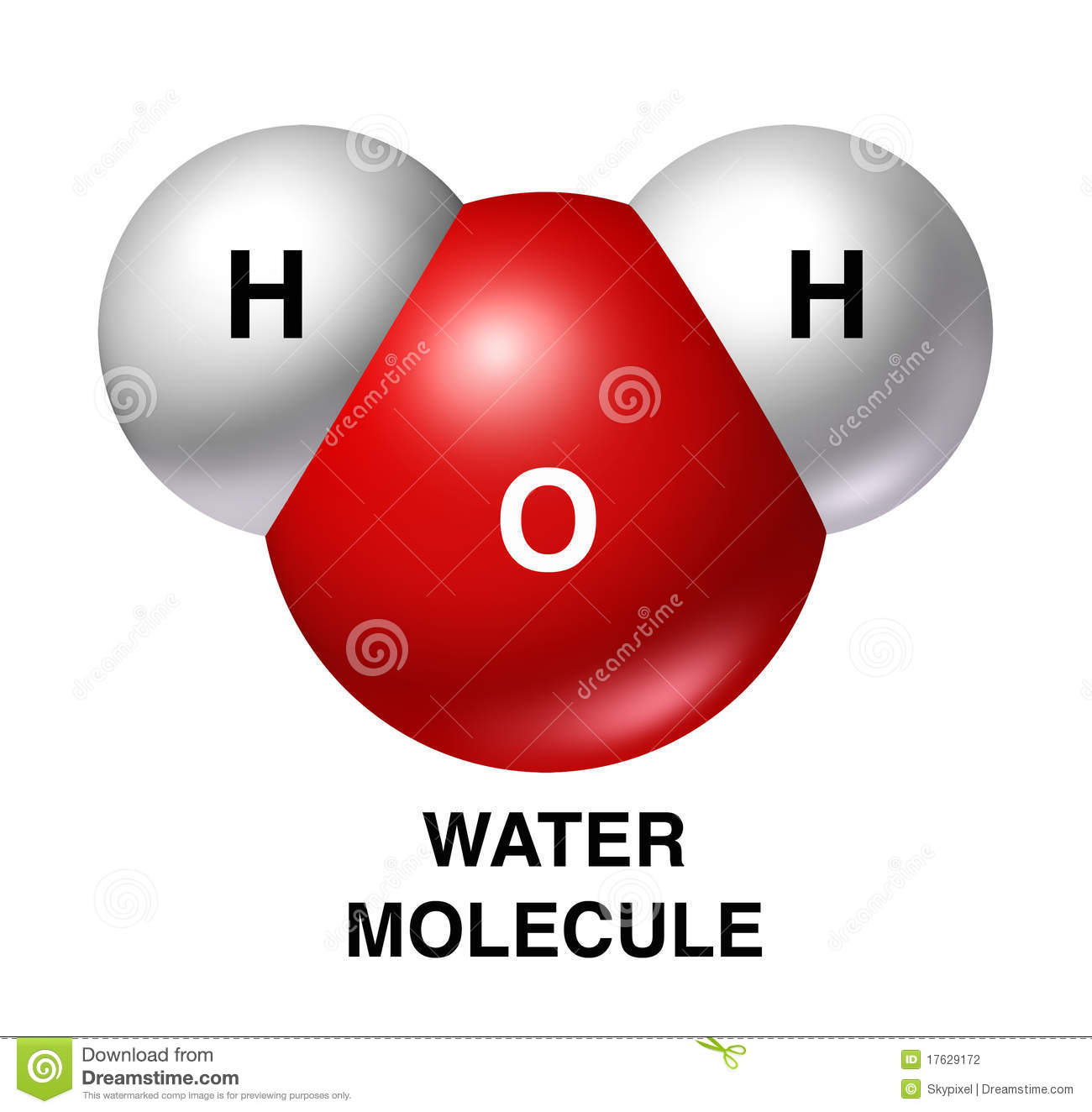
Which part of a water molecule has a Positive Charge?
The Hydrogen
The Oxygen
The Top
The Bottom
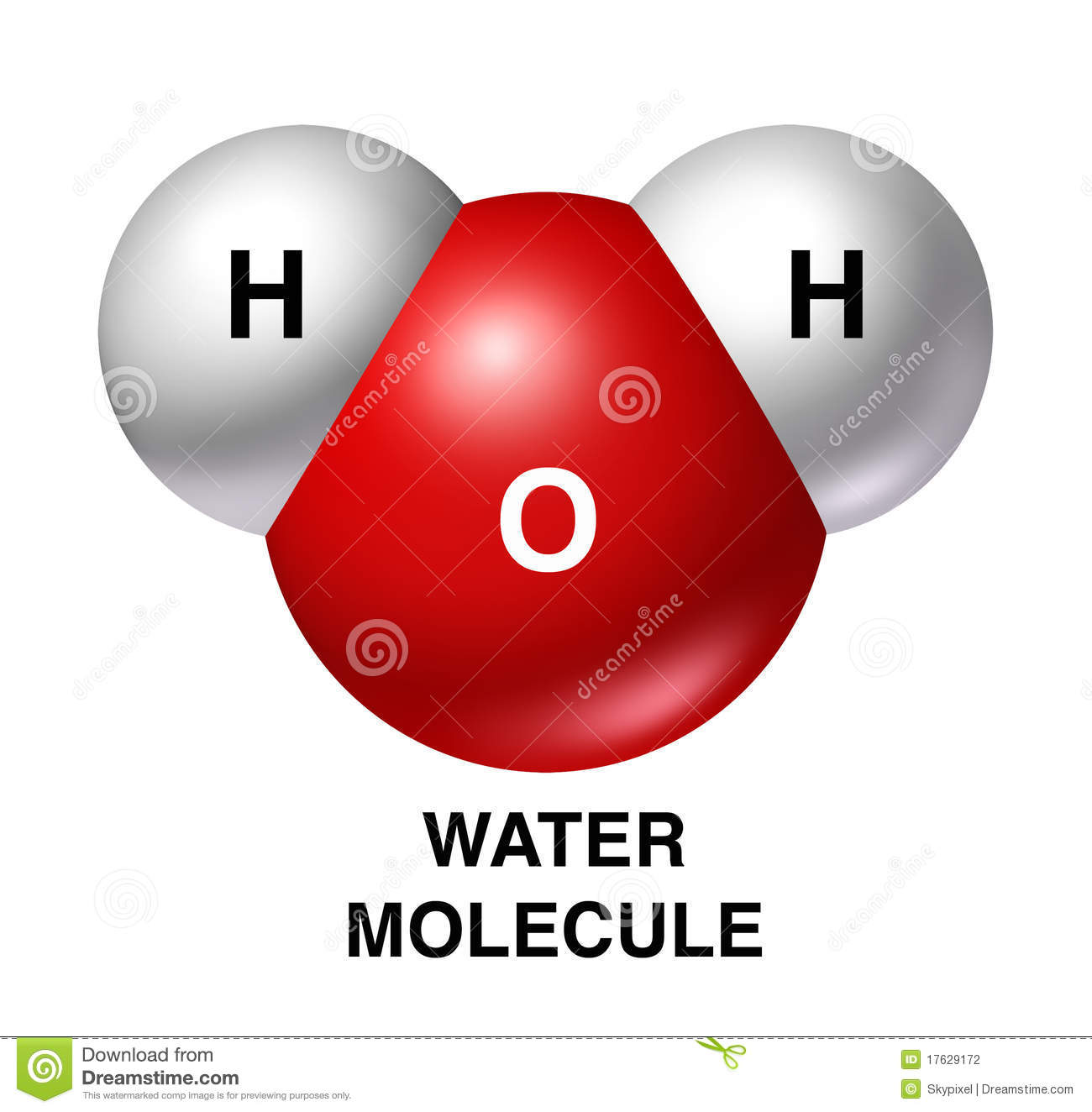
Which part of a water molecule has a Negative Charge?
The Hydrogen
The Oxygen
The Left
The Right
What is the correct chemical formula for water?
H2O
HO2
H2O2
2H1O
Which of the following is an example of COHESION?
water sticking to water
water sticking to glass
oil sticking to plastic
hydrogen sticking to oxygen
Water is polar. What does that mean?
it is a molecule with opposite charges on opposite ends
it is a molecule with no charge
it is a molecule with identical charges on opposite ends
it is a molecule with too many protons
Water sticks well to many materials. What term relates to this property of water?
cohesion
adhesion
density
surface tension
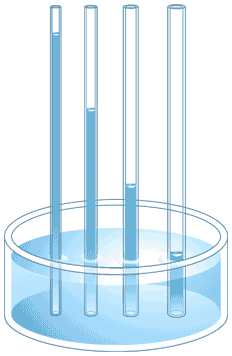
What is the term for water's ability to defy gravity and climb up a tube?
Capillary Action
Specific Heat
Universal Solvent
Magic
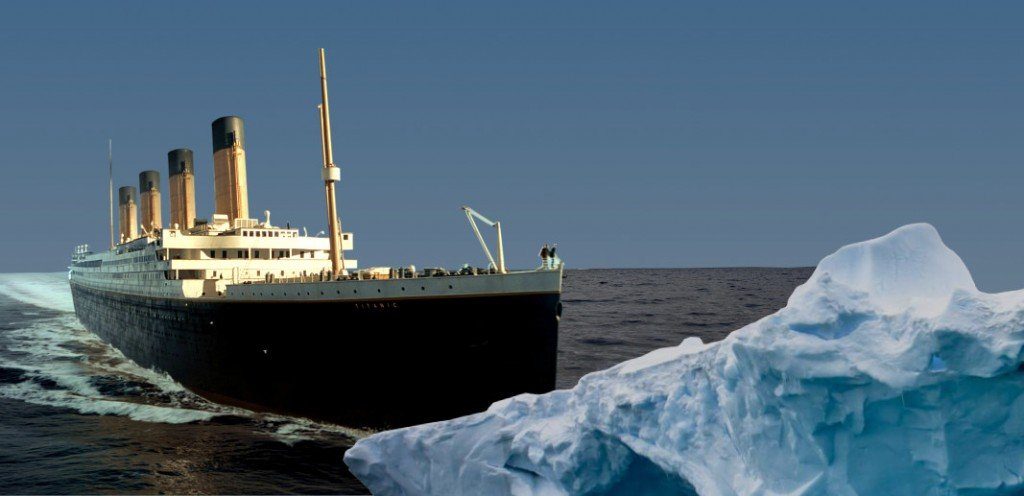
Why does ice float?
water expands when it freezes, making ice less dense than water
water compacts when it freezes, making ice more dense than water
hydrogen bonds in water push the ice to the surface
ice is afraid of water, and avoids it
At what temperature does water Freeze?
0o C
100o C
32o C
-273o C

What are the bonds called between a slightly positive hydrogen in a polar molecule and a negatively charged atom?
Hydrogen Bonds
Water Bonds
Covalent Bonds
Bail Bonds

A water strider can skate along the top of a pond because:
covalent bonds result in water cohesion (surface tension)
hydrogen bonds result in water cohesion (surface tension)
water striders have adapted to take advantage of water cohesion
water striders are afraid of water and avoid it
At what temperature does water Boil?
0o C
100o C
32o C
212o C
Neutral solutions have a pH of:
0
1
7
14

Vinegar, fruit juice, and cola are examples of:
strong acids
strong bases
strong bases
weak acids
NaOH may be found in drain cleaners and as a component of soaps. Is NaOH an acid or a base?
Acid
Base
Neither (Neutral)

HCl is found in household products, including some toilet bowl cleaners. Is HCl an acid or a base?
Acid
Base
Neither (Neutral)
A sour taste is a characteristic of:
acids
bases
neutral
pH scale
Which is a characteristic of a base?
tastes sour
found mostly in foods
feels slippery
turn litmus paper red
pH is the measure of the concentration of ______.
Acids
H+ ion
OH- ion
Bases
What does pH measure?
the amount of hydrogen (H+) ions
the amount of hydroxide (OH-) ions
amount of water
all of the above
Enzymes
speed up chemical reactions
slow down chemical reactions
do nothing to a chemical reaction
How does an enzymes shape relate to its function?
the shape of the enzyme has no relation to its function
the enzyme is shaped specially for certain substrates to perform a specific reaction
the enzyme shape acts as a receptor to certain products
the enzyme shape can fit into specific substrates to cease a reaction

A is the
substrate
enzyme-substrate complex
products
B is the
substrate
enzyme-substrate complex
products
C is the
substrate
enzyme-substrate complex
products
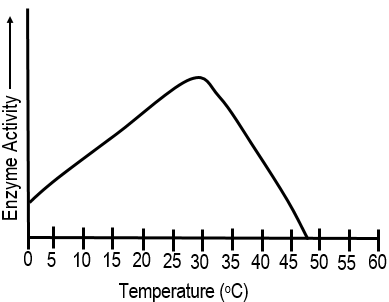
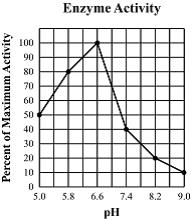
What can affect enzyme ability? (select all that apply)
temperature
inhibitors
pH
enzyme potential
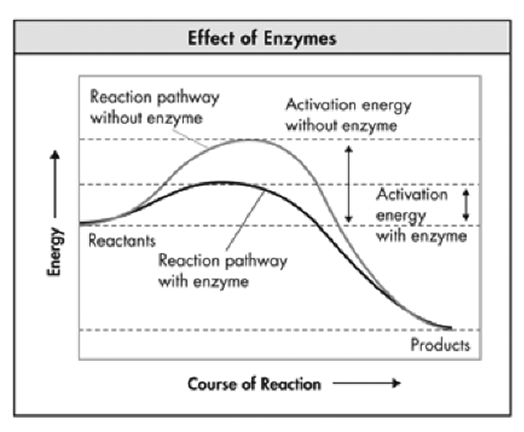
An enzyme ________ the activation energy needed for a reaction to occur.
decreases
increases
does nothing to
increases then decreases
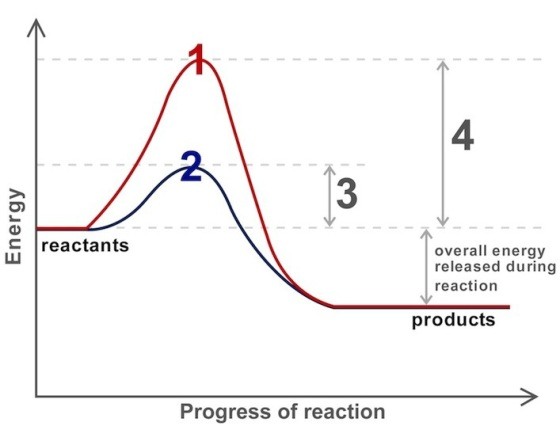
Which color line represent a reaction with an enzyme present?
Blue
Red
Both
Neither
The enzyme and substrates have
adverse shapes
complementary shapes
contrary shapes
similar shapes
The specific location where the substrates bind to the enzyme is called the
specific site
appropriate site
active site
ignition site


How many electrons are in the valence shell of Aluminum?
1
3
5
15

How many electrons are in the valence shell of Bromine
1
4
7
8

What is the atomic number of Americium?
95
243
148
13

How many protons are in one atom of argon?
18
9
39
40

How many electrons are in one atom of chlorine?
17
8
35
36

How many neutrons are in one atom of boron?
5
10
11
6

