Wayground logo

Free Printable Worksheets

Font size

S
M
L
XL
Worksheets

unit 1 2021 test review AP Biology

Total questions: 65

Worksheet time: 1hrs 27mins

Name
Class
Date
1.

Large molecules made up of small monomers are called

a)

polymers

b)

peptides

c)

peptones

d)

monomers

2.
What biomolecule do enzymes belong to? 
a)
Carbohydrate
b)
Lipid
c)
Nucleic Acid
d)
Protein
3.
Which biomolecule is a main source of quick energy?
a)
Nucleic Acid
b)
Protein
c)
Lipid
d)
Carbohydrate
4.
Which biomolecule is found in fats, oils, and waxes and is a source of long-term energy? 
a)
Proteins
b)
Nucleic Acid
c)
Lipids
d)
Carbohydrate
5.
What is the function of a nucleic acid?
a)
Stores genetic information
b)
Stores energy
c)
Quick source of energy
d)
Builds structures
6.
Carbon, Hydrogen, Oxygen and Nitrogen are elements in what biomolecule?
a)
Carbohydrate
b)
Lipid
c)
Protein
d)
Nucleic acid
7.
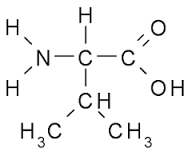
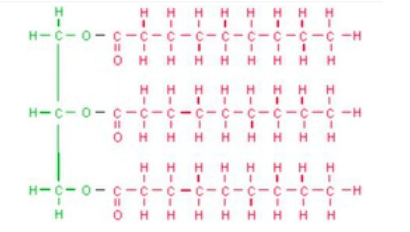
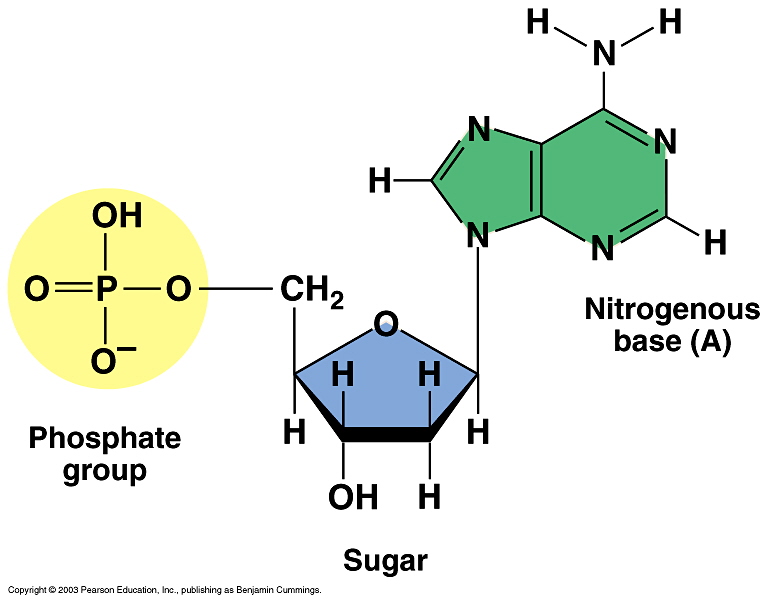
Which biomolecule is this a picture of?
a)
Protein
b)
Nucleic Acid
c)
Lipid
d)
Carbohydrate
8.
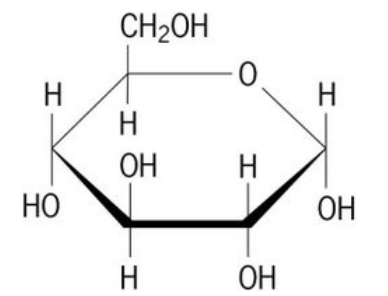
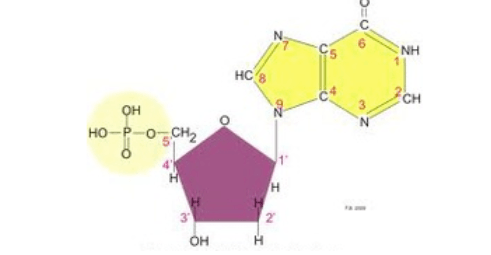
Which biomolecule is this a picture of?
a)
Protein
b)
Nucleic Acid
c)
Lipid
d)
Carbohydrate
9.
Which biomolecule is responsible for insulation and LONG term energy storage?
a)
Proteins
b)
Nucleic Acids
c)
Lipids
d)
Carbohydrates
10.
Which of the following is NOT a biomolecule?
a)
Water
b)
Nucleic Acid
c)
Protein
d)
Lipid
11.
One of the building blocks of lipids, the triglyceride, is composed of
a)
3 Fatty Acids and 3 Glycerol
b)
1 Fatty Acid and 3 Glycerol
c)
3 Fatty Acids and 1 Glycerol
d)
1 Fatty Acid and 3 Glycerol
12.

Which type of biomolecule is not a polymer?

a)

Lipid

b)

protein

c)

enzyme

d)

starch

13.
Which of the following elements is required in an organic compound?
a)
nitrogen
b)
oxygen
c)
carbon
d)
sodium
14.
The equations below represent two biochemical processes, A and B. 
Equations
(A) glucose + glucose --> maltose + water
(B) amino acid + amino acid --> dipeptide + water

Which statement about processes A and B is correct?
a)
Processes A and B are examples of dehydration synthesis.
b)
Process A is an example of hydrolysis,  but process B is an example of dehydration synthesis.
c)
Process B requires enzymes, but process A does not.
d)
Processes A and B are examples of hydrolysis.
15.
The following equation represents the digestion of a protein.
Peptide + Water  --->  Amino acid + Amino Acid 
What type of reaction does this demonstrate?
a)
dehydration synthesis
b)
combustion
c)
hydrolysis
d)
single replacement
16.
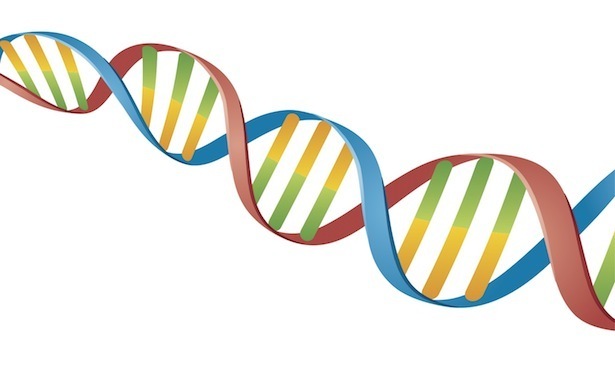
The following diagram shows how DNA is a self-replicating molecule.
Nucleotides join together to create a long strand of DNA. Which of the following best describes this chemical reaction?
a)
dehydration synthesis
b)
protein synthesis
c)
hydrolysis
d)
photosynthesis
17.

amino acids are the building blocks of -----------

(a)  

18.

Protein is great source of Energy (true or false)

a)

True

b)

False

c)

If you pick the wrong answer you will be cancelled

d)

Seriously if you get this question wrong I will quit my job (that I love) and work at the mall.

19.

Which of the following is NOT a monosaccharide?

a)

starch

b)

fructose

c)

glucose

d)

galactose

20.

Which polysaccharide is used by plants to store glucose?

a)

glycogen

b)

cellulose

c)

starch

d)

chitin

21.

Lactose is composed of

a)

glucose + fructose

b)

glucose + glucose

c)

glucose + sucrose

d)

glucose + galactose

22.

What is the polysaccharide used by animals to store glucose?

a)

glycogen

b)

fructose

c)

starch

d)

cellulose

23.

Which polysaccharide is used by plants to make their cell wall?

a)

starch

b)

glycogen

c)

cellulose

d)

chitin

24.

Which polysaccharide makes up the exoskeleton of insects?

a)

cellulose

b)

starch

c)

chitin

d)

glycogen

25.
Which type of carbohydrate is this?
a)
monosaccharide
b)
disaccharide
c)
polysaccharide
d)
glyceride
26.
Which type of carbohydrate is this?
a)
monsaccharide
b)
disaccharide
c)
polysaccharide
d)
glyceride
27.
What type of carbohydrate is this?
a)
polysaccharide
b)
disaccharide
c)
monosaccharide
d)
it isn't a carbohydrate
28.

Nucleic acids are mad up of nucleotide. What is the structure of a nucleotide?

(hint: look for a 5-Carbon Sugar Molecule)

a)
b)
c)
d)
29.

A fat that is solid at room temperature. (ex. Animal fat)

a)

Saturated Fat

b)

Supersaturated Fat

c)

Unsaturated Fat

d)

I haven't answered a question since the first one

30.

A fat that is liquid at room temperature because of the kinks in the molecule. (ex. Plant oils)

a)

Supersaturated

b)

Unsaturated

c)

Saturated

d)

I am playing games on my phone now.

31.
The diagram shows a bond forming between two amino acids. What is the name of this reciprocation?
a)
Dehydration Synthesis
b)
Hydrolysis
c)
Pepysis
d)
Oxidation
32.
Steroids have what kind of structure?
a)
long chain of hydrogen/carbons with a glycerol group
b)
CHO in a hexagonal shape
c)
4 fused rings
d)
polar head and two fatty acid tails
33.
Lipids are classified by their ______________
a)
size
b)
color
c)
taste 
d)
structure
34.
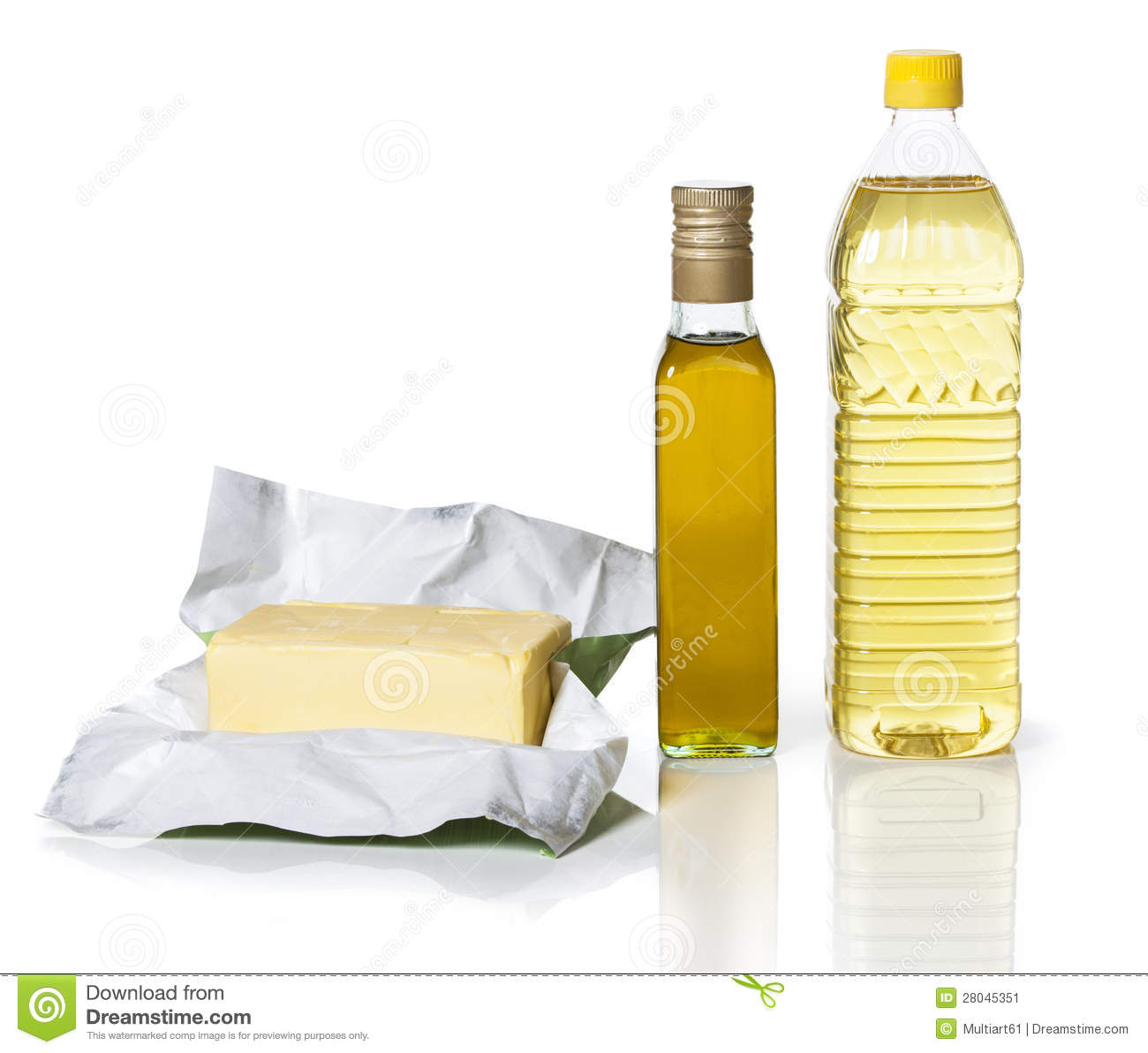
An example of an unsaturated fat would be ________
a)
butter
b)
meat fat
c)
vegetable oil
d)
scrapple
35.
Rank the three types of fat in order from most to least healthful
a)
Trans, unsaturated, saturated
b)
Unsaturated, saturated, trans
c)
Unsaturated, trans, saturated
d)
Saturated, unsaturated, trans
36.
The label on a container of margarine lists "hydrogenated vegetable oil" as the major ingredient. What is the result of adding hydrogens to vegetable oil?
a)
The hydrogenated vegetable oil is less likely to clog arteries.
b)
The hydrogenated vegetable oil has more "kinks" in the fatty acid chains.
c)
The hydrogenated vegetable oil has fewer trans fatty acids.
d)
The hydrogenated vegetable oil stays solid at room temperature.
37.
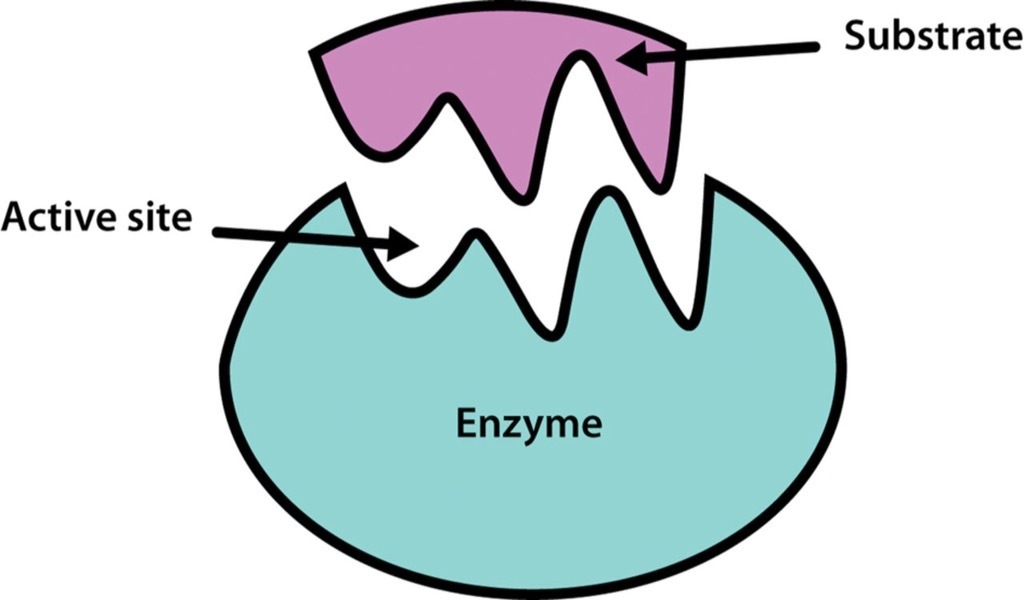
What happens when enzymes are heated to a high temperature?
a)
The enzymes die.
b)
The shapes of the enzyme are altered or denatured
c)
The enzymes' amino acid sequence changes.
d)
The enzymes remain the same
38.
Carbon, Hydrogen, Oxygen and Nitrogen are elements in what biomolecule?
a)
Carbohydrate
b)
Lipid
c)
Protein
d)
Nucleic acid
39.
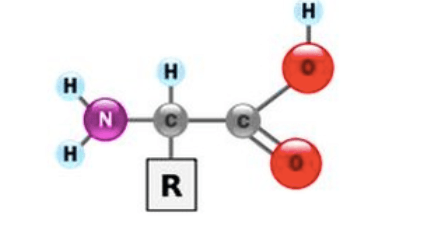
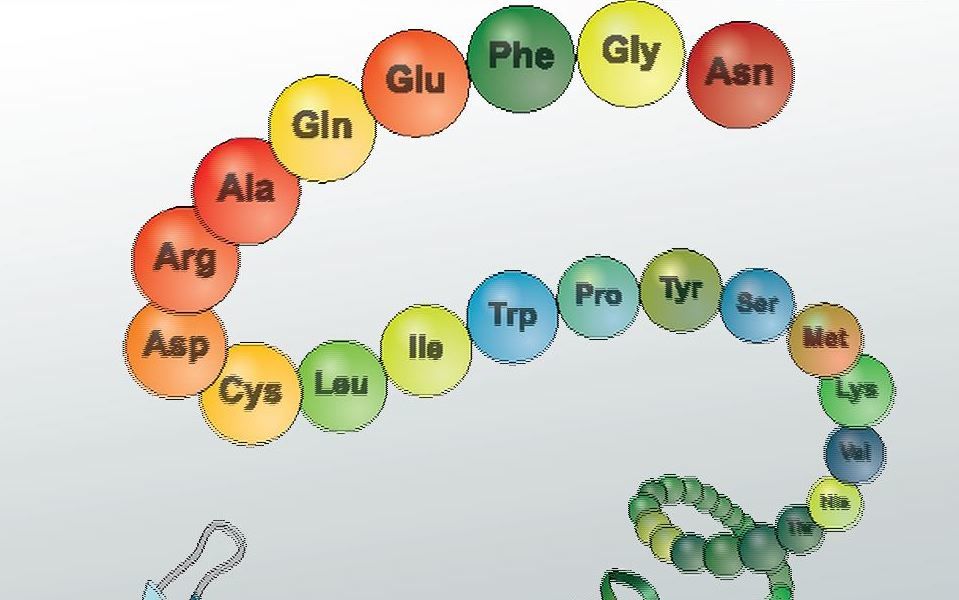
Which biomolecule is this a picture of?
a)
Protein
b)
Nucleic Acid
c)
Lipid
d)
Carbohydrate
40.
Which biomolecule is this a picture of?
a)
Protein
b)
Nucleic Acid
c)
Lipid
d)
Carbohydrate
41.
Which biomolecule is this a picture of?
a)
Protein
b)
Nucleic Acid
c)
Lipid
d)
Carbohydrate
42.
Identify the biomolecule
a)
Lipid
b)
Protein
c)
Carbohydrate
d)
Nucleic Acid
43.
Structures like an α-Helix are formed because of:
a)
Hydrophobic Interactions
b)
DiSulphide Bridges
c)
Salt Bridges
d)
Hydrogen Bonding
44.
The amino acid that results in disulphide bridges is:
a)
Cysteine
b)
Alanine
c)
Glutamic Acid
d)
Valine
45.
The structure of proteins can be changed by environmental factors such as temperature or pH.
a)
True
b)
False
46.
Matter can not be created nor destroyed: it can only be
a)
Destroyed a little bit
b)
Invisible
c)
Transformed, changed
d)
None of the above
47.
The name of the initial chain of monomers in a protein is called.....
a)
polypeptide
b)
polysaccharide
c)
polyester
d)
polynucleotide
48.

The main bonding in the secondary structure of a protein is due to.....

a)

covalent bonding

b)

ionic bonding

c)

hydrogen bonding

d)

polar bonding

49.

The tertiary structure folding in proteins is primary due to the interactions of....

a)

the 'R' groups

b)

the 'P' groups

c)

the 'A' groups

d)

the 'S'

50.

What is the basis of hydrogen bond?

a)

Attraction forces between hydrogen atom bonded with another hydrogen atom

b)

Attraction forces between hydrogen atom bonded with a high electronegativity atom (F, O, N)

c)

Attraction forces between hydrogen atom bonded with a high electronegativity atom (F, O, N) with atom (F, O, N) of another molecule

d)

Attraction forces between hydrogen atom with another hydrogen atom of another molecule

51.

Can ammonia, NH3 form hydrogen bonds?

a)

Yes

b)

No

52.
Large bodies of water do not quickly fluctuate in temperature. Why?
a)
Water is a solvent.
b)
Water has a high heat capacity.
c)
Water acts as a buffer.
d)
Water is non-polar.
53.
Water is a universal solvent because it...
a)
It can be found anywhere
b)
It freezes when it gets cold
c)
floats when frozen
d)
Dissolves most substances
54.
The fact that ice floats on liquid water is due to the fact that water's solid is ___________ than it's liquid form
a)
less polar
b)
more polar
c)
less dense
d)
more dense
55.
Which statement explains why water molecules stick together?
a)
both sides are negative
b)
one side has a positive charge and the other side has a negative charge
c)
one side has a negative charge adn the other side has a neutral charge
d)
both sides are positive
56.

Which of the following is incorrect about formulating hypothesis?

a)

There should always be an equal sign in the null hypothesis

b)

The null hypothesis usually corresponds to the assumption that no change occurs.

c)

The choice of the alternative hypothesis depends on the purpose of the test.

d)

The alternative hypothesis usually corresponds to the assumption that no change occurs.

57.

Suppose the P-value for a hypothesis test is 0.0304. Using a = 0.05, what is the appropriate conclusion?

a)

a) Reject the null hypothesis

b)

b) Reject the alternative hypothesis

c)

c) Fail to reject the null hypothesis

d)

d) Fail to reject the alternative hypothesis

58.
This part of the experiment serves as a basis of comparison; the one variable being tested has been omitted. 
a)
experimental group
b)
control group
c)
data
d)
variables
59.
This variable in an experiment is the one being deliberately changed by the scientist. 
a)
dependent variable
b)
independent variable
c)
data
d)
control group
60.

How many variables do we want to test/change during a controlled experiment?

a)

1

b)

2

c)

3

d)

4

61.

A custodian notices some dirty tables and wants to know which cleaner is the best to use. He tests three different cleaners and looks at how well they clean compared to tap water. What is the independent variable?

a)

type of cleaner

b)

tap water

62.

An experiment is being done to determine how light affects the growth of small zinnia plants. One plant is placed in full sunlight, the second in a shaded area, the third in an unlit closet. What is the independent variable in the experiment?

a)

the amount of light

b)

plant in the closet

63.

A custodian notices some dirty tables and wants to know which cleaner is the best to use. He tests three different cleaners and looks at how well they clean compared to tap water. What is the control group?

a)

type of cleaner

b)

tap water

64.

Hypothesis: If plants are watered more than normal, then growth height will increase. What is the control group?

a)

the amount of water

b)

a plant receiving the normal amount of water

65.

Mrs. Short wanted to see how different types of music affected students' pulse rates. She played different types of music: heavy metal, rap, R&B, alternative, pop, country, and classical music. What extraneous variable should she consider when writing her procedure? (ideally, there should be more than one)

a)

types of music

b)

use all dead people

c)

using a different student for each music type

d)

amount of time the music is played