wayground logo

Free Printable Worksheets

NEW

Font size

S
M
L
XL
Worksheets

Cells and Cell Theory

Total questions: 33

Worksheet time: 29mins

Name
Class
Date
1.
Robert Hooke, Anton van Leeuwenhoek, Theodor Schwann, Rudolf Virchow, and Matthias Schliden were all responsible for what theory?
a)
The Theory of Gravity
b)
The Theory of Relativity
c)
The Cell Theory
d)
The Theory of Continental Drift
2.
What tool do you use to view the cells?
a)
metric ruler
b)
centrifuge
c)
microscope
d)
telescope
3.
Which of the following is NOT a cell theory.
a)
All non-living things are made of cells
b)
All cells come from pre-existing cells
c)
Cells are the basic unit of structure and function of all living things
4.
All living things are made up of...
a)
cells
b)
cell tissues
c)
organ
d)
organ systems
5.
All cells come from___________ cells.
a)
pregnant
b)
pre-existing
c)
paternal
d)
pin size
6.
Rocks are not living because
a)
they never move
b)
they aren't needed for humans
c)
they are not made of cells
d)
they don't break down
7.
What is the basic structural and functional unit of all living things? 
a)
atom
b)
cell
c)
molecule
d)
human
8.
All cells are produced ____________.
a)
From pre-existing and deceased cells
b)
from other pre-existing cells
c)
Cells can come from anywhere, as long as there is the sun.
9.
An organism made of one cell is called
a)
unicellular organism
b)
multicellular organism
10.
What is one way in which all living things on Earth are alike?
a)
All living things have hair.
b)
All living things are made of cells and come from other cells.
c)
The cells of all living things have chloroplast.
d)
All living things can move. 
11.
Which of the following statements is not part of the cell theory?
a)
Cells are the basic unit of structure and function in all living things.
b)
All cells are produced from other cells.
c)
Only animal cells are composed of cells.
d)
All living things are composed of cells.
12.
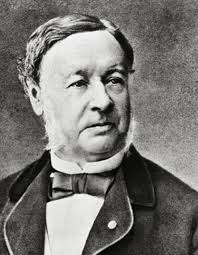
Which of the following scientists concluded that all animals are made of cells?
a)
Rudolf Virchow
b)
Matthais Schleiden
c)
Robert Hooke
d)
Theodor Schwann
13.
Which of the following scientists was the first to observe bacteria under a microscope?
a)
Anton van Leuwenhoek
b)
Matthais Schleiden
c)
Robert Hooke
d)
Theodor Schwann
14.
what is a cell classified as?
a)
a basic unit of structure and function of all living organisms
b)
a unit based on only plants and animals that are living
15.
How are unicellular organisms different from multicellular organisms? 
a)
There are no differences.
b)
They are made of many cells. 
c)
They are only classified as prokaryotes.
d)
They are made of only one cell. 
16.

Who was the first person to view and name "cells" when he observed cork cells?

a)

Hooke

b)

Virchow

c)

Schleiden

17.

Who stated that cell come from cells after viewing cell division.

a)

Schwann

b)

Hooke

c)

Virchow

18.

The Cell Theory states:

a)

all living things are made of two or more cells

b)

all living things are made of one or more cells

c)

ll living things are not made of cells.

19.
The invention of the microscope made it possible for people to discover and learn about
a)
Plants
b)
Skin 
c)
Animals 
d)
Cells
20.
Which scientist did NOT contribute to the cell theory?
a)
Anton Van Leeuwenhoek
b)

Robert Hooke
c)
Albert Einstein 
d)

Matthias Schleiden
21.
Who was the "scientist" who observed pond water and teeth scrapings in his microscope?
a)
Hooke
b)
Leeuwenhoek
c)
Schleidian
d)
Virchow
22.
Why are microscopes important when studying most cells?
a)
Most cells are very large.
b)
Most cells are very small.  
c)
Most cells move very quickly.
d)
Most cells are dead.  
23.

When cells are damaged, new cells are created by cell a process called cell division. How does the cell theory support this fact?

a)

It states that all cells have a nucleus which divides.

b)

It states that all living things are made up of one or more cells.

c)

It states that cells come from previously existing cells.

d)

It states that the basic units of structure and function are cells.
24.
All eukaryotes and prokaryotes are surrounded by a _____.
a)
cell wall
b)
cell membrane
c)
cell envelope
d)
loving, supportive family
25.
What type of cell has a nucleus? 
a)
eukaryotic
b)
prokaryotic 
26.
Plants and animal cells are examples of ___ cells 
a)
prokaryotic cells 
b)
eukaryotic cells 
27.
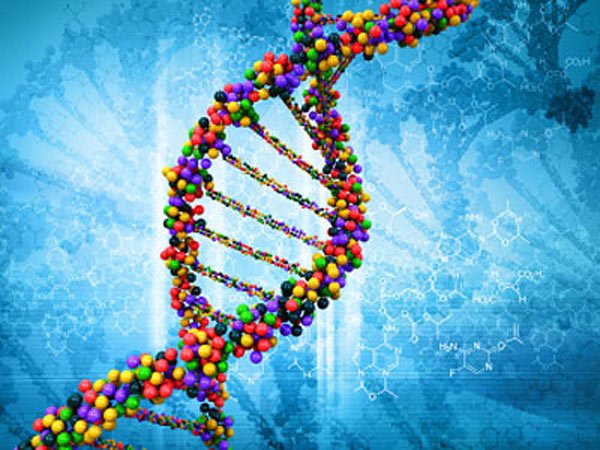
What is the name of the genetic material that is inside the nucleus?
a)
ER
b)
ATP
c)
YOLO
d)
DNA
28.
What is the gel-like substance inside of cells called?

a)
photoplasm
b)
photosynthesis
c)
cytoskeleton
d)
cytoplasm
29.
Bacteria are what type of organisms? 
a)
Prokaryotes
b)
Eukaryotes
30.
Most organisms are classified as prokaryotes.
a)
True
b)
False
31.

Who stated that cell come from cells after viewing cell division.

a)

Schwann

b)

Hooke

c)

Virchow

32.

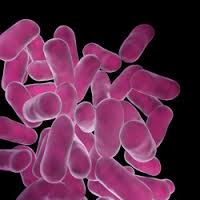
This cell is a prokaryote because it

a)

contains a nucleus

b)

has cytoplasm

c)

contains no nucleus

d)

has genetic material

33.

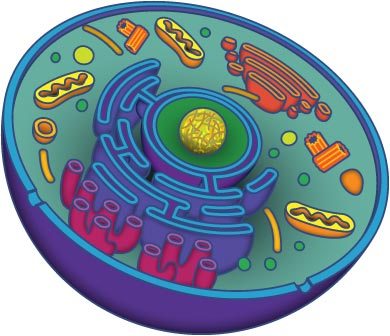
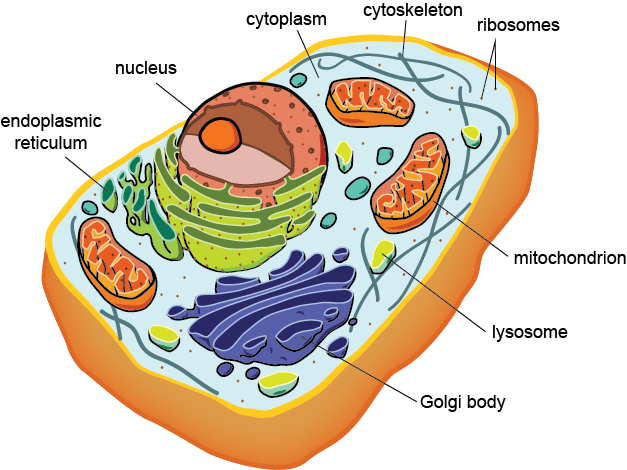
This cell is a eukaryote because it

a)

contains cytoplasm

b)

has a nucleus

c)

has no nucleus

d)

has DNA