
 Worksheets
CIRCULATORY SYSTEM
Total questions: 45
Worksheet time: 27mins
Which of the following is NOT part of the circulatory system?
heart
blood
bones
arteries
Which of the following is a connection between the circulatory system and the muscular system?
the heart is composed of cardiac muscle
the heart makes calcium to give to muscles
muscles create blood cells that get circulated through body
the two systems are not connected
The FORCE of heart contractions is ....
heart rate
blood pressure
pulse
respiratory rate
Which of the following is NOT a function of the circulatory system?
circulate blood
regulate calcium production
carry nutrients and hormones through blood stream
deliver oxygen to tissues
Which is not a type of blood vessel?
arteries
veins
bone marrow
capillaries
What structure doesn't belong in the circulatory system?
Blood
Blood vessels
Heart
Voluntary muscle
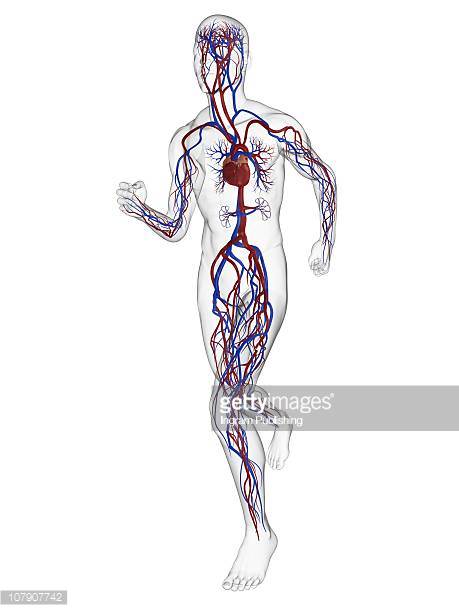
What is the main organ of the circulatory system?
small intestine
bone
lungs
heart
Veins carry oxygen poor blood back to the heart.
False
True
The heart is about the size and shape of your . . .
HEAL OF FOOT
2 FIST ENTWINED
HAND MINUS FINGERS
FOOT MINUS TOES
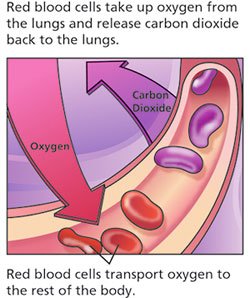
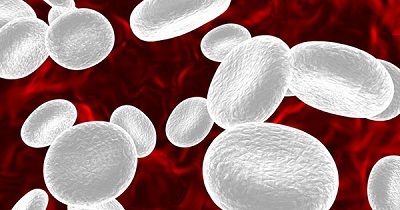
What part of blood which is donut shaped is responsible for carrying oxygen and carbon dioxide to body cells?
Red Blood Cells
White Blood Cells
Platelets
Plasma
Blood is carried back to your heart in little tubes called ____________.
veins
arteries
hoses
Your heart pumps blood throughout your entire body through little tubes called _____________.
veins
arteries
hoses
You can feel your heart beating when you feel your _____________.
pulse
breathing
stomach growling
Which is NOT a way to exercise your heart?
Running
Sitting on the couch
Swimming
Sledding
Which is a good way to keep your heart healthy?
Eating healthy foods
Playing video games
Eating greasy foods
Your heart is an involuntary muscle that is always working.
True
False
Which type of blood vessel carries blood to your heart?
Arteries
Capillaries
Veins
Valves

Delivers oxygen to your body cells. Made in bone marrow.
white blood cell
red blood cell
respiratory system
lungs
Fights disease and infection. Made by the lymphatic system.
white blood cells
red blood cells
circulatory system
blood
The system that sends electrical signals to the heart that tell it to beat.
respiratory
lymphatic
nervous
digestive
Cholesterol and plaque builds up on vessel walls and causes heart attack and stroke.
leukemia
heart disease
hemophilia
sickle-cell anemia

Name part N.
Right atrium
left atrium
right ventricle
left ventricle

Name part I.
pericardium
mediastinum
septum
unknownum

Name part A.
Pulmonary artery
Pulmonary vein
Superior vena cava
Aorta

Name part B.
Pulmonary arteries
Pulmonary veins
Superior Vena cava
Aorta
Name part H.
LEFT ATRIUM
LEFT VENTRICLE
RIGHT ATRIUM
RIGHT VENTRICLE
This is another name for "high blood pressure".
HYPERTENTION
HEART ATTACK
STROKE
ATHEROSCLEROSIS
Veins have special ________________ to stop blood from flowing backward.
VALVES
HATCHES
NITCHES
ATTACHMENTS
The FORCE of heart contractions is ....
HEART RATE
BLOOD PRESSURE
PULSE
RESPIRATORY RATE
This is another name for "high blood pressure".This is a condition where fat builds up and hardens inside of an artery.
HYPERTENTION
HEART ATTACK
STROKE
ATHEROSCLEROSIS

