
 Worksheets
Biomes/Abiotic-Biotic Factors
Total questions: 30
Worksheet time: 24mins
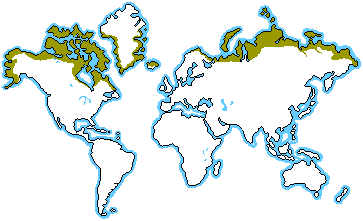

Which biome has all four seasons and they are distinct? (you can tell which season it is)
tropical rain forest
desert
deciduous forest
grassland

Which of the following biomes receive the most precipitation?
Rain forest
Desert
Tundra
Savanna

In which biome does the landscape change from ice and snow to short grasses and rocks?
Desert
Tundra
Taiga
Rain Forest

Which biome is found at the equator?
Taiga
Desert
Tropical Rainforest
Grassland

In which month do they get the most rain in this biome?
January
May
August
November
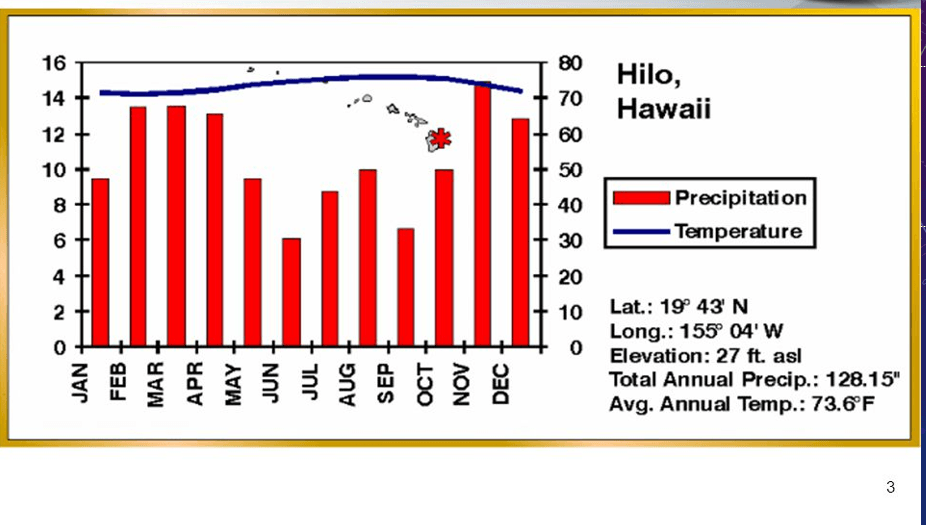
When does the least precipitation occur?
February - March
April - May
June - July
November - December


Which climograph is most likely a desert?
B
C
D
E
F
Which 2 biomes have winter and summer temperatures that differ the most
B
C
D
E
F

Which month has the coldest temperature?
January
April
September
March
Which biome is represented by the climatograph?
Rainforest
Tundra
Grassland
Temperate (Deciduous) Forest
Which of the following is NOT a freshwater ecosystem?
stream
pond
estuary
river

Select ALL the biotic factors
Rotten log
water
dragon fly
bacteria
lily pad

Select all the Abiotic factors in the image:
rotten log
plants
Sun
water
temperature of water


The lavender plant serves an important role in the life cycle of the monarch butterfly. Adult monarchs lay their eggs in the lavender plant, and then the monarch caterpillars eat that same plant during their development.
Based on the relationship between monarchs and lavender, what is one reasonable prediction a scientist could make?
If the lavender population goes down, the monarch population will do down.
Population of monarch butterflies should remain constant when lavender population decreases.
A decrease in the lavender population would cause a monarch butterfly population increase.
If the population of lavender remains constant (the same), the monarch butterfly population increases.

A community comprising all the biotic and abiotic factors in an area and all the interactions among them
ecosystem
population
species
Environmental interaction
Plants are green because they contain the protein chlorophyll. A bucket was left on the lawn for one week. When the bucket was removed, the grass under the bucket had turned from green to a yellowish white color. This change is due to the interaction between the grass and
decomposer organisms in the soil, an abiotic factor
the amount of sunlight, and abiotic factor
increased moisture under the bucket, and abiotic factor
the metal composition of the bucket, a biotic factor

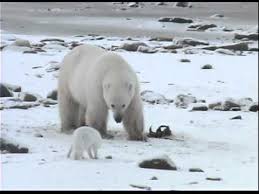
Two arctic fox are fighting with a polar bear for a sea lion carcass. One fox distracts the bear while the other eats. What type of limiting factor is the polar bear?
Predator-Prey Relationships
Competition
Herbivory Effect
Weather

A group of elephants gets stuck in mud at the edge of the river from a recent mud slide. A lion waits for an elephant to get tired before it attacks. What is the limiting factor to the elephant population?
Predator-Prey Relationships
Natural Disaster
Herbivory Effect
Competition

A duck population is breeding at exponential rates. The snakes that hunted them have been collected by fur collectors. They make boots from python snake skin. What is the limiting factor to the snakes?
Ducks
Predator-Prey
Exponential Growth
Humans

The wolf goes extinct, and the deer population has no predator to worry about. They graze the land. Because there is no more food. Some of the deer begin to bite at each other, while others die of starvation. What is the limiting factor to the deep population?
Competition
Overcrowding
Predator-Prey Relationships
Herbivory Effect

