
 Worksheets
levels of organization/symbiotic relationships/energy flow
Total questions: 50
Worksheet time: 51mins

Animal that gets its energy and nutrition from eating plants.
Parasite
Herbivore
Carnivore
Ominvore

Organisms that produce their own food mostly through photosynthesis . Examples are plants and algae.
Ominvore
Detritivore
Heterotroph
Autotroph

Organisms that get their energy and nutrition from other organisms.
Heterotroph
Autotroph
Decomposer
Detritivore
Heterotrophs that get energy and nutrition from dead or decaying organisms or their waste products and recycle nutrients back to the ecosystem.
Producer
Trophic
Decomposer
Autotrooph

Parts of an ecosystem that are not living, and they interact with a living thing. Examples: water, soil, sunlight, temperature, altitude.
Detritivores
Herbivores
Biotic Factors
Abiotic Factors
An ecosystem includes
All living factors
All nonliving factors
All nonliving and living factors
All biomass anywhere
Trophic Levels show the
what grade each organism has achieved in the ecosystem
position that an organism occupies in a food chain - what it eats, and what eats it
part of the triangle the organism likes the most
elevation the organism likes to live in
Some type of producers obtain their energy by
the process of hunting for prey
the process of eating plants
the process of photosynthesis to make their own food from sunlight
the process of breaking down once living things
Omnivores make their energy by
eating plants
eating animals
eating plants and animals
eating decomposers
The job of decomposers in an ecosystem is to
break down once living things from all levels of the ecosystem to recycle nutrients back to producers
break down only top level consumers to recycle nutrients
break down only producers to recycle nutrients
give energy to all levels of the ecosystem
Heterotroph means
the organisms get their energy from eating other organisms
the organisms make their own food from photosynthesis
the organims get energy from breaking down once living things

The food web shows
many possible interactions and feeding relationships beween the organsims in the ecosystem
a nice picture of what lives in the ecosystem
the symbiotic relationships
the keystone species
A moose is considered to be a consumer because it
gets energy by eating other resources
makes its own food
form carbohydrates using chemicals
uses sunlight for energy
Some producers get energy using the process of:
respiration
consumption
photosynthesis
chemosynthesis
A model that shows a single sequence of feeding relationships is called a:
trophic level
food chain
food web
feeding chain
A food chain contains: oak trees, mice, black rat snakes, and bald eagles.
How many trophic levels does this food chain have?
one
two
three
four
five
Food webs are models that show:
one sequence of producers and consuemrs
networks of feeding relationships
stored energy in food chains
only primary consumers in an ecosystem

A tapeworm is a worm with no digestive tract. They live in the intestines of other animals and absorb food that has already been digested by their host.
What type of relationship do tapeworms exhibit?
Commensalistic
Mustualistic
Parasitic
Predation

Orchids grow on large tropical trees. The orchids depend on the support offered by the trees, but do not harm the trees.
Which symbiotic relationship is most closely associated with this relationship
mutualism
parasitism
commensalism
predation

The symbiotic relationship between a flower and the insect that feeds on its nectar is an example of:
mutualism because the flower provides the insect with food, and the insect pollinates the flower
parasitism because the insect lives off the nectar from the flower
commensalism because the insect doesn't harm the flower and the flower doesn't benefit from the relationship
predation because the insect feeds on the flower

A diagram of a marine food chain is provided.
Which organism in the food chain transforms energy from the Sun into food?
Large Sharks
Marlin
Shrimp
Phytoplankton

A relationship between two organisms in which one organism benefits and the other is unharmed...
Mutualism
Competition
Parasitsm
Commensalism
Predation
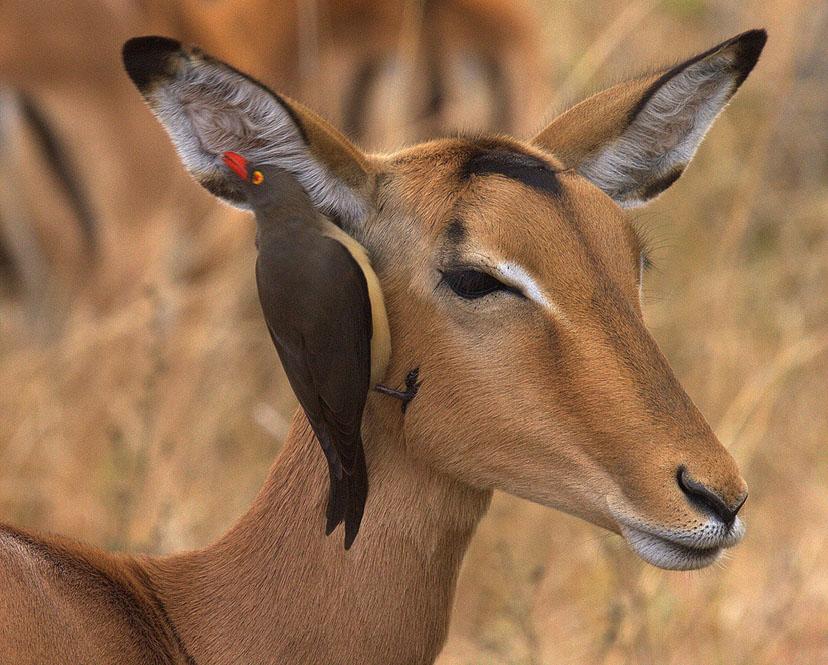
Red-billed oxpeckers are birds that often feed on parasites that infest impala. This is an example of _______.
commensalism
mutualism
neutralism
competition

Aphids are tiny insects that live on and eat the leaves of plants, removing vital nutrients from the plants.
Predation
Parasitism
Commensalism
Mutualism


Name the relationship between two in which one species, the predator, feeds on the other species, the prey.
chemosynthesis
predation
cellular respiration
commensalism
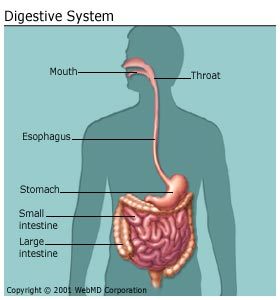

Atom → molecule → organelle → cell→ tissue → organ
→ system → organism → population → community → ecosystem → biosphere.
Taxonomic System
Classification system
Levels of Organization
Periodic Table

The smallest unit that makes up the known elements.
Molecule
Organelle
Cell
Atom

Structures in a cell that have specialized jobs.
Similar concept to organs for the human body.
Tissue
Molecule
Atom
Organelles

Group of tissues with similar functions.
Organelles
Cells
Tissues
Organs

Groups of cells with similar functions.
Organs
Molecules
Tissues
Organelles

Organisms who are members of the same species in an ecosystem.
Organism
Population
Organ
Community

Group of populations in an area.
Organism
Ecosystem
Community
Biosphere
What is it called when a group of the same specie organisms live together in the same place at the same time?
An organism
A population
A community
A biome
The temperate deciduous forest, the tropical rain forest, the desert, and the tundra are all examples of...
the biopshere.
biomes.
ecosystems.
communities.
What are the ecological levels of organization from smallest to the largest?
organism, population, community, ecosystem, biome, biosphere
organism, community, population, ecosystem, biome, biosphere
atom, molecule, organelle, cell, tissue, organ, system, organism, population, community, ecosystem, biome, biosphere
organism, community, population, biome, ecosystem, ecosphere
Living and non living things in a given area.
This is a(n):
(write answer with all lower case letters)
(a)
This is the highest level of organization:
(write your answer with all lower case letters)
(a)

