wayground logo

Free Printable Worksheets

NEW

Font size

S
M
L
XL
Worksheets

types of energy

Total questions: 80

Worksheet time: 1hrs 6mins

Name
Class
Date
1.

What is an example of Electric Energy

a)

Apple

b)

Rubber Bands

c)

Car Battery

d)

Table

2.

Which statement is true?

a)

Oranges contain Elastic Energy

b)

Food contains Chemical Energy

c)

Phone on the table doesn't contain Gravitational Energy

d)

Radiator contains Nuclear Energy

3.

What type(s) of energy does a fridge contain?

a)

Sound Energy

b)

Thermal Energy

c)

Mechanical Energy

d)

All of the above

4.

Which type of energy does a TV remote have while turning on the TV?

a)

Thermal Energy

b)

Gravitational Energy

c)

Radiant Energy

d)

Sound Energy

5.

How many types of energy are there?

a)

5

b)

6

c)

7

d)

8+

6.

What is the definition of Elastic Energy?

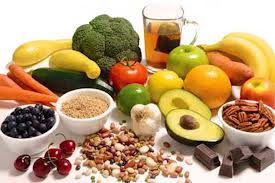
a)

Energy stored in the nucleus of the atoms hold the nucleus together

b)

Energy stored in an object by the application of force

c)

Movement of objects or substances from one place to another

d)

The energy an object or substance has because of its position up high

7.

Which is Potential Energy?

a)

Radiant Energy

b)

Mechanical Energy

c)

Chemical Energy

d)

Sound Energy

8.

Heat Energy is called:

a)

Radiant Energy

b)

Chemical Energy

c)

Thermal Energy

d)

Mechanical Energy

9.

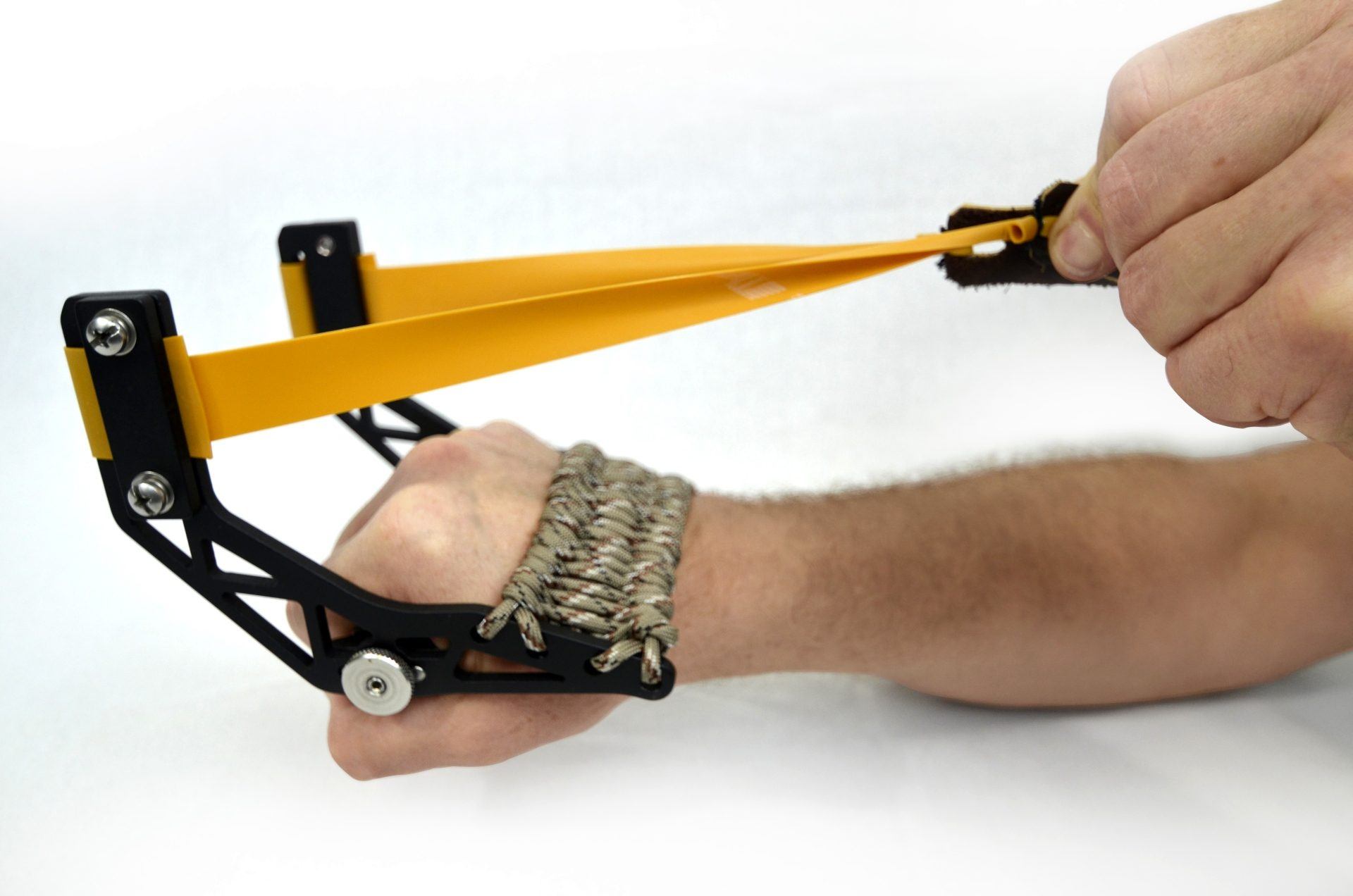
Which 2 types of energy does the object in the image use?

a)

Electric and Thermal

b)

Nuclear and Elastic

c)

Chemical and Mechanical

d)

Sound and Elastic

10.

Which is Kinetic Energy?

a)

Gravitational Energy

b)

Thermal Energy

c)

Elastic Energy

d)

Nuclear Energy

11.
What is the form of energy associated with visible light?
a)
light energy
b)
thermal energy
c)
chemical energy
d)
kinetic energy
12.
What is the form of energy that is created using heat?  This form of energy makes particles of matter move faster.
a)
light energy
b)
thermal energy
c)
chemical energy
d)
kinetic energy
13.
What is a form of energy that is the result of chemicals reacting to each other or to some action?
a)
light energy
b)
thermal energy
c)
chemical energy
d)
kinetic energy
14.
What is energy of motion?
a)
light energy
b)
thermal energy
c)
chemical energy
d)
kinetic energy
15.
What is energy made available by the flow of electric charge through a conductor?
a)
electrical energy
b)
solar energy
c)
mechanical energy
d)
potential energy
16.
What is energy from the sun?
a)
electrical energy
b)
solar energy
c)
mechanical energy
d)
potential energy
17.
What is the energy of moving objects, or the energy of moving parts of a machine?
a)
electrical energy
b)
solar energy
c)
mechanical energy
d)
potential energy
18.
What is the energy something has because of its position?
a)
electrical energy
b)
solar energy
c)
mechanical energy
d)
potential energy
19.
What is the movement of an electric charge from one place to another?
a)
energy
b)
reflect
c)
refract
d)
electric current
20.
What is the ability to do work or cause change?
a)
reflect
b)
energy
c)
refract
d)
absorb
21.
What is 'to bounce off'?
a)
reflect
b)
refract
c)
attract
d)
repel
22.
What is it called when light is blocked?
a)
translucent
b)
transparent
c)
opaque
d)
absorb
23.
What is the path that a controlled electric current flows through?
a)
energy
b)
electric current
c)
electric circuit
d)
electric charge
24.
What is it called when light passes through a material through easily?
a)
translucent
b)
opaque
c)
absorb
d)
transparent
25.
What is it called when objects move away from each other?
a)
attract
b)
repel
c)
refract
d)
absorb
26.
What is the word used when light bends?
a)
reflect
b)
refract
c)
absorb
d)
repel
27.
What is the tiny amount of energy in the particles of matter?
a)
electric circuit
b)
electric current
c)
electric charge
d)
energy
28.
What is the word for 'to take in'?
a)
reflect
b)
absorb
c)
refract
d)
opaque
29.
Energy of motion is which type of energy?
a)
Potential
b)
Kinetic
c)
Sound
d)
Gravitational
30.
What type of energy is in this picture?
a)
Kinetic
b)
Potential
c)
Chemical
d)
Sound
31.
When plants convert the sun's energy into food, which type of energy is it?
a)
kinetic
b)
chemical
c)
thermal
d)
radiant
32.
What kind of energy is represented in this picture?
a)
Thermal
b)
Potential
c)
Nuclear
d)
Mechanical
33.
What kind of energy does this device use?
a)
Chemical
b)
Electrical
c)
Thermal
d)
Chemical
34.
What kind of energy is represented in the picture?
a)
Thermal
b)
Chemical
c)
Sound
d)
Nuclear
35.
A battery converts what type of energy to another?
a)
sound to kinetic
b)
light to heat
c)
mechanical to electrical
d)
chemical to electrical
36.
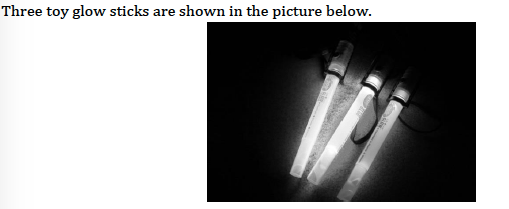
The glow sticks produce light for a short amount of time. The light from the glow stick is a conversion from what to what?
a)
thermal to light
b)
gravitational to potential
c)
radiant to electrical
d)
chemical to light
37.
Work is:
a)
A transfer of energy by a force to move and object
b)
Something you get paid for
c)
Something you take home
d)
Makes you sweat
38.
What machine changes electrical energy into light and sound energy?
a)
battery
b)
lightbulb
c)
alarm clock
d)
apple
39.
On a roller coaster, where is maximum potential energy?
a)
At the bottom of a big hill
b)
When going around a corner
c)
When going upside down
d)
At the top of a big hill
40.
The formula for work is:
a)
d = r x t
b)
p = m x v
c)
f = m x a
d)
w = d x f
41.
Energy that is stored in bonds between atoms is:
a)
Mechanical energy
b)
Chemical energy
c)
Kinetic energy
d)
Nuclear energy
42.
Energy that comes from the nucleus of an atom. A form of potential energy.
a)
chemical energy
b)
Nuclear energy
c)
Sound energy
d)
Electrical energy
43.
Energy caused by the movement in the particles of matter. It is a form of kinetic energy.
a)
Nuclear energy
b)
Sound energy
c)
Light energy
d)
Thermal energy
44.
The purpose of the panels is to change solar energy into ____________.
a)
light energy
b)
electrical energy
c)
chemical energy
d)
mechanical energy
45.
What machine changes chemical energy into heat, light and sound energy
a)
blender
b)
firecracker
c)
lightbulb
d)
apple
46.

Stored energy

a)

radiant

b)

chemical

c)

potential

d)

kinetic

e)

sound

47.

wires

a)

Thermal

b)

Electrical

c)

Sound

d)

Kinetic

e)

Potential

48.

Food

a)

radiant

b)

chemical

c)

potential

d)

kinetic

e)

sound

49.

Energy of motion

a)

radiant

b)

chemical

c)

potential

d)

kinetic

e)

sound

50.

Fuel

a)

radiant

b)

chemical

c)

potential

d)

kinetic

e)

sound

51.

heat

a)

thermal

b)

electrical

c)

sound

d)

kinetic

e)

potential

52.

Batteries

a)

radiant

b)

chemical

c)

potential

d)

kinetic

e)

sound

53.

Stretching an object

a)

radiant

b)

chemical

c)

potential

d)

kinetic

e)

sound

54.

Energy from the sun

a)

radiant

b)

chemical

c)

potential

d)

kinetic

e)

sound

55.

travels in waves

a)

potential

b)

electrical

c)

sound

d)

kinetic

56.
What kind of energy is represented in the picture?
a)
Thermal
b)
Chemical
c)
Sound
d)
Nuclear
57.
What type of energy is in this picture?
a)
Kinetic
b)
Potential
c)
Chemical
d)
Sound
58.
What machine changes electrical energy into light and sound energy?
a)
battery
b)
lightbulb
c)
alarm clock
d)
apple
59.
Energy that is stored in the nucleus of an atom is called _________ energy.
a)
Chemical
b)
Nuclear
c)
Gravitational
d)
Elastic
60.
What type of energy does this provide?
a)
thermal
b)
radiant
c)
sound
d)
mechanical
61.
Electromagnetic energy (such as visible light waves, X-rays, gamma rays and radio waves) is called _______ energy.
a)
Thermal
b)
Radiant
c)
Sound
d)
Electrical
62.
What type of energy includes both kinetic and potential energy?
a)
mechanical energy
b)
chemical energy
c)
heat energy
d)
sound energy
63.
What is the transformation shown in the picture?
a)
chemical to electrical to light
b)
electrical to chemical to light
c)
light to chemical to electrical
d)
chemical to light to electrical
64.

What is energy?

a)

Energy is something that is moving.

b)

Energy is something that builds up when something is at rest.

c)

Energy describes the ability of things to change themselves or to cause change to other things.

d)

All of the above accurately describe ENERGY.

65.

TRUE or FALSE. Potential energy is stored energy. It is relative to its position and location.

a)

True

b)

False: Potential energy is energy in motion.

66.

Which option is the correct unit of measurement for energy?

a)

Joule (J)

b)

Kilogram (kg)

c)

Newton (N)

d)

Jewel (je)

67.

When you consume food, is that a form of chemical potential energy?

a)

Yes, because the food chemically breaks down inside your body helping your body store energy to use when needed.

b)

No, because your body digests the food you eat and does not store the energy for future consumption.

68.

Which example best relates to chemical energy?

a)

A lamp plugged into an electrical outlet.

b)

Gasoline burning in a car's engine causing the car to move.

69.

Potential energy depends on the ________ and ________ of the object.

a)

Height and weight

b)

Friction and weight

c)

Mass and Movement

d)

Height and speed

70.
What kind of energy is in a rock at the edge of a cliff?
a)
Potential
b)
Kinetic
71.
You get sunburned due to __________ from the sun.
a)
conduction
b)
convection
c)
radiation
72.
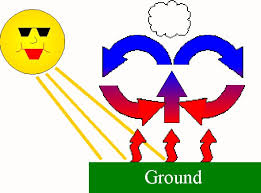
Warm air rises and the cool air sinks demonstrates this type of heat transfer. 
a)
conduction
b)
convection
c)
radiation
d)
Insolation 
73.
A group of friends gather around a fire to stay warm.
a)
conduction
b)
convection
c)
radiation
74.

Walking on the warm sand with your bare feet demonstrates this type of heat transfer.

a)

conduction

b)

convection

c)

radiation

75.

These are all conductors except...

a)

metal spoon

b)

wire

c)

iron nail

d)

plastic spoon

76.

What type of energy is being used?

a)

electromagnetic

b)

mechanical

c)

thermal

d)

sound

77.

What type of energy is being used?

a)

electromagnetic

b)

mechanical

c)

thermal

d)

sound

78.

What type of energy is being used?

a)

electromagnetic

b)

mechanical

c)

chemical (photosynthesis)

d)

sound

79.

When you heat up liquid water to its boiling point, it turns to steam. //Cuando calienta el agua líquida hasta su punto de ebullición, se convierte en vapor.

a)

thermal to phase

b)

phase to thermal

c)

chemical potential to thermal

d)

thermal to chemical potential

80.

The battery provides energy for the flashlight. //La batería proporciona energía para la linterna.

a)

chemical potential to electromagnetic

b)

thermal to electromagnetic

c)

nuclear to electromagnetic

d)

electromagnetic to thermal