wayground logo

Free Printable Worksheets

NEW

Font size

S
M
L
XL
Worksheets

Matter Review

Total questions: 50

Worksheet time: 45mins
Name
Class
Date
1.
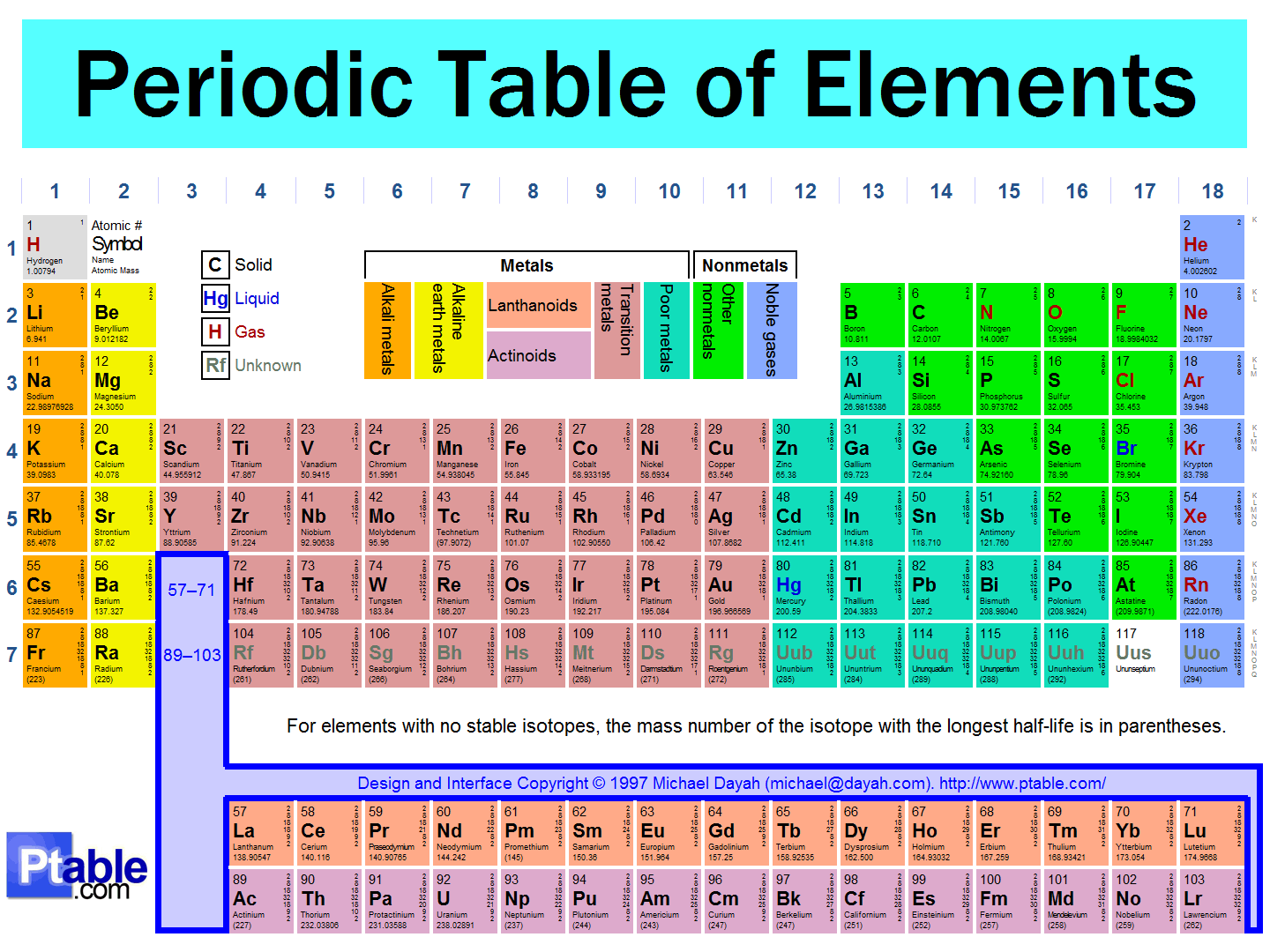
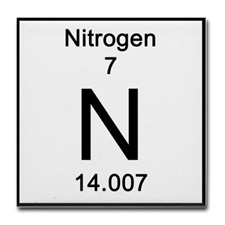
What is the number of protons that the element in this image contain?
a)
14
b)
7
c)
15
d)
18
2.
The positive particles of an atom are 
a)
Electrons 
b)
Positrons 
c)
Neutrons 
d)
Protons 
3.
The central region of an atom where its neutrons and protons are is its _______.
a)
Nucleus 
b)
Electron cloud
c)
Core 
d)
Center 
4.
An atom with atomic number 6 would have how many protons?
a)
6
b)
12
c)
3
d)
Cannot be determined 
5.
Particles in an atom that are neutral and have no charge are ______. 
a)
Negatrons 
b)
Electrons 
c)
Neutrons 
d)
Protons 
6.
Which of the following is a negatively charged subatomic particle?
a)
Electron
b)
Proton
c)
Neutron
d)
Quark
7.
I am the smallest whole particle of matter. 
a)
atom
b)
compound
c)
molecule
d)
mixture
8.
Which statement best describes an electron?
a)
Smaller mass than a proton and a negative charge
b)
Smaller mass than a proton and a positive charge
c)
Greater mass than a proton and a negative charge
d)
Greater mass than a proton and a positive charge
9.
Most of the mass in an atom is concentrated in the _____.
a)
Electrons
b)
Nucleus
c)
Protons
d)
Empty space
10.
What is the atomic number for an element with three protons?
a)
2
b)
1
c)
3
d)
6
11.

What does the 1.00794 stand for?

a)

Hydrogen

b)

atomic number

c)

atomic mass

d)

atomic explosion

12.

What subatomic particle(s) would be found orbiting the nucleus?

a)

Neutrons only

b)

Electrons only

c)

Protons and Neutrons

d)

Protons and Electrons

13.
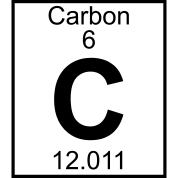
The symbol for Carbon is
a)
6
b)
12.011
c)
C
d)
Ca
14.

What is the formula to solve for the neutron?

a)

Mass + Atomic Number= Neutrons

b)

Mass x Atomic Number = Neutrons

c)

Atomic Mass - Proton Number = Neutrons

d)

Mass + Number of Protons = Neutron

15.

How many neutrons does the an element with an atomic number of 3 and a mass of 7 contain?

a)

6.9

b)

4

c)

3

d)

7

16.
How many neutrons does oxygen have?
a)
16
b)
15.99
c)
8
d)
Doesn't contain any neutrons
17.

The vertical (up and down) columns in the Periodic Table are called

a)

groups

b)

towers

c)

periods

d)

atomic numbers

18.
The Modern Periodic Table of Elements is arranged by
a)
atomic mass
b)
atomic number
c)
valence electrons
d)
number of isotopes
19.
Sodium (Na) is found in period 
a)
3
b)
2
c)
4
d)
1
20.
What does 12.011 represent?
a)
atomic mass
b)
atomic number
c)
element name
d)
chemical symbol 
21.

The horizontal (side to side) rows in the Periodic Table are called

a)

groups

b)

families

c)

periods

d)

atomic numbers

22.
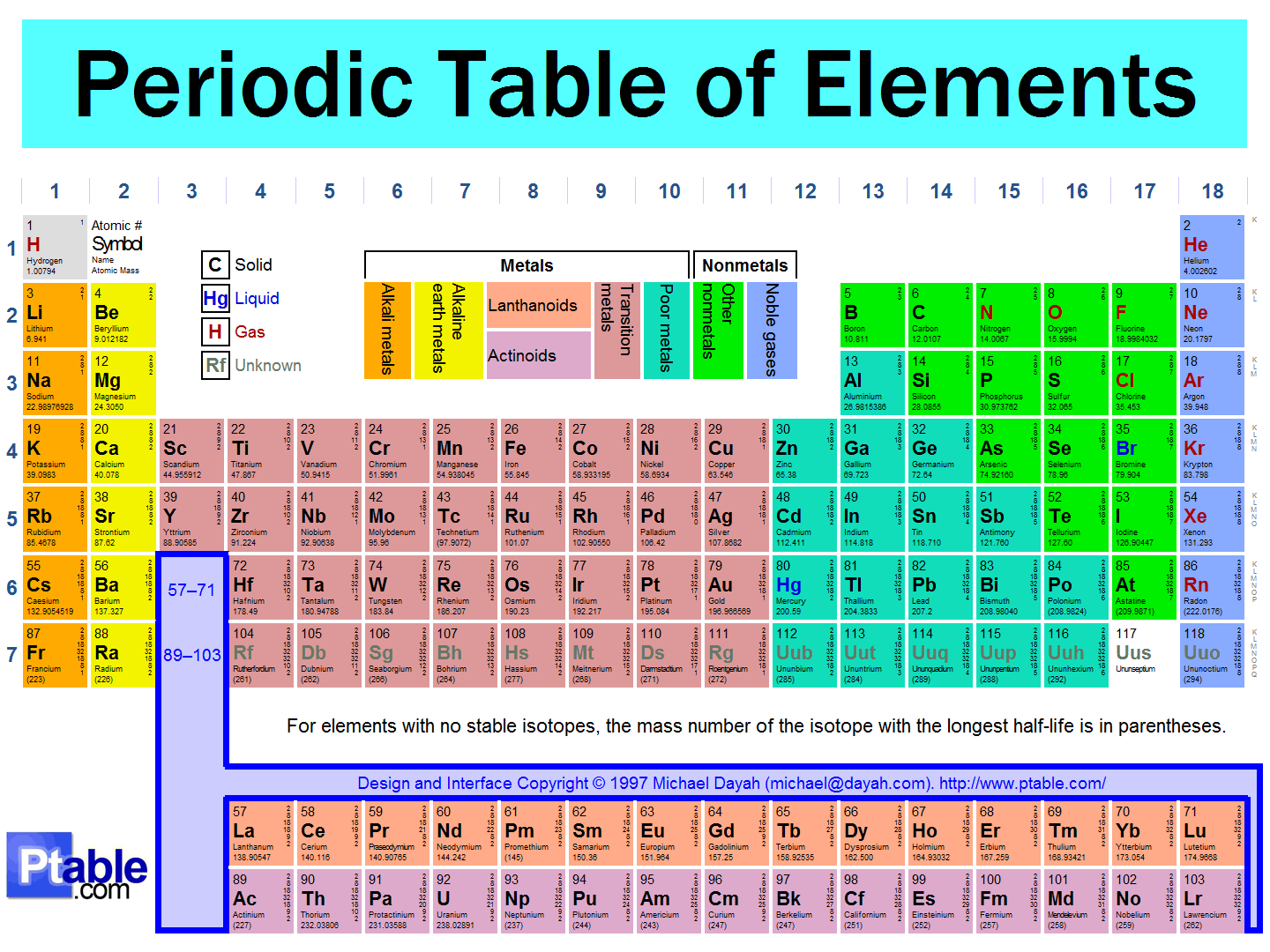
These are found on the Periodic Table.
a)
Compounds
b)
Elements
c)
Mixtures
23.

how many rows are on the table

a)

4

b)

5

c)

6

d)

7

24.

what is the biggest group on the table

a)

metals

b)

nonmetals

c)

metaloids

d)

halogens

25.

how many groups/families are on the table

a)

15

b)

16

c)

17

d)

18

26.

where are the metaloids found

a)

far left, vertical

b)

stair step/diagonal

c)

far right horizontal

d)

at the bottom

27.

what is the small group of elements called that include C,N,O

a)

metals

b)

nonmetals

c)

metaloids

d)

noble gases

28.

symbols must have at least

a)

1 cap. letter

b)

2 cap. letters

c)

2 lower case letters

d)

any letter you want

29.
a)

Element

b)

Compound

c)

Homogeneous Mixture

d)

Heterogeneous Mixture

30.
a)

Element

b)

Compound

c)

Homogeneous Mixture

d)

Heterogeneous Mixture

31.
a)

Element

b)

Compound

c)

Homogeneous Mixture

d)

Heterogeneous Mixture

32.

2 or more different elements that are bonded together is called...

a)

A. element

b)

B. compound

c)

C. mixture

d)

D. solution

33.
A substance that contains only one type of atom is a(n)
a)
compound
b)
element
c)
heterogeneous mixture
d)
homogeneous mixture
34.
Is salt (NaCI) a compound or a element
a)
Compound
b)
element
35.

What is CO2 and example of?

a)

element

b)

molecule

c)

compound

36.
Which of the following lists only elements?
a)
H2O + OH, MgCl2
b)
H2O, KF, Ne
c)
KCl, Ag, Au
d)
K, Cl, N
37.
How many Hydrogen are in 4H2O?
a)
6
b)
8
c)
2
d)
4
38.
How many elements are in C6H12O6?
a)
1
b)
2
c)
3
d)
4
39.
How many Sodium (Na) are in 6NaCl?
a)
1
b)
12
c)
6
40.
How many Elements are in the compound C2H8O ?
a)
2
b)
1
c)
3
d)
0
41.
How many atoms of Hydrogen are in this compound
a)
1
b)
2
c)
3
d)
4
42.
What is a coefficient?
a)
The small number on the right of the chemical symbol.
b)
The large number to the left of a formula.
43.
A subscript is the small number below a(n) ________ that tells the number of _______ of that element.
a)
element symbol; atoms
b)
atom; element symbol
c)
subscript; protons
d)
compound; elements
44.

What is the left part of a chemical equation called?

2H2 + O2 ---> 2H2O

a)

Reactants

b)

Yields

c)

Products

d)

Chemical equation

45.

What is the right part of a chemical equation called?

2H2 + O2 ---> 2H2O

a)

Reactants

b)

Yields

c)

Products

d)

Chemical Equation

46.

Is the following equation balanced?

Al + O2 ---> 2Al2O3

a)

YES

b)

NO

47.

Is the following equation balanced?

4Fe + 3O2 ---> 2Fe2O3

a)

YES

b)

NO

48.

In the equation, 2Mg + O2 ---> 2MgO, which are the reactants?

a)

Mg and O

b)

Mg and MgO

c)

MgO

d)

O and MgO

49.

How many Oxygen atoms are in 2SO4?

a)

1

b)

2

c)

4

d)

8

50.

Which particle identifies the element?

a)

Protons

b)

Neutrons

c)

Electrons