
 Worksheets
Physical and chemical change
Total questions: 88
Worksheet time: 3hrs 56mins

Is melting butter for popcorn a chemical or physical change?
chemical
physical

Change in color is a physical change.
True
False

Rust on an iron bar is an example of chemical change.
True
False

When you break a cracker into pieces it is a...
Chemical change
Physical change


The melting of wax is an example of a
chemical change
physical change

Cutting a log in to small pieces is a chemical change.
true
false


What changes did the water undergo?

Which student correctly recorded all the changes that took place?
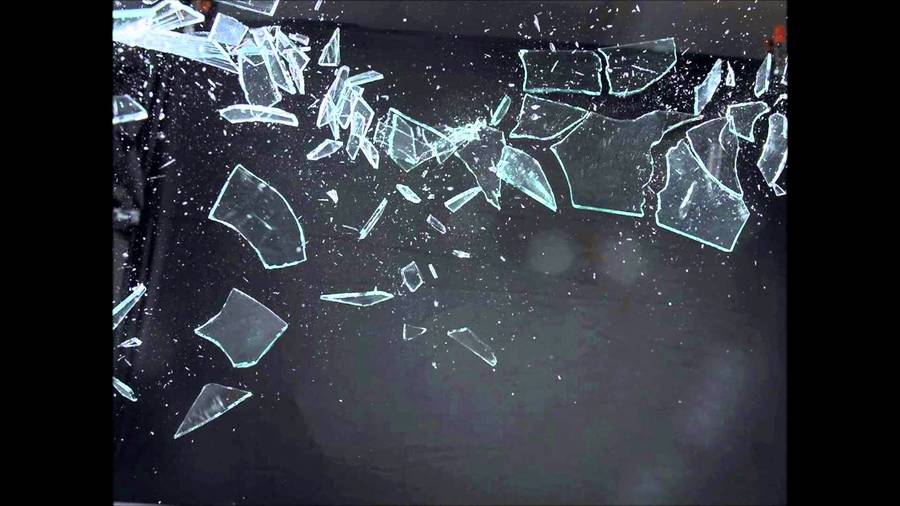
A physical change...
changes the physical properties of an object, but does not create a new substance.
creates a new substance and cannot be undone.
A chemical change
changes the physical properties of an object, but does not create a new substance.
creates a new substance and cannot be undone.

Is this an example of a physical or chemical change?
physical
chemical

Is this an example of a physical or chemical change?
physical
chemical
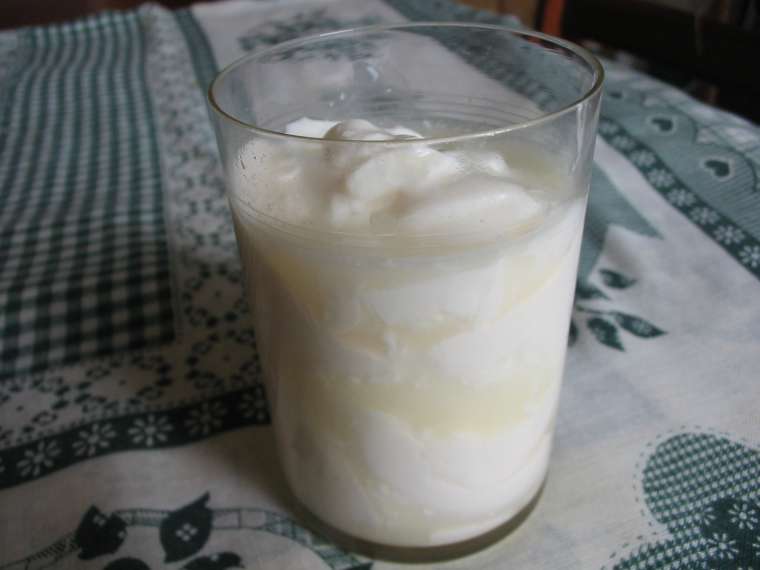
Chemical changes...
Always form a new substance.
May change shape or size.
May absorb or release heat.
May change colour, produce odor, create sound, release gas or produce light.
Can often be undone.
Physical Changes...
Do not form a new substance.
May change shape or size.
May absorb or release heat.
May change state of matter.
Can often be undone.
Cooking an egg is a..
Irreversible
Reversible
Changes
Melting chocolate is a....
Irreversible
Reversible
Changes

The change happening in the picture is...
Irreversible
Reversible
Changes

What change is happening within this picture?
Reversible
Irreversible

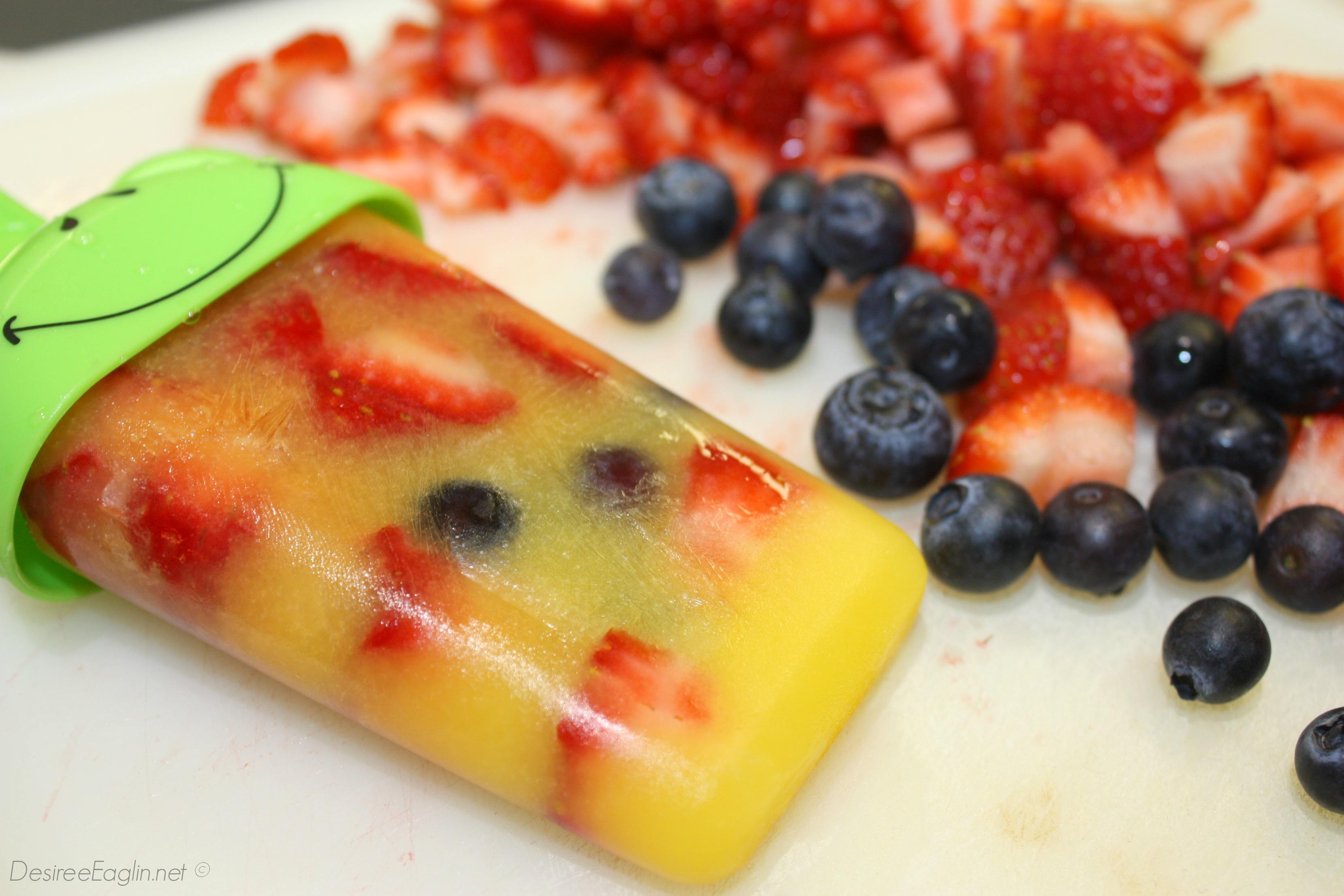
When orange juice is frozen to make popsicles, can the popsicles change back to orange juice?
Yes
No
Which of these is NOT an irreversible change?
Burning
Melting
Rusting
The changes that occur over a long period of time are called
Organism
Slow changes
Fruit
Growth
_______ changes are defined as the changes that are usefull to us
Contraction
Undesirable
Desirable
A example of undesirable change
A person falling sick
People dancing on stage
The changes that repeat themselves after a certain period of time
Reversible change
desirable change
Periodic change
Non periodic change
Spoilage of food is an example of
Desirable change
Reversible change
Non periodic change
Undesirable change
Change of day into night is an example of
Man made change
Desirable change
Natural change
Fast change
The changes that are not useful and can be harmful for mankind
Reversible change
Periodic change
Desirable change
Undesirable change
All reversible changes are physical. But all physical changes are not reversible.
True
False
Select the example of desired changes
(i) Ripening of fruits. (ii) Rotting of fruits (iii) Rain (iv) Floods
(i) and (ii)
(i)and (iii)
(ii) and (iii)
(iii) and (iv)
Select the non-periodic changes from the given examples.
Occurrence of day and night
Earthquakes
Migration of birds
Flash Floods
Lightning a bulb is an example of
Slow Change
Fast Change
Periodic Change
Desirable Change
bursting of firecrackers is an example of ___ While Drying of clothes is an example of ___
Desirable and Undesirable
Physical, Chemical
Chemical, Physical
None of these
On heating Ammonium Chloride the products formed are
Ammonia
Carbon
Oxygen, Carbon dioxide
Ammonia and hydrogen chloride
Change of weather is an example of
Physical change
Periodic Change
Non Periodic Change
None of these
when magnesium ribbon burnt it produce
magnesium hydroxide
Magnesium oxide
magnesium chloride
magnesium sulphate
In a chemical reaction between Sulphuric acid and Barium chloride solution the white precipitates formed are of:
a. Hydrochloric acid
b. Barium sulphate
c. Chlorine
d. Sulphur
4. It is necessary to balance a chemical equation in order to satisfy the law of:
a. Conservation of motion
b. Conservation of momentum
c. Conservation of energy
d. Conservation of mass
6. When ferrous sulphate is heated strongly it undergoes decomposition to form ferric oxide as a main product accompanied by a change in colour from:
a. Blue to green.
b. Green to blue.
c. Green to brown.
d. Green to yellow.
One of the following processes does not involve a chemical reaction. That is:
Melting of candle wax when heated
Burning of candle wax when heated
Digestion of food in our stomach
Ripening of banana
Which of the following is termed as rancidity?
Reduction of oxygen present in food
Oxidation of sugar present in food
Oxidation of oil present in food
All of the above

Which Of The Following Sentences Is Or Are Correct?
Rusting is a chemical change because a new substance is formed
Beating of Aluminum metal to make Aluminum foil, is a physical change
Digestion of food is a chemical change
All the above

Paheli’s Mother Made A Concentrated Sugar Syrup By Dissolving Sugar In Hot Water. On Cooling, Crystal Of Sugar Got Separated. This Indicates a :
Physical change that can be reversed
Chemical change that can be reversed
Physical change that cannot be reversed
Chemical change that cannot be reversed

Both oxygen and water are essential for rusting.
TRUE
FALSE
Iron pillar near the Qutub Minar in Delhi is famous for the following facts. Which of these facts is responsible for its long stability?
It is more than 7 metres high
It weighs about 6000 kg
It was built more than 1600 years ago
It has not rusted after such a long period

When we add ashes of magnesium ribbon to water it will give
Acidic solution
Basic solution
What is the chemical name given to Rust ?
Iron dioxide
Iron oxide
Steel oxide
Carbon dioxide
when we add iron to copper sulphate solution, the colour of the solution changes from blue to __________
Green
Red
Colourless
No colour change
Which of the following is an extensive physical property?
Colour
Mass
Melting point
Density

When magnesium reacts with hydrochloric acid, gas are given off. The gas is .......
Oxygen
Hydrogen
Carbon dioxide
Carbon monoxide

Analyze the picture. What type of change happened? What is the evidence shown? Under what condition does this happen?
chemical change; change in size; application of heat
physical change; change in phase; presence of oxygen
physical change; change in phase; application of heat
chemical change; change in state; absorption of heat

Analyze the picture. What type of change happened? What is the evidence shown? Under what condition does this happen?
chemical change; change in color; presence of oxygen
physical change; change in color; absence of oxygen
chemical change; release of gas; presence of oxygen
physical change; change in color; presence of oxygen

