
 Worksheets
IBG FINAL EXAM (FIRST TERM) 2023
Total questions: 140
Worksheet time: 7hrs 39mins
The Earth's Tectonic Plates.
Most earthquakes are caused by large-scale movements of the Earth's lithospheric plates. and occur at the boundaries between the plates. Experts recognize seven to twelve major plates and a number of smaller ones. The plates take their names from continents (the North American plate): from oceans (the Pacific plate): and from geographic areas (the Arabian plate).
Slow and Steady Motion
The plates are in very slow but constant motion, so that seen from above, the Earth's surface might look like a slowly moving spherical jigsaw puzzle. The plates move at rates of 2 to 15 cm or several inches in a year, about as fast as our fingernails grow. On a human scale, this is a rate of movement that only the most sophisticated instruments can detect. But on the scale of geological time, it's a dizzying speed. At this rate, those almost-four-billion-year old rocks could have traveled all the way around the Earth eleven times.
The movement of the plates is generally one of three kinds: spreading, colliding or sliding. When plates are spreading, or separating from each other, we call their movement divergent. When they are colliding, or pushing each other, we call the movement convergent. Movement in which plates slide past each other is called lateral (or transform) plate movement. Earthquakes can accompany each of the three types of movement.
Plate Tectonics
The revolutionary theory of plate tectonics originated early in the 20th century, although it did not gain general acceptance until the late 1960s. The German meteorologist, geophysicist, and explorer Alfred L Wegener is now given credit for the first step in understanding the movement of the lithosphere. In the period 1910-1912 he formulated the theory called continental drift and collected evidence from the rocks, fossils, and climate of various continents to show that they had once been joined together. Wegener had little data on the oceanic crust, so he thought that the continents merely moved through that crust.
QUESTION.
Earthquakes occur when what parts of the tectonic plates collide?
the edges
the centres
the peaks
The Earth's Tectonic Plates.
Most earthquakes are caused by large-scale movements of the Earth's lithospheric plates. and occur at the boundaries between the plates. Experts recognize seven to twelve major plates and a number of smaller ones. The plates take their names from continents (the North American plate): from oceans (the Pacific plate): and from geographic areas (the Arabian plate).
Slow and Steady Motion
The plates are in very slow but constant motion, so that seen from above, the Earth's surface might look like a slowly moving spherical jigsaw puzzle. The plates move at rates of 2 to 15 cm or several inches in a year, about as fast as our fingernails grow. On a human scale, this is a rate of movement that only the most sophisticated instruments can detect. But on the scale of geological time, it's a dizzying speed. At this rate, those almost-four-billion-year old rocks could have traveled all the way around the Earth eleven times.
The movement of the plates is generally one of three kinds: spreading, colliding or sliding. When plates are spreading, or separating from each other, we call their movement divergent. When they are colliding, or pushing each other, we call the movement convergent. Movement in which plates slide past each other is called lateral (or transform) plate movement. Earthquakes can accompany each of the three types of movement.
Plate Tectonics
The revolutionary theory of plate tectonics originated early in the 20th century, although it did not gain general acceptance until the late 1960s. The German meteorologist, geophysicist, and explorer Alfred L Wegener is now given credit for the first step in understanding the movement of the lithosphere. In the period 1910-1912 he formulated the theory called continental drift and collected evidence from the rocks, fossils, and climate of various continents to show that they had once been joined together. Wegener had little data on the oceanic crust, so he thought that the continents merely moved through that crust.
QUESTION.
Tectonic plates can get their names from what?
cities
rivers
seas
The Earth's Tectonic Plates.
Most earthquakes are caused by large-scale movements of the Earth's lithospheric plates. and occur at the boundaries between the plates. Experts recognize seven to twelve major plates and a number of smaller ones. The plates take their names from continents (the North American plate): from oceans (the Pacific plate): and from geographic areas (the Arabian plate).
Slow and Steady Motion
The plates are in very slow but constant motion, so that seen from above, the Earth's surface might look like a slowly moving spherical jigsaw puzzle. The plates move at rates of 2 to 15 cm or several inches in a year, about as fast as our fingernails grow. On a human scale, this is a rate of movement that only the most sophisticated instruments can detect. But on the scale of geological time, it's a dizzying speed. At this rate, those almost-four-billion-year old rocks could have traveled all the way around the Earth eleven times.
The movement of the plates is generally one of three kinds: spreading, colliding or sliding. When plates are spreading, or separating from each other, we call their movement divergent. When they are colliding, or pushing each other, we call the movement convergent. Movement in which plates slide past each other is called lateral (or transform) plate movement. Earthquakes can accompany each of the three types of movement.
Plate Tectonics
The revolutionary theory of plate tectonics originated early in the 20th century, although it did not gain general acceptance until the late 1960s. The German meteorologist, geophysicist, and explorer Alfred L Wegener is now given credit for the first step in understanding the movement of the lithosphere. In the period 1910-1912 he formulated the theory called continental drift and collected evidence from the rocks, fossils, and climate of various continents to show that they had once been joined together. Wegener had little data on the oceanic crust, so he thought that the continents merely moved through that crust.
QUESTION.
Why is the phrase "jigsaw puzzle" used in the second paragraph?
to show how complex everything is
because of the way the plates fit together
because of the number of plates
The Earth's Tectonic Plates.
Most earthquakes are caused by large-scale movements of the Earth's lithospheric plates. and occur at the boundaries between the plates. Experts recognize seven to twelve major plates and a number of smaller ones. The plates take their names from continents (the North American plate): from oceans (the Pacific plate): and from geographic areas (the Arabian plate).
Slow and Steady Motion
The plates are in very slow but constant motion, so that seen from above, the Earth's surface might look like a slowly moving spherical jigsaw puzzle. The plates move at rates of 2 to 15 cm or several inches in a year, about as fast as our fingernails grow. On a human scale, this is a rate of movement that only the most sophisticated instruments can detect. But on the scale of geological time, it's a dizzying speed. At this rate, those almost-four-billion-year old rocks could have traveled all the way around the Earth eleven times.
The movement of the plates is generally one of three kinds: spreading, colliding or sliding. When plates are spreading, or separating from each other, we call their movement divergent. When they are colliding, or pushing each other, we call the movement convergent. Movement in which plates slide past each other is called lateral (or transform) plate movement. Earthquakes can accompany each of the three types of movement.
Plate Tectonics
The revolutionary theory of plate tectonics originated early in the 20th century, although it did not gain general acceptance until the late 1960s. The German meteorologist, geophysicist, and explorer Alfred L Wegener is now given credit for the first step in understanding the movement of the lithosphere. In the period 1910-1912 he formulated the theory called continental drift and collected evidence from the rocks, fossils, and climate of various continents to show that they had once been joined together. Wegener had little data on the oceanic crust, so he thought that the continents merely moved through that crust.
QUESTION.
Why have the plates travelled so far?
because they are moving quite fast
because of the age of the Earth
because Earth is not very big
The Earth's Tectonic Plates.
Most earthquakes are caused by large-scale movements of the Earth's lithospheric plates. and occur at the boundaries between the plates. Experts recognize seven to twelve major plates and a number of smaller ones. The plates take their names from continents (the North American plate): from oceans (the Pacific plate): and from geographic areas (the Arabian plate).
Slow and Steady Motion
The plates are in very slow but constant motion, so that seen from above, the Earth's surface might look like a slowly moving spherical jigsaw puzzle. The plates move at rates of 2 to 15 cm or several inches in a year, about as fast as our fingernails grow. On a human scale, this is a rate of movement that only the most sophisticated instruments can detect. But on the scale of geological time, it's a dizzying speed. At this rate, those almost-four-billion-year old rocks could have traveled all the way around the Earth eleven times.
The movement of the plates is generally one of three kinds: spreading, colliding or sliding. When plates are spreading, or separating from each other, we call their movement divergent. When they are colliding, or pushing each other, we call the movement convergent. Movement in which plates slide past each other is called lateral (or transform) plate movement. Earthquakes can accompany each of the three types of movement.
Plate Tectonics
The revolutionary theory of plate tectonics originated early in the 20th century, although it did not gain general acceptance until the late 1960s. The German meteorologist, geophysicist, and explorer Alfred L Wegener is now given credit for the first step in understanding the movement of the lithosphere. In the period 1910-1912 he formulated the theory called continental drift and collected evidence from the rocks, fossils, and climate of various continents to show that they had once been joined together. Wegener had little data on the oceanic crust, so he thought that the continents merely moved through that crust.
QUESTION.
Can earthquakes be caused when plates are moving away from each other?
yes
no
only if they are touching
The Earth's Tectonic Plates.
Most earthquakes are caused by large-scale movements of the Earth's lithospheric plates. and occur at the boundaries between the plates. Experts recognize seven to twelve major plates and a number of smaller ones. The plates take their names from continents (the North American plate): from oceans (the Pacific plate): and from geographic areas (the Arabian plate).
Slow and Steady Motion
The plates are in very slow but constant motion, so that seen from above, the Earth's surface might look like a slowly moving spherical jigsaw puzzle. The plates move at rates of 2 to 15 cm or several inches in a year, about as fast as our fingernails grow. On a human scale, this is a rate of movement that only the most sophisticated instruments can detect. But on the scale of geological time, it's a dizzying speed. At this rate, those almost-four-billion-year old rocks could have traveled all the way around the Earth eleven times.
The movement of the plates is generally one of three kinds: spreading, colliding or sliding. When plates are spreading, or separating from each other, we call their movement divergent. When they are colliding, or pushing each other, we call the movement convergent. Movement in which plates slide past each other is called lateral (or transform) plate movement. Earthquakes can accompany each of the three types of movement.
Plate Tectonics
The revolutionary theory of plate tectonics originated early in the 20th century, although it did not gain general acceptance until the late 1960s. The German meteorologist, geophysicist, and explorer Alfred L Wegener is now given credit for the first step in understanding the movement of the lithosphere. In the period 1910-1912 he formulated the theory called continental drift and collected evidence from the rocks, fossils, and climate of various continents to show that they had once been joined together. Wegener had little data on the oceanic crust, so he thought that the continents merely moved through that crust.
QUESTION.
Why did Wegener's theory take so long to be accepted?
he had no understanding of the ocean floor
it was very different from previous ideas in this area
he made several errors in his theory
The Earth's Tectonic Plates.
Most earthquakes are caused by large-scale movements of the Earth's lithospheric plates. and occur at the boundaries between the plates. Experts recognize seven to twelve major plates and a number of smaller ones. The plates take their names from continents (the North American plate): from oceans (the Pacific plate): and from geographic areas (the Arabian plate).
Slow and Steady Motion
The plates are in very slow but constant motion, so that seen from above, the Earth's surface might look like a slowly moving spherical jigsaw puzzle. The plates move at rates of 2 to 15 cm or several inches in a year, about as fast as our fingernails grow. On a human scale, this is a rate of movement that only the most sophisticated instruments can detect. But on the scale of geological time, it's a dizzying speed. At this rate, those almost-four-billion-year old rocks could have traveled all the way around the Earth eleven times.
The movement of the plates is generally one of three kinds: spreading, colliding or sliding. When plates are spreading, or separating from each other, we call their movement divergent. When they are colliding, or pushing each other, we call the movement convergent. Movement in which plates slide past each other is called lateral (or transform) plate movement. Earthquakes can accompany each of the three types of movement.
Plate Tectonics
The revolutionary theory of plate tectonics originated early in the 20th century, although it did not gain general acceptance until the late 1960s. The German meteorologist, geophysicist, and explorer Alfred L Wegener is now given credit for the first step in understanding the movement of the lithosphere. In the period 1910-1912 he formulated the theory called continental drift and collected evidence from the rocks, fossils, and climate of various continents to show that they had once been joined together. Wegener had little data on the oceanic crust, so he thought that the continents merely moved through that crust.
QUESTION.
What evidence did Wegener NOT use to support his theory of Continental Drift when looking at two now-distant locations?
the existence of similar rocks
the existence of similar extinct animals
the existence of similar races of people

Which sentence in correct?
I going to meet my friends
I am go to meet my friends
I am going to met my friends
I am going to meet my friends
What ________ you ____________ to do tomorrow?
are / gonna
are / going
are / gona
are / goint
When is your mom _________________ be here?
going to
goint to
go in to
gonna to

What ... your brother going to do tomorrow?
is
are
am
-

"..." you going to play cards at the weekend?
Am
are
is
do

What "..." she going to do? - "..." going to play the piano
are- is
is- is
am-is
are-are

Peter "..." going to get married in June
am
is
are
does
Every sunday we ______to see my grand parents-
goes
go
are going
Where (a) they usually go on holidays?

What is happening?
I think he is having a allergic reaction.
I think he has an allergic reaction.
I think he's having an allergic reaction.
I think he has a allergic reaction.

Help! Call 911! ...
My son is brething.
My son isn´t unconscious.
My son isn´t breathing.
My son is breathing.

Where are they going?
They are going clinc.
They go the clinic.
They ´re going to the clinic.
They goes to the hospital.

He _____ pay his rent.
CAN
HAS TO
SHOULD

You ________ work everyday.
HAS TO
HAVE TO
HAS NOT

Basketball is ______________( Funny) than football.
More funny
Funnier
The most funny
English is _____________(easy) than mathematics
More easy
easier
Easiest
Mi niño es más impaciente que mi cuñado.

he is ____________________ than Luis
taller
tall
tallest
talls

The bone is ___________________ than a dog
shorter
short
shortest
bigger

SHARKS ARE THE _________________________ ANIMAL
MOST DANGEROUS
DANGEROUS
MORE DANGEROUS
DANGEOUR MOST
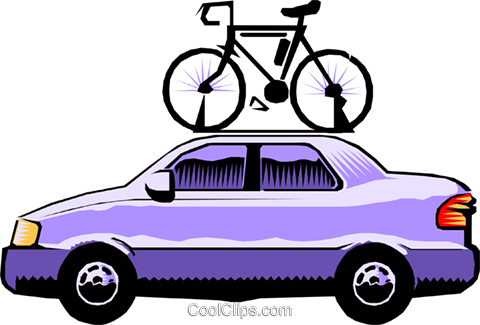


En comparativos, si el adjetivo es corto, es decir de una silaba, que agregamos?
ER
EST
MORE
MOST
En comparativos, si la palabra es larga, es decir tiene más de dos silabas, qué se le agrega?
ER
MORE
MOST
EST
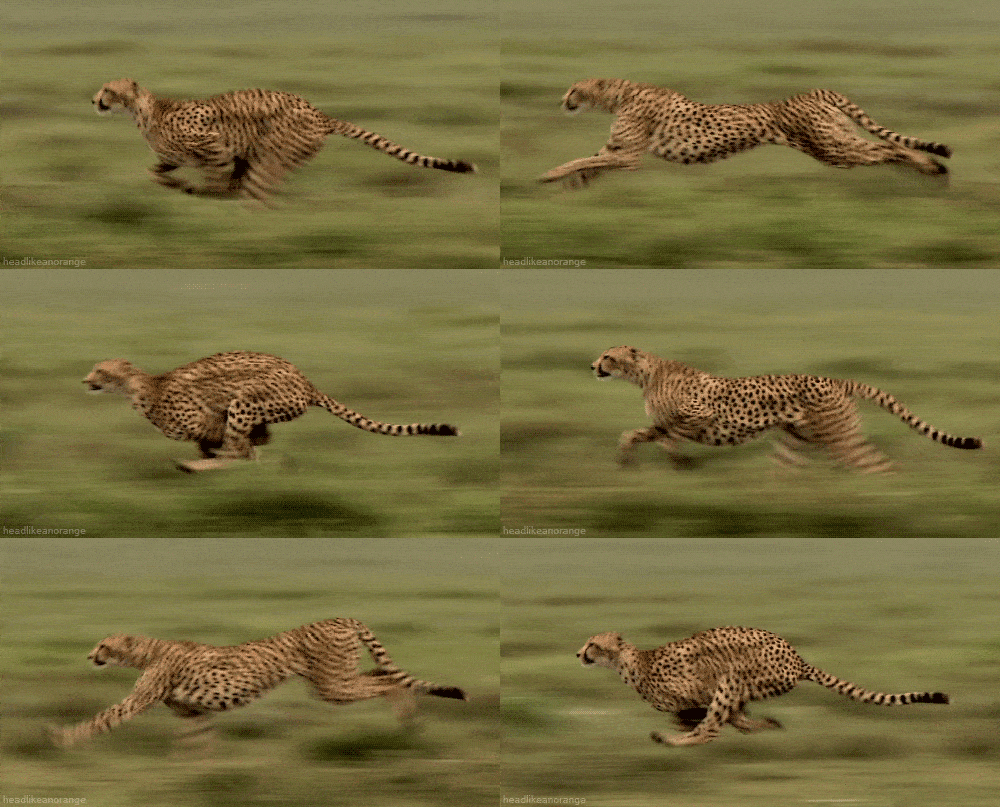


The old man has got a cat.
The old man have got a cat.
The old man hasn’t got a cat.
The old man has a dog.
Zoe has got a newspaper.
Zoe has got a book.
Zoe have got a book.
Zoe have got a newspaper.

She has to _________________________.
take the dog for a walk
clean the house
go out with friends

He has to __________________________.
practice sports
do his homework
surf the net
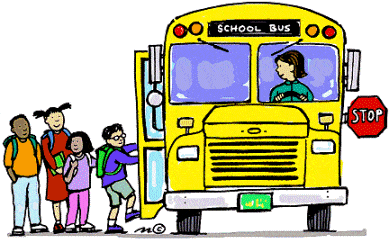
They have to ________________________.
be rude to others
pay attention to class
take the bus to school

You..........use the helmet here.
have to
don’t have to
must
mustn’t

The boy ........ tidy her bedroom.
have to
has to
must
mustn’t

You have to ________________.
eat fast food
eat healthy food
cook lunch

You have to __________________.
cook dinner
clean the house
wash the floor
--- dog has red eyes
the
a
an
Sam ____ (stop) the car to take a picture.
did stop
stops
stop
stopped
I ____ (study) for the exam for three hours.
studyed
studies
did studied
studied
They ____ (be) happy to be home
were
was
did be
been
When I was young, we always ____ (go) to Florida for the summer.
goen
goes
went
did go
I ____ (dream) I could fly last night.
Did dream
Did dreamed
dream
dreamed
_______ you ______ (find) your book?
Did / found
found / Did
Did / find
Do / find
Check the correct sentences:
Susan has never been to Thailand.
Always I try to arrive at the office before 9 a.m.
I eat sometimes muesli for breakfast.
I eat sometimes muesli for breakfast.
Gerald needs to take his medication three times a day.
You ....... visiting your friends
was
were
are
is
They ............... watching a film yesterday afternoon
weren`t
wasn`t
don`t
isn`t
cooking / she / arrived / was / I / when
Was She cooking when I arrived.
She was cooking when I arrived.
She cooking was when I arrived.
______ stars are in the sky?
How much...
How many...
_______ birds are in the tree?
How much...
How many...
_______ countries are in the World?
How much...
How many...

Complete la oración según la imagen:
I would like to go out, but ____________
I am going to watch a movie.
I am going to study for my exam.
I am going to cook dinner.
I am going to wash the car.

I don't want much. I just want _________ more water
a few
many
enough
a little
__________ of the kids get good marks but most of them don't
Too many
Little
Some
Too much
There are __________ things to do. You can't get bored!
plenty of
few
little
too much
There is ____ butter in the fridge.
Any
Some
Much
Few
I _____ go to France
Have
Will
Has
Was
We ______ study in the school
Not will
Havent
Wint
Wont
The interrogative structure with will is:
Will+subject+verb+complement+?
Will+verb+subject+complement+?
Subject+Will+verb+complement+?
Will+pronouns+verb+complement+?
If the plane is delayed, she will _____ late
Were
Was
Been
Be
She will miss the bus if she _______ son
Won't leave
Doesn't leave
Don't leave
Hasn't leave


I'm going to travel to the USA.
You should learn English.
You should take an aspirine.


I feel sick.
You shouldn't go to the school today.
You should study more.


My friend is sad.
You should invite him to go outside.
You should exercise every day.

I don't have money.
You should sell your Playstation.
You should sleep a little.


You_____________ plant vegetables.
Should
Shouldn't


Where is the cat?
on the box
in the box
under the table
in the classroom

Where is the dog?
under the bed
on the bed
in the bed
under the table

Where is the cat?
it is on the table
it is in the table
it is under the table
it is behind the table

The dog is: __________________
in the armchair
behind the armchair
next to the armchair
on the armchair

The man is .......... the car
on
in
under
behind
They are in the classroom


The ball is on the table
The chair is in the cat.
The ball is under the table.
The book is under the chair
¿cual es la frase correcta en pasado continuo?
I am learnig english
I will be learnin english
I was learning english
They ____ (not/do) their homework yesterday at 3 o'clock
was not doing
were not doing
was not do
We ____ (play) video games yesterday at 3 o'clock.
were play
was playing
were playing
was play
In 2010, we ____ (live) in a small flat in London.
were living
was live
were live
was living
My parents ____ (work) when I came home.
My parents was work when I came home.
My parents were work when I came home.
My parents was working when I came home.
My parents were working when I came home.
She ____ (listen) to music when I called.
She were listening to music when I called.
She was listen to music when I called.
She was listening to music when I called.
cooking / she / arrived / was / I / when
Was She cooking when I arrived.
She was cooking when I arrived.
She cooking was when I arrived.
You (watch).............. TV yesterday night.
was watching
were watching
were watch
was watch
It (rain)...........all the day.
was raining
were raining
was rain
were rain
The phone rang while I (have) ........breakfast.
was having
were having
was have
were have
You ....... visiting your friends
was
were
are
is

Do
(a)
watch
(a)
climb
(a)
is
(a)
What is the use of Simple Past Tense?
Is used to talk about things or actions that happened in the past and some daily routines.
Is used to talk about things or actions that happened in the past.
Is used to talk about things or actions in present, daily routines, hobbies, etc.
What is the use of Simple Present Tense?
Is used to talk about things or actions that happened in the past and some daily routines.
Is used to talk about things or actions that happened in the past.
Is used to talk about things or actions in present, daily routines, hobbies, etc.
What is the auxiliary verb in Simple Past Tense?
Do/Does
Did/Do
Did
Does/Did
What are the auxiliaries in Simple Present Tense?
Did/Do
Does/Did
Do/Does
Do/Dad
What is the past form of "Bleed" verb?
Bleeded
Bled
Blood
Blided
What is the past form of "become" verb?
Becomed
Bacame
Became
Becamed
Write a question with "Who" word
Write a question with "When" word
Choose right sentence:
There are three computers in the library
There is three computers in the library
Choose the wrong sentence:
There is four milks in the fridge
There is a bottle of milk in the fridge
What are the verbs that always end with -ed?
Irregular verbs
Regular verbs
What are the verbs that change in all the tenses?
Regular verbs
Irregular verbs
Write a positive sentence in Simple Past Tense.
Write a negative sentence in Simple Present Tense.
Write the number "9.547" in letters. (in English)
Give an auto-evaluation about your own process in English signature from 1.0 to 5.0

