wayground logo

Free Printable Worksheets

NEW

Font size

S
M
L
XL
Worksheets

C11-13 F2

Total questions: 61

Worksheet time: 3hrs 20mins

Name
Class
Date
1.
What is the composition of most comets?
a)
rock, ice, salt carbon
b)
rock, ice magma, frozen gases
c)
ice, dust, rock, frozen gases
d)
ice, dust, rock, soil
2.
Describe a comets origin and orbit.
a)
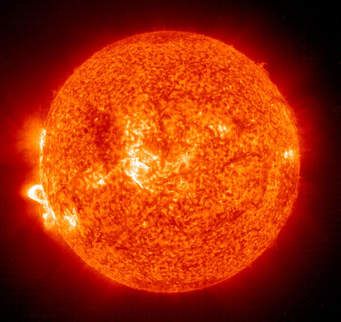
Between Mars and Jupiter, long-elliptical orbit
b)
Oort cloud or Kuiper belt, circular orbit similar to a planet
c)
Another galaxy, long-elliptical orbit
d)
Oort cloud or Kuiper belt, long elliptical orbit
3.
Describe an asteroids origin and orbit
a)
Between Mars and Jupiter, long elliptical orbit
b)
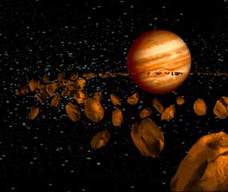
Between Mars and Jupiter, circular orbit
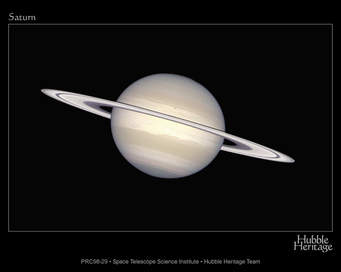
c)
Another galaxy, long elliptical orbit
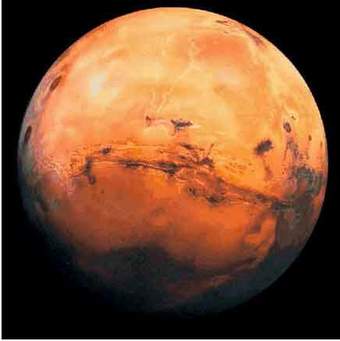
d)
Oort cloud, long elliptical orbit
4.
How does a meteor compare to a meteorite? 
a)
A meteor is moving through Earth's atmosphere and the meteorite actually lands on Earth
b)
A meteorite is moving through the Earth's atmosphere and the meteor actually lands on Earth
c)
Meteors are made up of Carbon and meteorites are made of ice
d)
They are the same thing
5.
Which of the following describes a Comet?
a)
Shooting star
b)
Generally found between Mars and Jupiter
c)
Orbit the sun like a planet
d)
Composed of a nucleus, coma, and tail
6.
Which of the following describes a Meteor?
a)
Found between Mars and Jupiter
b)
Orbit the sun like a planet
c)
Have an elliptical orbit of the sun
d)
Burn up as they enter the atmosphere
7.
Which of the following describes an asteroid?
a)
Composed of a nucleus, tail, and coma
b)
Orbit the sun like a planet
c)
Have an elliptical orbit of the sun
d)
Shooting star
8.
What is the composition of an asteroid?
a)
Ice, dust, rock, frozen gases
b)
Rock, ice, salt, carbon
c)
Metals and rocky material
d)
Rock, ice, magma, frozen gases
9.
What do comets and asteroids have in common?
a)
They both have a long elliptical orbit
b)
They orbit the sun between Mars and Jupiter
c)
They are both made up of rock, ice, and gas
d)
They are both leftovers from the materials that formed the solar system
10.
What is one difference between an asteroid and comet?
a)
A comet orbits the sun and an asteroid does not
b)
An asteroid is formed from leftovers from the formation of the solar system and a comet is not 
c)
When a comet comes near the sun it loses material while an asteroid typically remains solid
d)
An asteroid orbits the sun in the oort cloud while a comet orbits the sun between Mars and Jupiter
11.

Who was the astronomer who discovered the first asteroid in 1801?

a)

Galileo Galilei

b)

Nicolaus Copernicus

c)

Giuseppi Piazzi

d)

Ptolemy

12.

Asteroids are small rocky or metallic bodies that orbit the sun in the whole solar system.

a)

False, asteroids do not orbit the sun.

b)

False, there is a separate designation for bodies past Jupiter.

c)

True, asteroids are found throughout the solar system.

d)

True, asteroids are man made.

13.

What are the basic material that make up asteroids?

a)

55% Carbon, 40% Iron, 5% Silicon

b)

38% Sulfur, 29% Nitrogen, 13% Carbon, 20% Miscellaneous

c)

90% Iron, 8% Silver, 2% Copper

d)

75% Carbon, 17% Silicon, 8% Miscellaneous

14.

Ceres is the largest asteroid, and it is spherical.

a)

True, it retains is shape because of it's massive size.

b)

False, it is only a midsize asteroid.

c)

False, it is lumpy like deimos

d)

False, it is actually a moon.

15.

Do some asteroids have moons orbiting them?

a)

Yes, Cleopatra actually has two moons orbiting it.

b)

Yes, asteroids are as large as small planets so naturally they have moons.

c)

No, asteroids do not provide enough gravitational pull to retain a moon.

d)

We are not sure yet.

16.

Do all asteroids live in the main belt?

a)

No, there are some that have orbits that cross Mars and Earth

b)

Yes, once an asteroid leaves the main belt it becomes a comet.

c)

Yes, asteroids are pulled into the main belt through gravity and cannot escape it.

d)

No, asteroids sometimes leave and come back to the main belt after visiting neighboring planets.

17.

Where is the main asteroid belt located?

a)

Between Earth and Mars

b)

Between Venus and Mars

c)

Between Mars and Jupiter

d)

Between Mercury and Venus

18.

I originate beyond the outer plants, consist of rock, dust, ice, and frozen gases.

a)

comet

b)

asteroid

c)

meteor

d)

star dust

19.
We are composed mainly of rock and metal.
a)
comets and stars
b)
stars and meteors
c)
asteroid and meteors
d)
comets and asteroid
20.

Ceres is...

a)

the largest asteroid in the Kuiper Belt.

b)

the largest asteroid in the asteroid belt.

c)

an asteroid in the Oort cloud.

d)

a comet in the Oort cloud.

21.

The tail of a comet usually faces

a)

toward the sun.

b)

toward the Earth.

c)

away from the Sun.

d)

away from the Earth.

22.

I am sometimes called a shooting star.

a)

meteor

b)

asteroid

c)

comet

23.

We orbit the Sun.

a)

asteroid and comet

b)

comet and meteor

c)

asteroid and meteor

24.

I usually burn up in Earth's atmosphere.

a)

meteor

b)

asteroid

c)

comet

25.
What is a planet?
a)
a group of stars that forms a pattern in the sky
b)
a large ball of hot gases that gives off heat and light
c)
a large ball or rock or gas that moves around the sun
d)
a toy aliens play with
26.
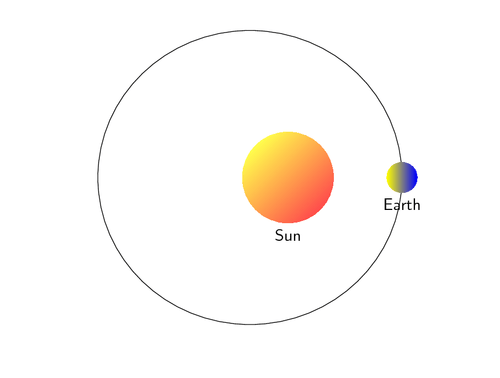
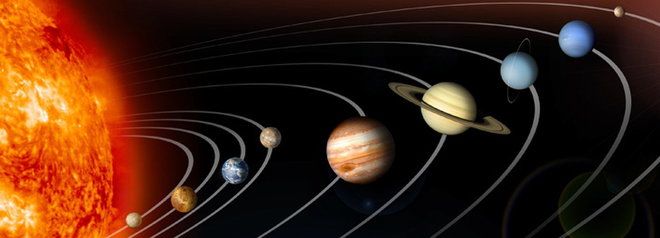
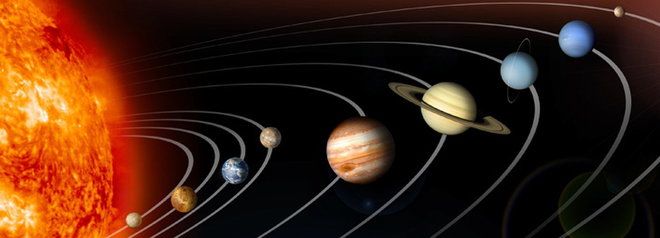
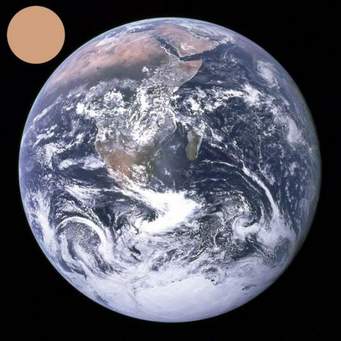
This picture shows the path Earth takes as it moves around the sun. What is the path called?
a)
a constellation
b)
a moon
c)
an orbit
d)
a planet
27.
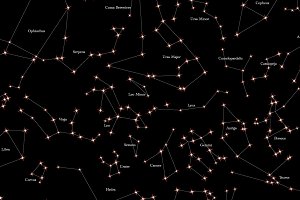
A group of stars forms a pattern. What is this pattern called?
a)
a solar system
b)
a constellation
c)
a ball of hot gases
d)
a planet
28.
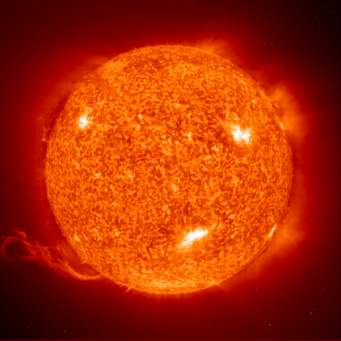
Which thing is a huge ball of hot gases that gives off heat and light?
a)
a moon
b)
a planet
c)
a star
d)
a spaceship
29.
A group of stars forms a pattern. What is this pattern called?
a)
a solar system
b)
a constellation
c)
a ball of hot gases
d)
a planet
30.
What is another word for rotate?
a)
orbit
b)
skip
c)
spin
d)
run
31.
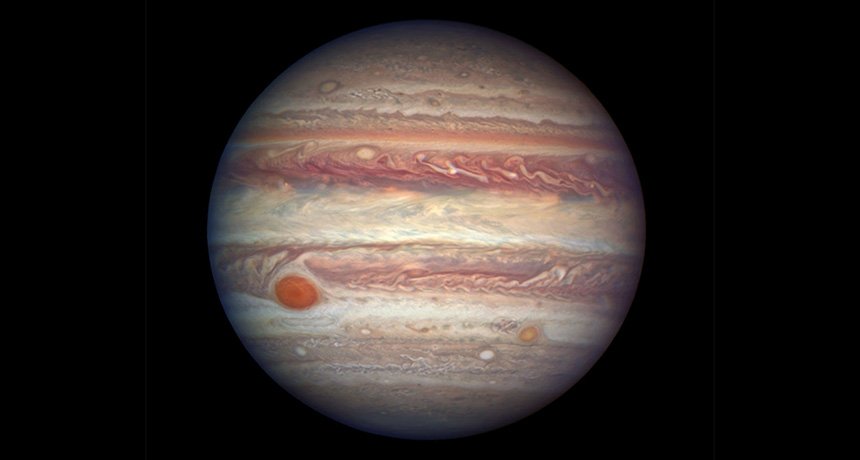
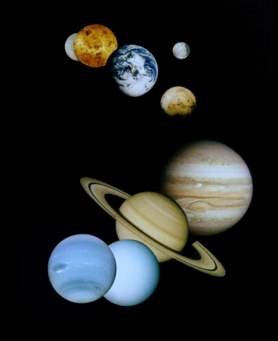
Which planet is the largest?
a)
Earth
b)
Jupiter
c)
Neptune
d)
the Sun
32.
Which planet is between Mercury and Earth?
a)
Mars
b)
Uranus
c)
Venus
d)
the Moon
33.
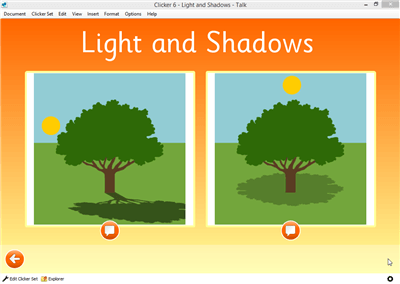
At what time of day is a shadow the shortest?
a)
8 AM
b)
12 PM
c)
4 PM
d)
when I am brushing my teeth
34.
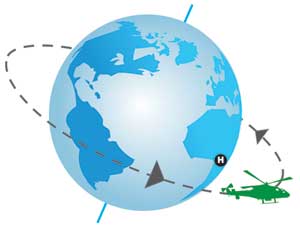
What happens when Earth rotates?
a)
The shape of the sun changes.
b)
The length of a shadow changes.
c)
The number of hours in a day changes. 
d)
The moon falls out of the sky. 
35.
How Many Planets orbit the sun in our solar system?
a)
4 planets orbit the sun.
b)
9 planets orbit the sun.
c)
8 planets orbit the sun.
d)
Over 20 planets orbit the sun.
36.
What planet is the largest planet in our solar system?
a)
Earth
b)
Jupiter
c)
Uranus
d)
Saturn
37.
What do the planets orbit around?
a)
They orbit around the Earth.
b)
They orbit around each other.
c)
They orbit around the sun.
d)
They orbit around the sun,
38.
What is the name of the Dwarf Planet in our solar system?
a)
Pluto
b)
Earth's Moon
c)
Mercury
39.
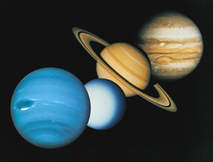
Which four planets are considered gas giants?
a)
Jupiter, Pluto, Earth, Mars
b)
Jupiter, Saturn, Uranus, Neptune
c)
Mercury, Earth, Mars, Venus
40.
What best describes the Asteroid Belt?
a)
A group of large rocks that are in outer space.
b)
The 8 planets that are in our solar system.
c)
A line of clouds in outer space.
41.
Which planet has the most rings?
a)
Uranus
b)
Earth
c)
Saturn
d)
Jupiter
42.
What is the hottest planet in our Solar System?
a)
Venus
b)
Mercury
c)
Earth
d)
Mars
43.
What planet has the nickname the Red Planet?
a)
Earth
b)
Saturn
c)
Mars
d)
Mercury
44.
How many moons orbit Jupiter?
a)
1 moon
b)
At least 63 maybe more.
c)
100 moons
d)
24 moons
45.
Why are all the planets round in the solar system?
a)
The planets are round because of gravity.
b)
The planets are round because they orbit the sun.
c)
The planets spin and that makes them round.
d)
They are not round.
46.

Stars form from huge clouds of gas and dust in space called :

a)

supernova

b)

nebula

c)

the Kuiper Belt

d)

the Oort Cloud

47.

What force causes a cloud of dust and gas to come together and form a star ?

a)

friction

b)

magnetism

c)

electromotive

d)

gravity

48.

If a star is large enough, nuclear _____________ will occur and a star will be born

a)

fission

b)

fusion

49.

In a star's core, how is energy being produced ?

a)

gold turns into silver

b)

oxygen turns into carbon dioxide

c)

hydrogen turns into helium

d)

aluminum turns into carbon

50.

What factor determines how long a star will last ?

a)

it's mass

b)

it's composition

c)

neighboring stars

51.

When the core of a Red Giant collapses it becomes a:

a)

White Dwarf

b)

Supernova

c)

Red Supergiant

d)

Black Hole

52.

Once star has ignited and has used up all of the hydrogen are called:

a)

Neutron Star

b)

White Dwarfs

c)

Red Giants

d)

Black Holes

53.

After a supernova, the core can collapse into a neutron star, or if massive enough it can become a:

a)

Black Hole

b)

White Dwarf

c)

Red Supergiant

d)

Black Dwarf

54.

One possible outcome that is left after a supernova is a super dense core called a:

a)

Neutron Star

b)

White Dwarf

c)

Red Giant

d)

Black Dwarf

55.
What kind of galaxy is this?
a)
Ring
b)
Irregular
c)
Spiral
d)
Elliptical 
56.
What type of galaxy do we live in?
a)
Spiral
b)
Elliptical
c)
Irregular
d)
Coaxial
57.
What type of galaxy is this?
a)
Spiral
b)
Elliptical
c)
Irregular
d)
Irrational
58.

Which of the following correctly places these in order from LARGEST to SMALLEST?

a)

galaxy -- local group/cluster -- planet -- solar system -- universe

b)

universe -- local group/cluster -- galaxy -- solar system -- planet

c)

planet -- solar system -- galaxy -- local group/cluster -- universe

d)

universe -- galaxy -- solar system -- local group/cluster -- planet

59.

A Group of stars, and or star systems, star clusters, dust and gas held together by gravity is known as:

a)

Universe

b)

Galaxy

c)

Solar System

d)

Planet

60.

What unit is used to measure distances in space?

a)

Light year

b)

Kilometer

c)

Miles

d)

Solar unit

61.

WHAT TYPE OF GALAXY IS ANDROMEDA

a)

SPIRAL

b)

ELLIPTICAL

c)

IRREGULAR