Worksheets
Unit 4: Photosynthesis & Cellular Respiration
Total questions: 40
Worksheet time: 21mins
In what cell structure does aerobic cellular respiration take place?
Nucleus
Ribosome
Chloroplast
Mitochondria
Cellular respiration without oxygen is called ______________ respiration.
Aerobic
Anaerobic
De-oxygenated
None of these
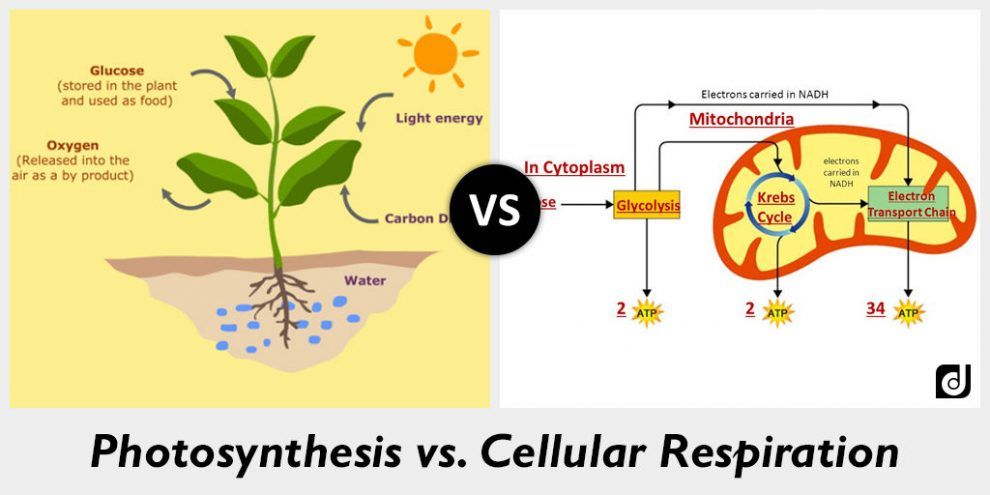
Before cellular respiration can start, the glucose molecule first goes through a process called _______________ which takes place in the cytoplasm of the cell; literally means "glucose breaking" and yields a total of 2 ATP.
Osmosis
Glycolysis
Pyruvate
Calvin Cycle
Heterotrophs are
producers
consumers
organisms that make their own food
capable of performing photosynthesis
When is energy released from the ATP molecule?
When a ribose sugar is added to ATP
When adenosine is removed from ATP
When a phosphate group is broken off and removed to form ADP
When a phosphate group is added to ADP
Under low oxygen conditions, the production of lactic acid in your body can lead to what?
The shutdown of glycolysis
Muscle soreness and fatigue
The production of more oxygen
The production of more carbon dioxide
Lactic acid and yogurt can be produced as a result of:
Fermentation
Photosynthesis
Aerobic Cellular Respiration
Which of the following is considered a waste product of cellular respiration?
ATP
Oxygen
Glucose
Carbon Dioxide
Both autotrophs and heterotrophs undergo photosynthesis.
True
False - neither do
False - only autotrophs do
False - only heterotrophs do
Water is a product of cellular respiration.
True
False - photosynthesis
Carbon dioxide is given off to the surroundings by organisms that perform cellular respiration.
True
False - photosynthesis
False - osmosis
False - glycolysis
Cellular respiration converts the energy in the bonds of glucose into usable energy for the cell.
True
False - photosynthesis
False - diffusion
False - mitosis
Plant cells do not contain mitochondria.
True
False
This is a process that converts light energy to chemical energy in order to produce food?
Cellular respiration
Photosynthesis
Glycolysis
Kreb's cycle
Which organelle is responsible for photosynthesis?
Mitochondria
Nucleus
Chloroplast
Lysosome
Both carotenoids and chlorophylls are what?
Found in plants
Absorb light energy
Reflect different colors
All of these
Water vapor / oxygen exit and carbon dioxide enters the leaf through what structure?
Stoma
Grana
Photons
Chloroplast
Chemosynthesis would happen in which of the following situations?
Dandelion in field
Bacteria in deep ocean
Kelp in the pond
Tree in the forest
Which of the following is not an example of an autotroph?
Photosynthetic bacteria
Sunflower
Bumble bee
Pine tree
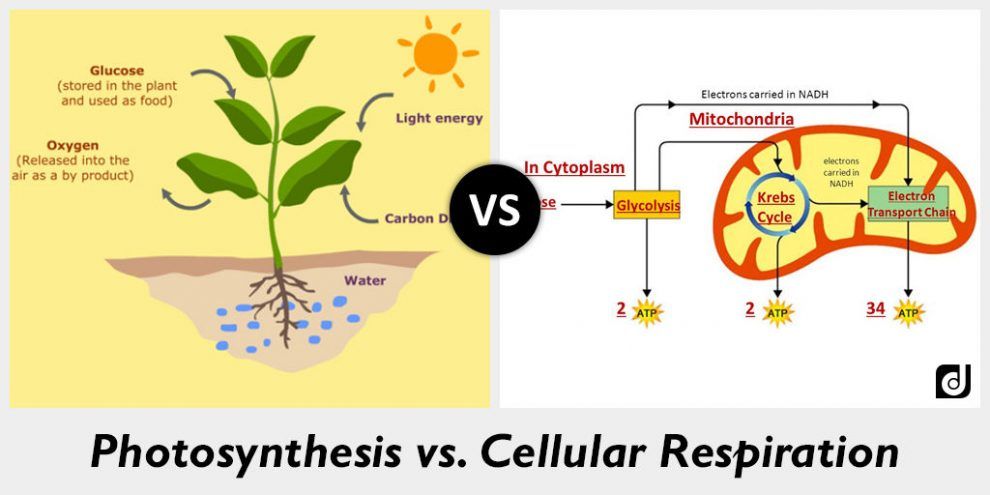
When analyzing the cellular respiration and photosynthesis equation, what can you conclude?
They are opposites of each other
Energy is included in both
In photosynthesis CO2 is a reactant but it is a product of cellular respiration
All of these are correct
On a lovely fall evening you notice that your maple tree's leaves are turning red. Which pigment must be present in the leaf?
Chlorophyll a and b
Carotene
Anthocyanins
None of the above
Gases are exchanged through both cellular respiration and photosynthesis via what?
Diffusion
Osmosis
Active Transport
Endocytosis
Where does energy on earth ultimately come from?
Water
Air
Land
Sun
Which of the following equations correctly sums up the overall process of cellular respiration?
Glucose + oxygen --> carbon dioxide + water + energy
Carbon dioxide + water + energy --> glucose + oxygen
Glucose + energy --> carbon dioxide + oxygen + water
Oxygen + water + energy --> glucose + carbon dioxide
Which of the following equations correctly sums up the overall process of photosynthesis?
Glucose + water + sunlight --> carbon dioxide + oxygen
Carbon dioxide + water + sunlight --> glucose + oxygen
Oxygen + water + sunlight --> glucose + carbon dioxide
What biological molecule is LEAST likely to be broken down into energy?
Carbohydrates
Fat
Protein
Why do we usually see a green color from plants?
All colors of light are reflected but the green color is absorbed
All colors of light are absorbed but the green color is reflected
Where are the high energy bonds found in ATP?
Bonds between nitrogen base and sugar
Bonds between sugar and phosphate
All 3 phosphate bonds
Only the outer 2 phosphate bonds
How does glucose enter the cell? (outside the cell is a high concentration, inside the cell is a low concentration, it is also a large molecule)
Diffusion
Active transport
Facilitated diffusion
Osmosis
What are the reactants of photosynthesis?
glucose and oxygen
glucose and carbon dioxide
water, carbon dioxide, and sunlight
water, oxygen, and sunlight
What are some products of fermentation?
Bread
Cheese
Biofuels
All of these
Why are stomata located on the underside of the leaf?
Because they are such large cells
Because they do not have chloroplasts
To prevent water loss and evaporation
To keep the leaf thin
Why do leaves have a large surface area?
To capture as much water as possible
To capture as much sunlight as possible
To release as much oxygen as possible
To reflect as much light as possible
Which of the following is a usable form of energy produced during cellular respiration?
ADP
ATP
AEP
AHP
When oxygen is present, cellular respiration in your body cells yields a total of _______ ATP per glucose molecule.
2
15
26
36-38
Cellular respiration is different from fermentation in that respiration needs...
oxygen
carbon dioxide