
Font size
 Worksheets
CHEM TEST REVIEW Periodic Table Groups
Total questions: 80
Worksheet time: 1hrs 13mins

Vertical (up and down) columns in the periodic table are called _________ of elements and have similar properties.
groups
periods

Look at your periodic table. How many groups (or families) are there?
7
8
12
18

The horizontal (left to right) rows on the periodic table are known as
periods.
atoms.
groups or families.
valence electrons.

Look at your periodic table. How many periods are there?
6
7
8
18
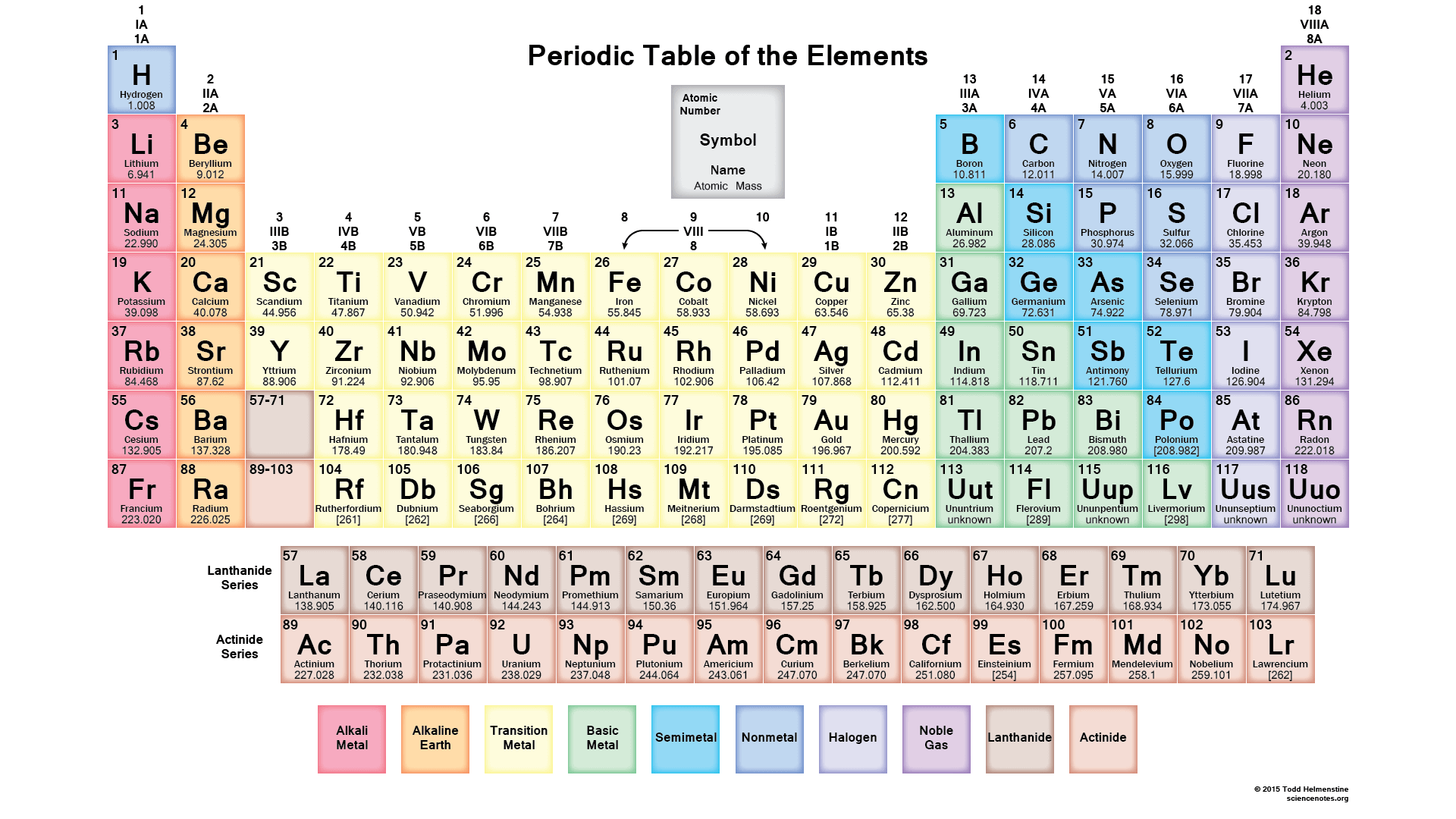

Sodium (Na) is found in period
3
2
4
1

The number of energy levels correspond to the row or period on the periodic table. What period is this element located in?
1
2
3
4

What period is this element located in?
(Hint: count the number of energy levels)
2
3
4
6

Look at your periodic tables. How many energy levels are in an atom of Cesium, Cs?
55
133
1
6

What element is in period 3 group 18 (8A)?
Aluminum
Potassium
Argon
Neon

Which element is located in group 3A and period 4?
Boron
Silicon
Beryllium
Gallium

The period for Bromine is ___________.
3
2
4
1

alkali metals
alkaline earth metals
noble gases
halogens


What type of element makes up the largest percentage of elements on the Periodic Table?
metals
nonmetals
metalloids
halogens
Which two elements have the most similar chemical properties?
K and Na
K and Ca
K and Cl
K and S
Which element has similar chemical properties to: Chlorine (Cl)?
Lithium (Li)
Fluorine (F)
Krypton (Kr)
Barium (Ba)
Which element has similar chemical properties to: Rubidium (Rb)?
Lithium (Li)
Fluorine (F)
Krypton (Kr)
Barium (Ba)
Which element has similar chemical properties to: Calcium (Ca)?
Lithium (Li)
Fluorine (F)
Krypton (Kr)
Barium (Ba)
Potassium (K) is a...
Alkali Metal
Alkaline Earth Metal
Halogen
Noble Gas
Xenon (Xe) is a...
Alkali Metal
Alkali Earth Metal
Halogen
Noble Gas
Chlorine (Cl) is a...
Alkali Metal
Alkali Earth Metal
Halogen
Noble Gas
Sodium (Na) is a...
Alkali Metal
Alkali Earth Metal
Halogen
Noble Gas

These groups have very special properties
These groups are not true elements
Simply for printing purposes
Because Mendeleev said so.


Which group has the most reactive nonmetals?
(HINT: group 17 and next to the non-reactive group)
alkali metals
noble gases
metalloids
halogens

Name the group that contains inert (nonreactive) elements.
noble gases
halogens
alkali metals
alkaline earth metals

The bottom row of the bottom section of the periodic table (highlighted here in pink) are the...
lanthanides
actinides
inner transition metals
active metals

Name group 1 on the periodic table.
alkali metals
alkaline earth metals
noble gases
halogens

Name group 2 on the periodic table.
alkali metals
alkaline earth metals
noble gases
transition metals

Name group 18 on the periodic table.
alkali metals
alkaline earth metals
transition metals
noble gases

Name groups 3 - 12 on the periodic table.
noble gases
halogens
metalloids
transition metals

Name group 17 on the periodic table.
transition metals
metalloids
halogens
alkali metals

The 2 groups that make up the Inner Transtion metals are...
Alkali Metals
Lanthanides
Halogens
Actinides

What group and period does this element belong in? *
period 1 and group 3
period 3 and group 1
period 2 and group 3
period 3 and group 2

This group of elements does not react with other elements to form compounds because they have a full valence shell
Alkali Metals
Transition Metals
Halogens
Noble Gas
How many Valence electrons does nitrogen have?
(a)
How many electron energy levels will sodium have?
(a)
Elements in a .................. have similar chemical properties.
period
group
row

What is the name given to the elements in the Lanthanide and Actinide Series (Bottom two rows)?
Noble Gases
Inner Transition Metals
Transition Metals
Halogens
All elements in the same GROUP have the same number of ___.
protons
neutrons
atomic mass units
valence electrons
The _______ tells us how many energy shells an element has.
group
period
atomic number
element symbol

Halogens have _________ electrons in their outermost shell.
2
7
8
18
Bismuth is in what family?
Halogens
Chalcogens
Nitrogen
Noble Gases
What is a valence electron?
Electrons in the first energy shell
Electrons in the second energy shell
Electrons in the outer shell
Total number of electrons

What does the Bohr Model represent?
The structure of molecules
The structure of the Solar System
The structure of an atom
The structure of East Hills

Which element is this?
Nickel
Neon
Sodium
Nitrogen

Name this element.
Argon
Chlorine
Aluminum
Boron

Name this element.
Neon
Magnesium
Sodium
Manganese

What is the atomic number of this atom?
2
4
6
8

What is the mass number of this atom?
1
3
4
7

What is this element?
(blue=protons)
(yellow=neutrons)
(red = electrons)
Beryllium (atomic #4)
Boron (atomic #5)
Carbon (atomic #6)
Nitrogen (atomic #7)

How many valence electrons?
2
3
4
5

How many valence electrons?
2
4
6
8

What group does this element belong to?
1
2
17
18

How many valence electrons?
2
5
6
8

Elements in Group number 17 are known as
Alkai Metals
Alkaline Metals
Halogens
Noble Gases
Which group includes non-reactive gasses that have a full outer electron shell?
Alkai Metals
Alkaline Metals
Halogens
Noble Gases

Which group includes soft, highly reactive metals with one electron in their outer shell?
Alkai metals (group 1)
Alkaline metals (group 2)
Halogens (group 17)
Noble gasses (group 18)

How many valence (outer) electrons does an Oxygen atom have?
2
6
8
16
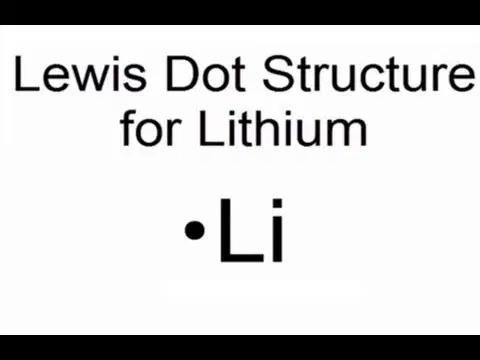
The Lewis Dot diagram for Lithium contains 1 dot. This 1 dot represents......
valence electrons
total number of electrons
number of neutrons
number of protons
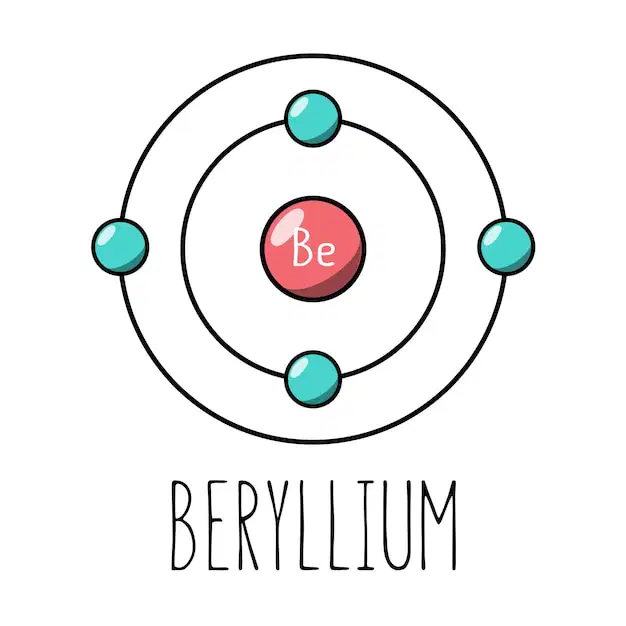

This could be the dot diagram of
Mg
Cl
C
O

This is a correct dot diagram for neon (Ne)
true
false
How would you draw a Lewis dot diagram for Magnesium?


Which of the following shows a correct Lewis dot structure?


Which of these is correct?


What is the goal of the Lewis Dot Structure?
To determine the electron position.
To show the element's valence electrons & bonding capabilities.
To find the atomic mass of an element.
To search for the number of electrons in an individual atom.

This is a correct dot diagram for carbon (C)
true
false
Which of these is correct?



