
 Worksheets
Chemistry Review
Total questions: 23
Worksheet time: 14mins
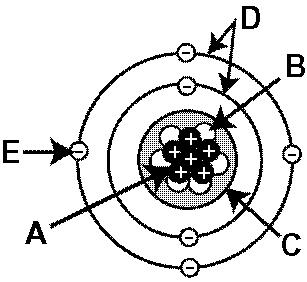
In the atom diagram shown, A is pointing to the darker particles, these are known as
electrons
protons
neutrons
the nucleus
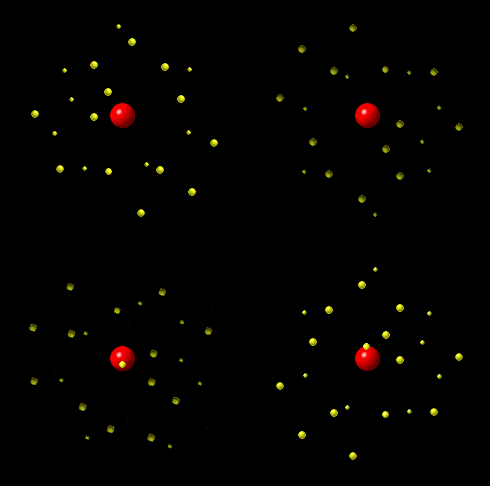

In this chemical equation, the elements in red are the_______.
Products
Reactants
Subscripts
Coefficients
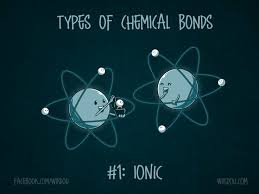
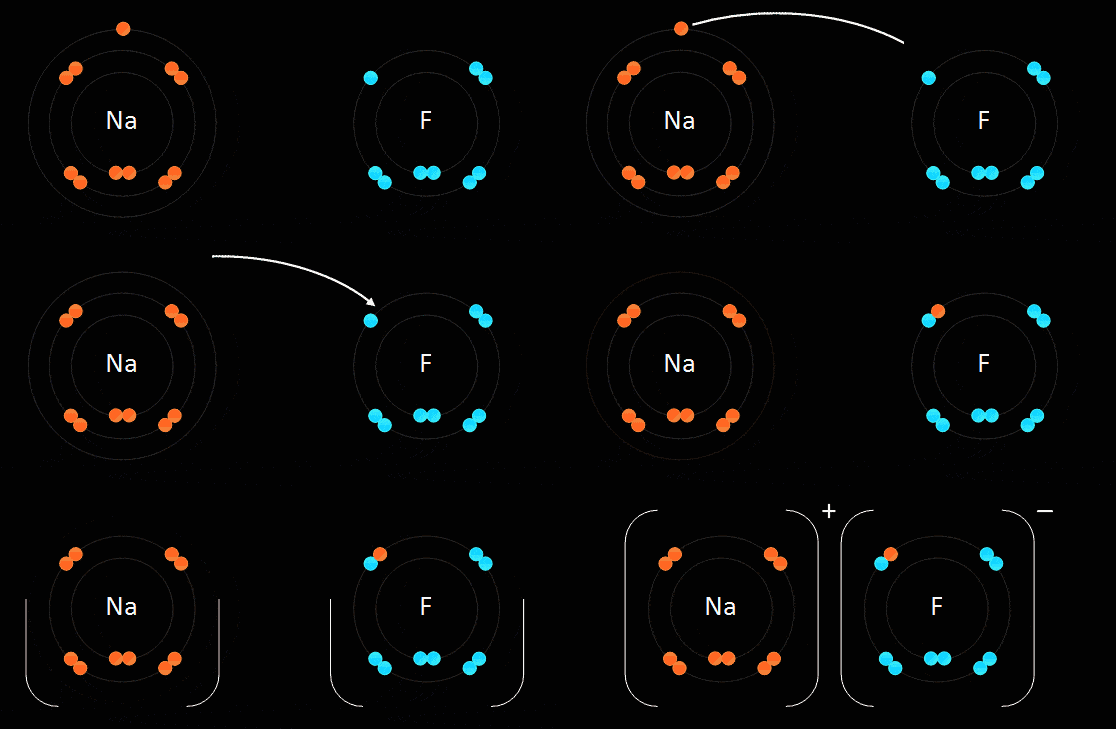
An ionic bond forms when
valence electrons are shared back and forth (move between) two atoms.
a sea of mobile electrons surround the cations and they then become negativly charged
valence electrons are transferred from one atom to another, forming charged ions that are then pulled together by attraction between opposite charges
none of the above
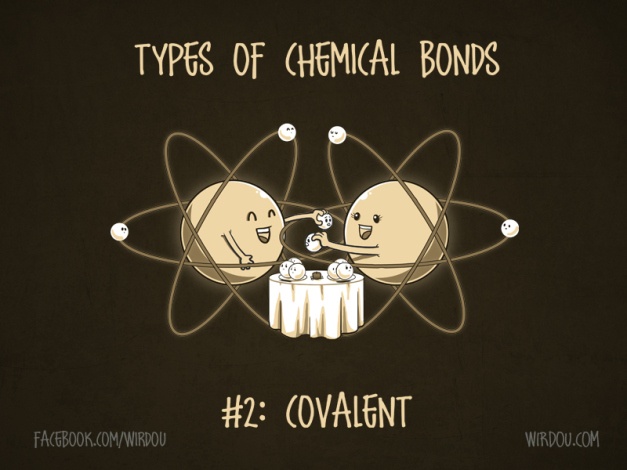
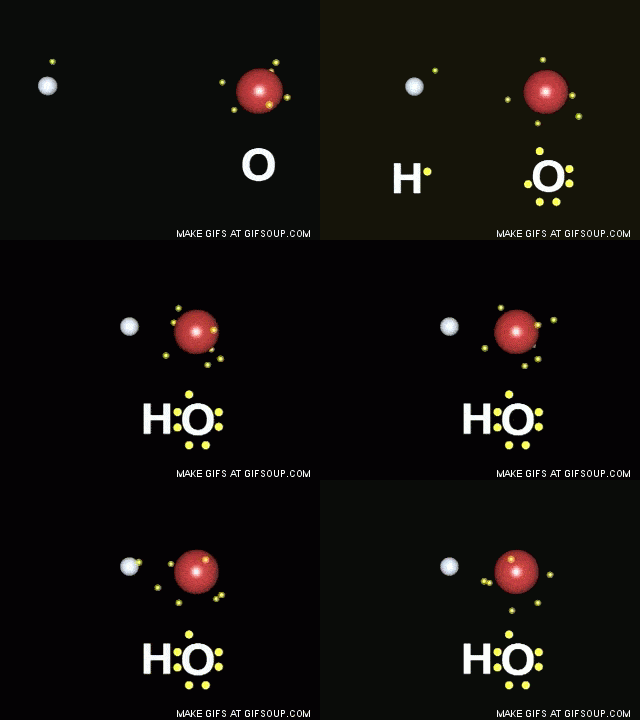
Covalent bonds form when
the electronegativity difference between two atoms is very large.
electrons are completely transferred between two atoms.
pairs of electrons are shared between two atoms.
ions are held together by opposite charges.
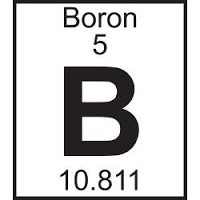
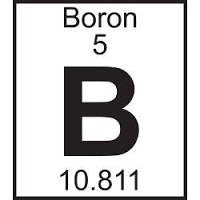
Using the information provided, determine how many electrons the a Boron atom contains.
2.5
5
6
10.81
The end result of a chemical reaction
reactants
electrons
atomic mass
products
Which subatomic particle has a positive charge?
protons
neutrons
electrons
Four of the elements of life are...
___________ electrons are in the outermost shell and participate in bonding
Radioactive
Ionic
Valence
In a ___________________ covalent bond, one pair of electrons is shared
Single
Double
Nonpolar
Polar
Carbon (atomic number of 6) has four valence electrons. How many covalent bonds can carbon make?
1
2
4
6
Oxygen (atomic number 8) has 6 valence electrons. How many covalent bonds can oxygen make?
1
2
6
8
How many valence electrons does Nitrogen have? Hint: atomic # is 7
2
5
7
0
Neon (atomic number 10) has 8 valence electrons. How many covalent bonds will Neon make?
0
2
8
10
Hydrogen (atomic number 1) has one electron in its first energy level. How many covalent bonds can hydrogen make?
0
1
2

