
 Worksheets
Biomolecules
Total questions: 56
Worksheet time: 49mins
What is the function of carbohydrates?
provides quick energy
stores energy
helps with growth and repair of tissues
stores genetic information
What is the function of lipids?
provides quick energy
stores energy
helps with growth and repair of tissues
stores genetic information
What is the function of proteins?
provides quick energy
stores energy
helps with growth and repair of tissues
stores genetic information
What is the function of nucleic acid?
provides quick energy
stores energy
helps with growth and repair of tissues
stores genetic information
What is the monomer for carbohydrates?
Monosaccarides
Fatty Acids
Amino Acids
Nucleotides
What is the monomer for Lipids?
Monosaccarides
Fatty Acids
Amino Acids
Nucleotides
What is the monomer for proteins?
Monosaccarides
Fatty Acids
Amino Acids
Nucleotides
What is the monomer for nucleic acid?
Monosaccarides
Fatty Acids
Amino Acids
Nucleotides
Which are examples of a carbohydrate?
glucose, pasta, bread
fats, oils, waxes
meats, enzyme, lactase, eggs
DNA, RNA
Which are examples of lipids?
glucose, pasta, bread
fats, oils, waxes
meats, enzyme, lactase, eggs
DNA, RNA
Which are examples of proteins?
glucose, pasta, bread
fats, oils, waxes
meats, enzyme, lactase, eggs
DNA, RNA
Which are examples of Nucleic Acids?
glucose, pasta, bread
fats, oils, waxes
meats, enzyme, lactase, eggs
DNA, RNA
These are macromolecules that speed up the dehydration process.
Condensation
Hydrolysis
Synthesis
Enzymes



This carbohydrate functions to store short-term energy in the muscles and liver of animals:
Chitin
Cellulose
Starch
Glycogen
______+_____= lactose
glucose + glucose
glucose+ fructose
glucose + galactose
fructose + fructose
galactose + fructose
______+_____= sucrose
glucose + glucose
glucose+ fructose
glucose + galactose
galactose + fructose
fructose + fructose
______+_____= Maltose
glucose + glucose
glucose+ fructose
glucose + galactose
galactose + fructose
fructose + fructose
Which image shows fructose?


Which of the following is known as animal starch?
alpha-glucose
beta-glucose
starch
glycogen
cellulose
which of the following reagent can be used to test for the persence of reducing sugar?
Benedit Solution
Schabs solution
Fehling's Solution
Millons Reagent
What is the name of the bond that joins two amino acids together?
Ester bond
Glycosidic bond
Peptide bond
Nucleic bond
Vitamin K..
Helps us stops bleeding
Absorbs calcium leading to stronger bones
Fights off sickness
Helps us see at night
Which nutrient found in fruits would a doctor most likely recommend to help boost the immune system?
Iron
Calcium
Vitamin C
Vitamin K
VITAMIN A
RETINOL
PHYLLOQUINONE
NIACIN
FOLIC ACID
VITAMIN K
TOCOPHEROL
NIACIN
ASCORBIC ACID
PHYLLOQUINONE
VITAMIN D
RETINOL
PHYLLOQUINONE
CALCIFEROL
PYRIDOXINE
VITAMIN E
CALCIFEROL
TOCOPHEROL
COBALAMINE
THIAMINE
VITAMIN B1
RIBOFLAVIN
RETINOL
TOCOPHEROL
THIAMINE
VITAMIN B2
NIACIN
RIBOFLAVIN
CALCIFEROL
FOLIC ACID
VITAMIN B3
NIACIN
RETINOL
TOCOPHEROL
PYRIDOXINE
VITAMIN B5
ASCORBIC ACID
FOLIC ACID
PANTHOTHENIC ACID
PHYLLOQUINONE
VITAMIN B6
PYRIDOXINE
CALCIFEROL
PHYLLOQUINONE
TOCOPHEROL
VITAMIN B9
FOLIC ACID
COBALAMINE
RETINOL
TOCOPHEROL
VITAMIN B12
FOLIC ACID
COBALAMINE
NIACIN
RIBOFLAVIN
VITAMIN C
NIACIN
RETINOL
ASCORBIC ACID
FOLIC ACID
A diet lacking in ___________ leads to the development of a disease known as scurvy.
Vitamin A
Vitamin B
Vitamin C
Vitamin D
_____________ are molecules that boost the immune system. They do so by protecting cells from harmful molecules called free radicals.
Antbodies
Surfactants
Anti free radicals
Antioxidants
Which of the following vitamins are fat-soluble?
A, B, E, C
B, C, E, K
D, K, B, C
K, A, D, E
ATG TGA CAG
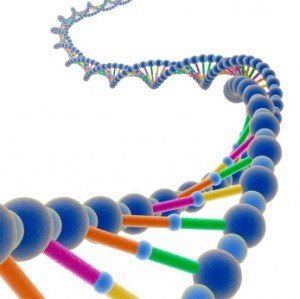
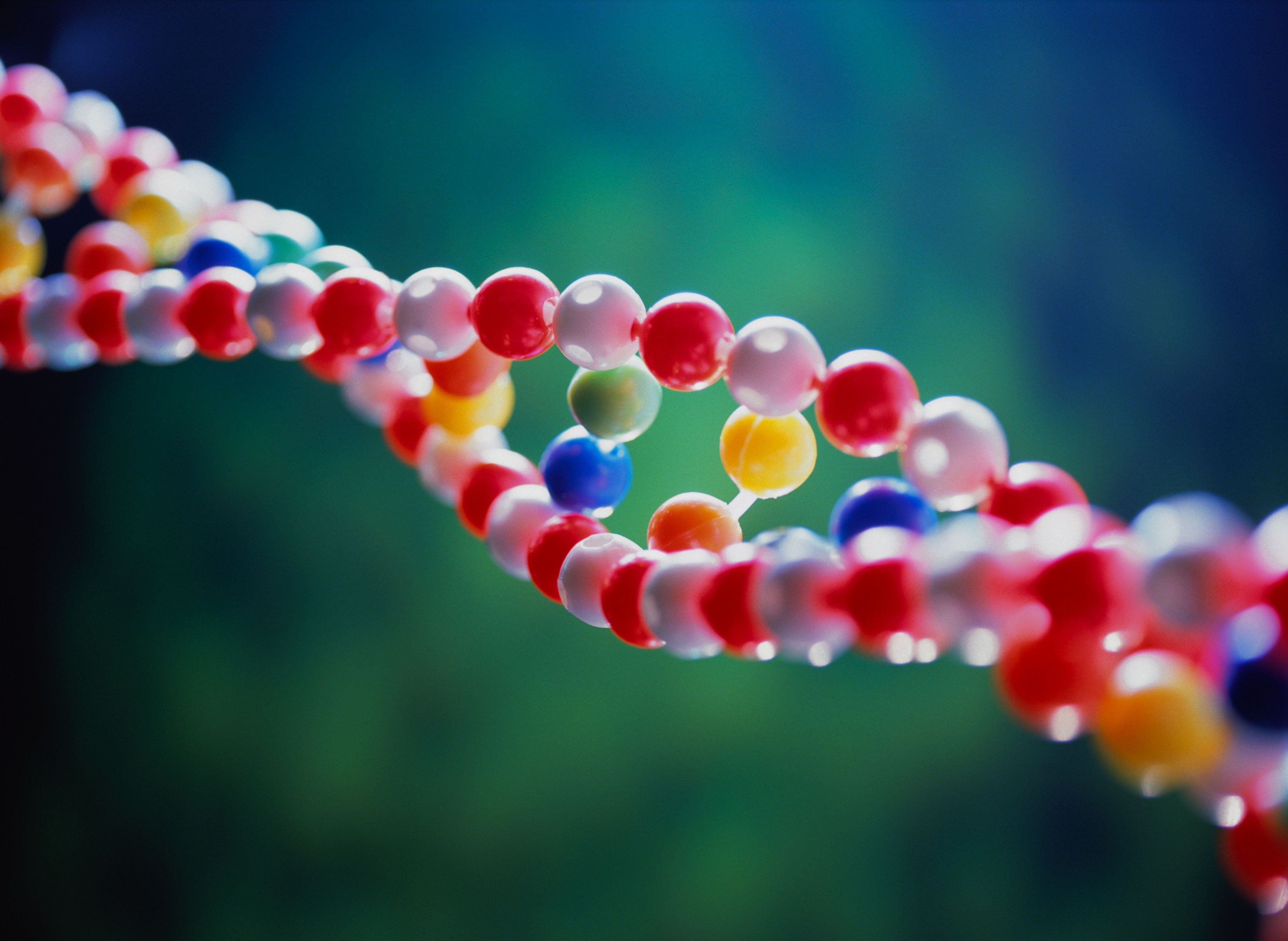


What is the primary function of DNA?
To determine the sequence of amino acids in a protein molecule
To determine the sequence of saccharide monomers in a polysaccharide molecule
To determine the sequence of traits in an individual
To determine the sequence of fatty acids in a glycerol molecule

