
 Worksheets
Unit 9: Population Ecology Station Activity
Total questions: 45
Worksheet time: 29mins


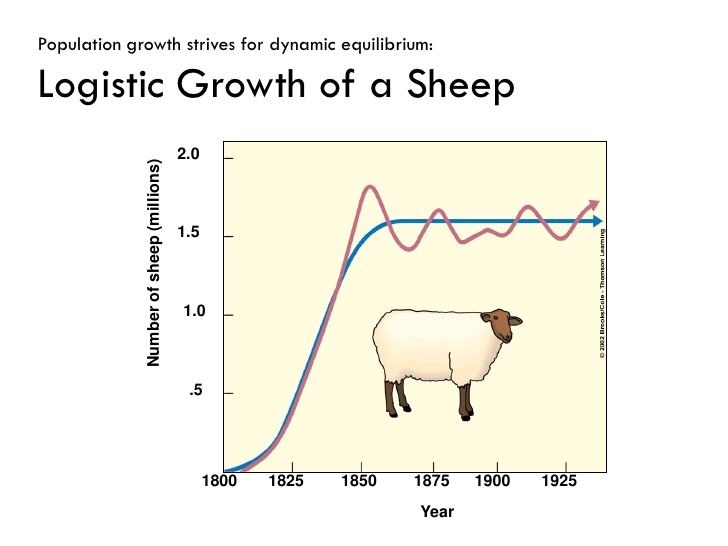
What point on the graph represents the carrying capacity?
A
B
C
D

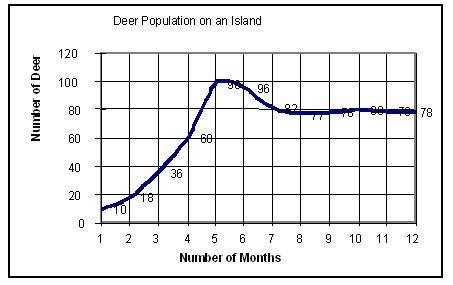
Which choice most closely approximates the deer population's carrying capacity based on the graph?
100
80
60
10

The Florida Panther is a large cat that is native to the southern parts of Florida. Recently, the panther's main food source, rabbits, have been infected with a deadly disease that only affects rabbits. How would this most likely affect the population of panthers in the coming years?
The panther population will decrease since they won't have access to as much food
The panther population will not be affected because they will adapt to eating other food
The panther population will increase because they will produce more offspring to make up the difference
The panther population will decrease because they will contract the disease.

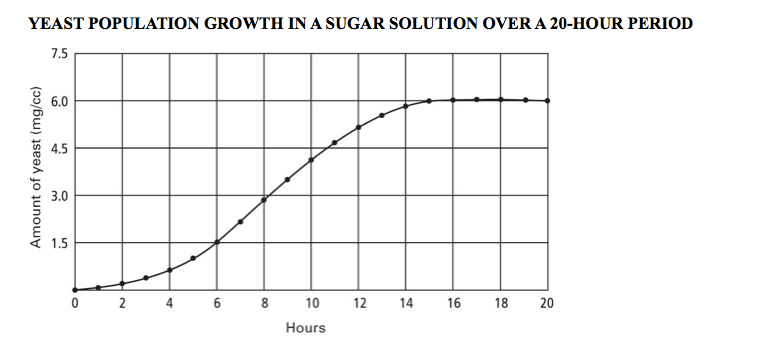
Which is a biotic factor?
soil
air
bacteria
water
Which of the following is a density independent factor?
competition for resources
predation
disease
natural disasters
Which of the following variables increase population size?
Deaths
Emigration
Immigration
This type of species puts energy into reproduction not survival.
r-selected
k-selected
s-selected
j-selected
When a population goes over the carrying capacity this is known as
oscillation
overshoot
dieback
exponential

A species that plays a critical role in the health, maintenance, growth, or definition of an ecosystem.
keystone
invasive
engineer
predator
Why are bees considered a keystone species?
The honey they make supports the bear population
They pollinate flowers that produce fruit which supports the ecosystem
They sting when threatened
They live in hives
What is species diversity?
the different animals in an area
the different habitats in an area
the different plants in an area
the different living things (plants and animals) in an area
Match the following levels of classification to the pictures:

Organism

Population

Community

Ecosystem
Select all that apply: Which of the following are biotic factors?
Rocks
Water
Moss
Bacteria
In a forest, the carrying capacity for squirrels is about 100. If humans cut down part of the forest to build houses, what will happen to the carrying capacity for the squirrels?
it will increase
it will decrease
it will stay the same

A population of foxes has 36 individuals. In one year, 10 baby foxes are born and 6 older foxes die. The population at the end of the year is (a) .

What does the yellow line represent?
exponential growth
logistic growth
carrying capacity
none of the above
What process occurs when light energy is captured by chlorophyll in autotrophs and converted into sugar?
Photosynthesis
Cellular Respiration

Animal that gets its energy and nutrition from eating meat.
Detritivore
Ominvore
Carnivore
Herbivore

Which process do plants use to turn sunlight into food energy?
photosynthesis
cellular respiration
transpiration
evaporation

What would happen to this food chain if we doubled the population of the rabbits?
The populations of the snakes and hawks would also increase.
The populations of the grass, snakes, and hawks would decrease.
The grass population would decrease. The snake and hawk population would increase.
The grass and hawk population would decrease. The snake population would increase.

At the end of the graph, the Canadian lynx population starts to decline. What do you predict will happen to the snowshoe hare population following the decline of their predator?
the snowshoe hare population will most likely increase
The snow shoe hare population will most likely decrease

If the amount of food or resources available increases, the carrying capacity for an animal.....
Stays the same
Increases
Decreases
Fluctuates

When a population grows past the ecosystem's carrying capacity, what happens to the population?
Continues to grow
The population starts to die off to return to carrying capcity
The population will go extinct due to lack of resources
The population grows then finds a new carrying capacity

Water, sunlight, shelter, and space are resources that are often........
abiotic limiting factors
biotic limiting factors
non-limiting factors
exponetial factors

Logistic growth is representative of a population in an environment with .................... resources.
limited
plenty of
no resources
biotic

