
 Worksheets
Structure of atom , Periodic table
Total questions: 216
Worksheet time: 3hrs 33mins
Subatomic particles with a negative charge
Electrons
Neutrons
Protons
Quarks

A horizontal row of elements in the periodic table
Molecule
Period
Family
Atom

What is one way Neutrons are different from electrons?
they both are negative
neutrons have no charge, while electrons have a negative charge
Both are in the nucleus( center of atom)
Electrons are inside nucleus and neutrons are outside the nucleus.

What is the atomic number?
35
18
17
52

How many protons and electrons does this element have?
35
18
17
52

How many neutrons does calcium have?
20
40
60
0

What is the atomic mass of Arsenic?
33
107
75
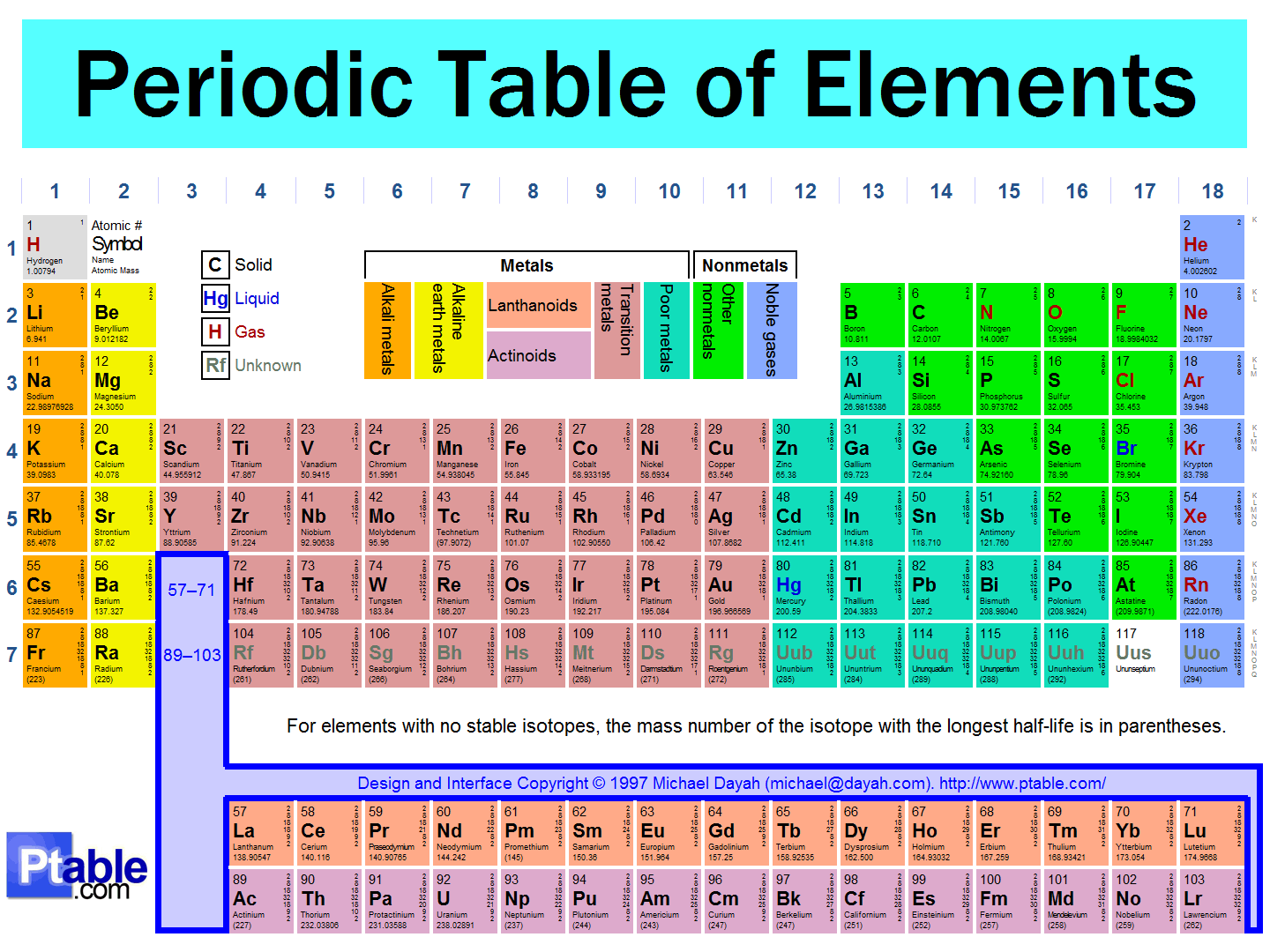
The vertical (up and down) columns in the Periodic Table are called
groups
towers
periods
atomic numbers


Elements in the same group have the same
Properties
Number of electrons
Number of protons
Nucleus


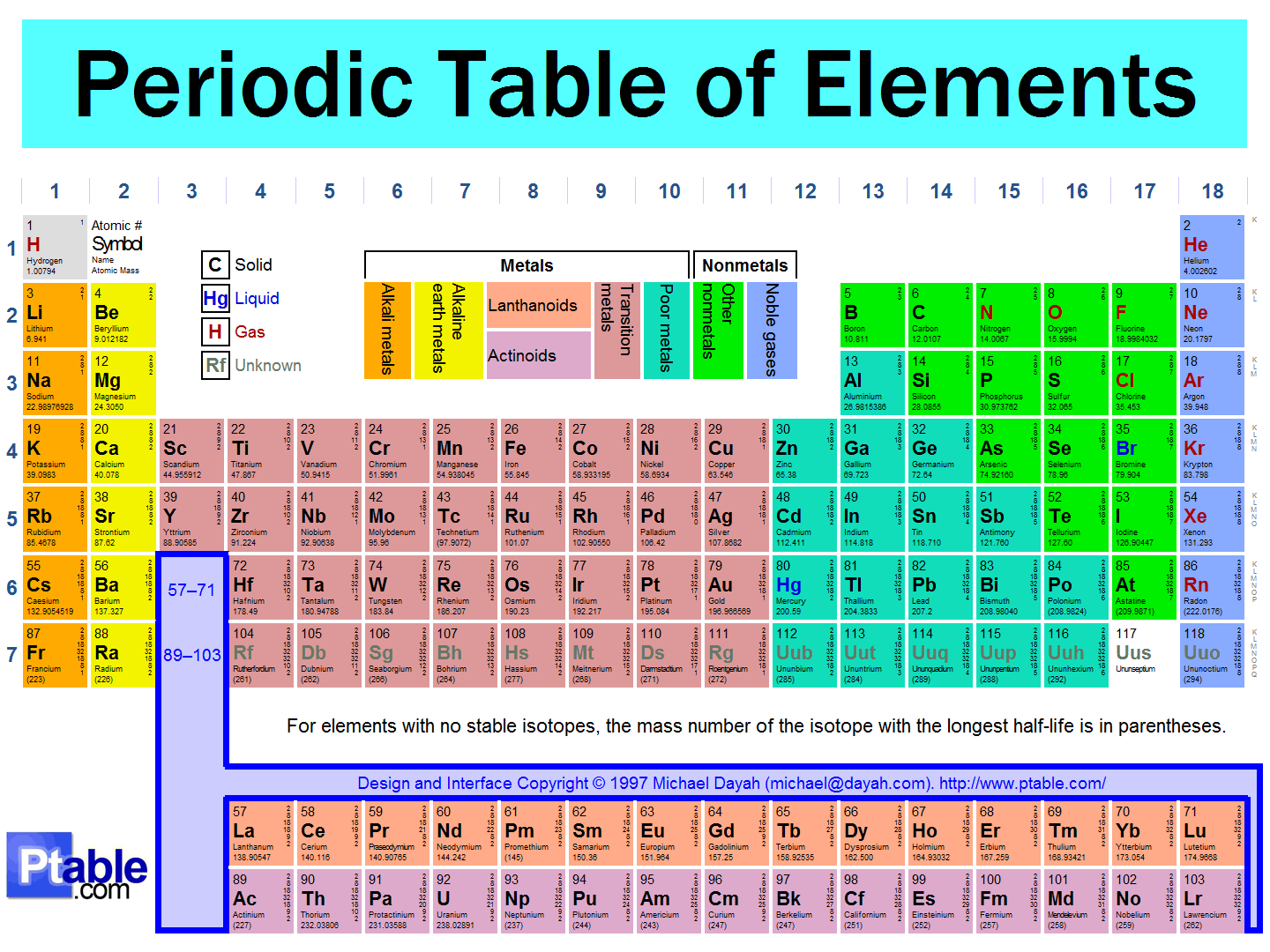
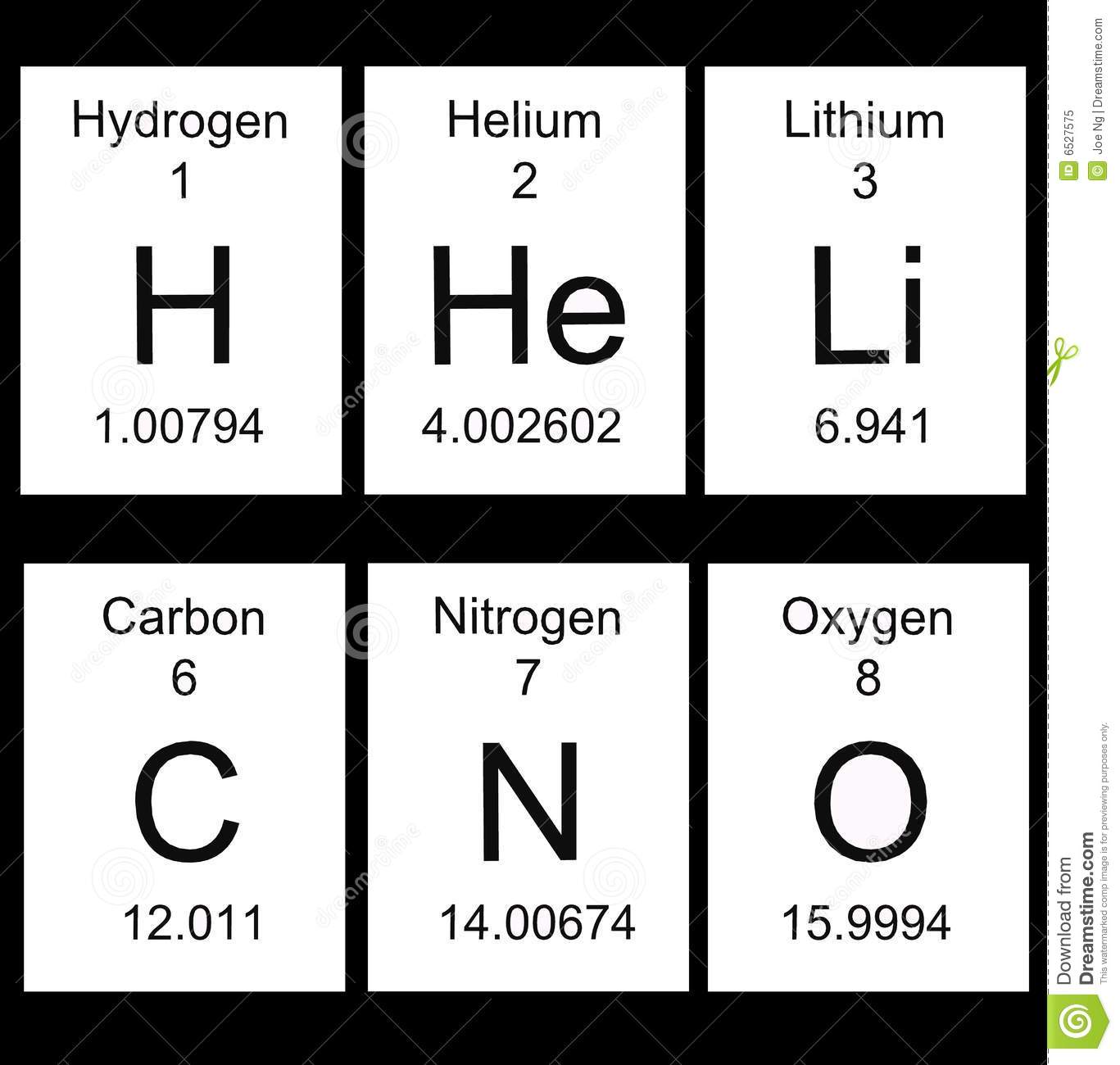
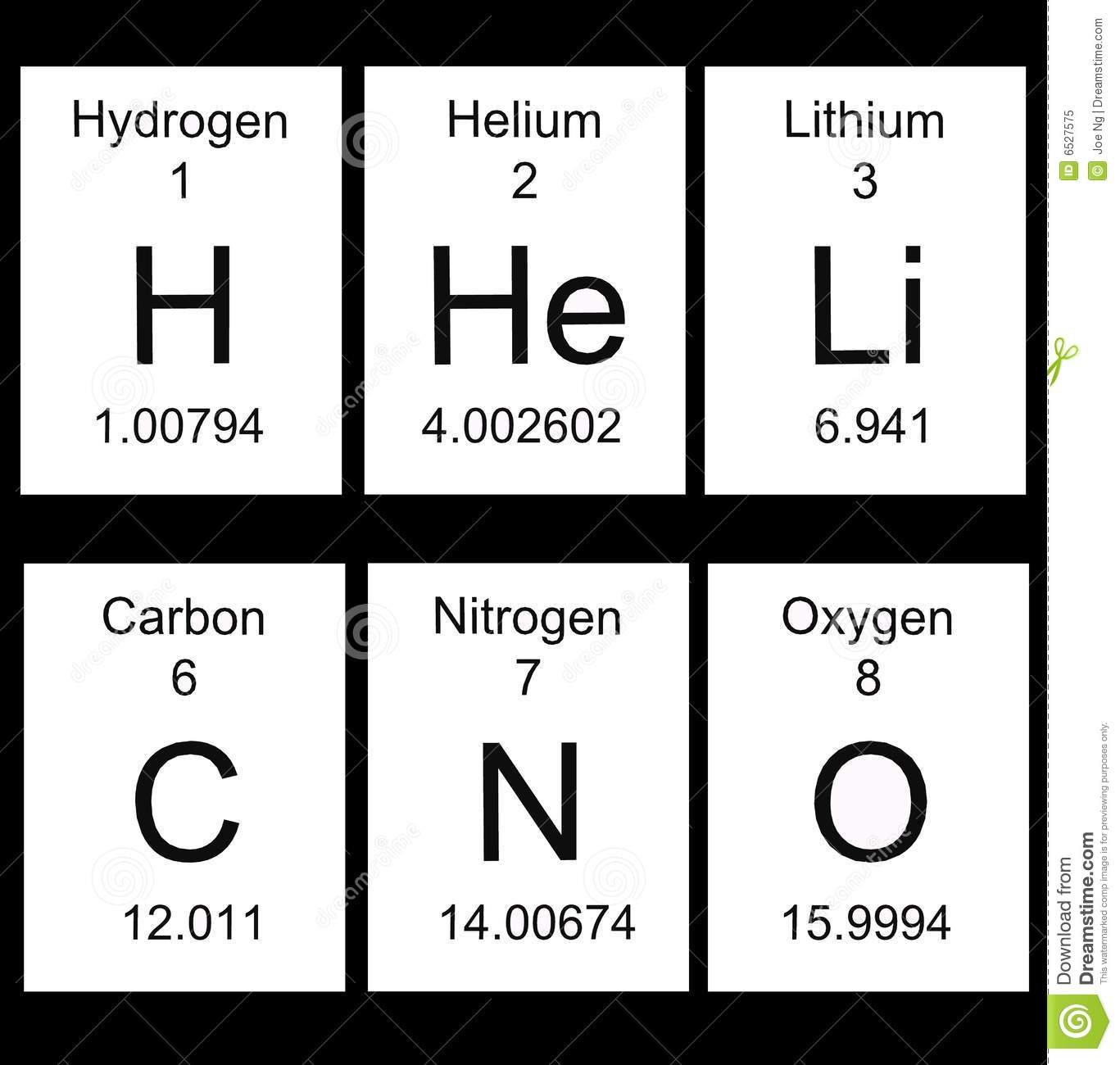


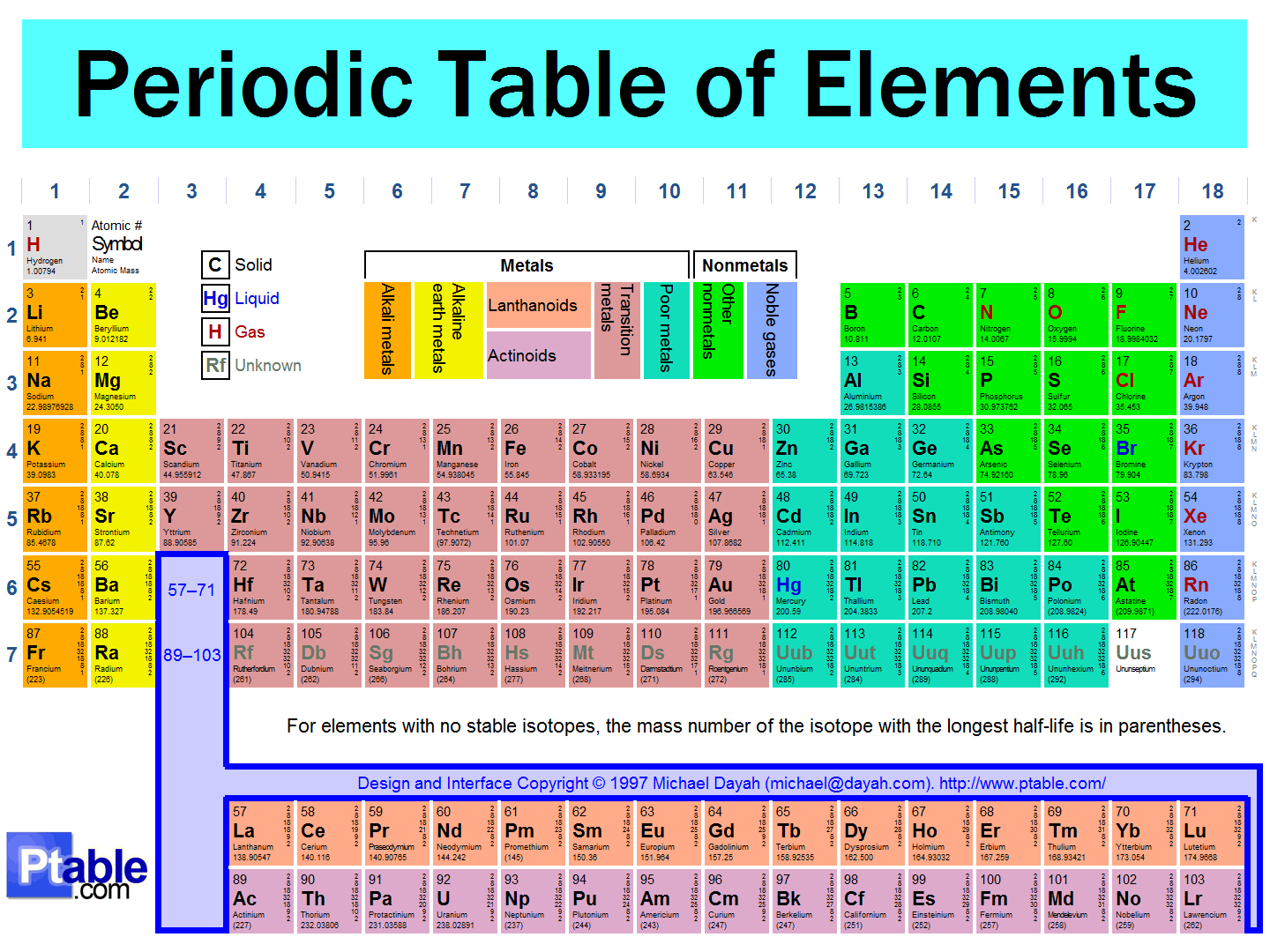

Vertical columns of elements (these are also known as a "family") - they also have the same number of valence electrons and are known as ________________.
groups
periods
quadrants
rows
Most noble gases have _______ valence electrons.
1
2
7
8

1. The atomic number identifies the number of __________.
protons and electrons
electrons and neutrons
atoms
neutrons and protons
3. The number 16 for the atomic element sulfur is the
ionic number
atomic mass
isotope
atomic number
4. An elements in group 18 are non reactive, stable, and inert because
they have 3 valence electrons and a full outer shell
they have no valence electrons and a full outer shell
they have 8 valence electrons and a full outer shell
5. The group number equals?
The number of energy levels
The number of neutrons
The number of protons
The number of valence electrons
Elements in the same ____________ have similar chemical properties
period
staircase
group
row
Why is group 1 highly reactive?
It has the most energy levels
It has 1 valence electrons
It has the same number of protons
It has the same number of electrons
Which of the following would change the name of the element if one was added or removed from the atom?
neutrons
protons
valence electrons
electrons
The elements Potassium, Vanadium, Manganese and Calcium are examples of
Members of a period
Members of a family
Molecules
Gases
Which element has a mass number greater than nitrogen, but less than neon?
Oxygen
Lithium
Sodium
Helium
Which of the following elements is a metalloid?
Sulfur
Silicon
Iron
Copper
Which of the following elements is malleable?
Iron
Carbon
Hydrogen
Sulfur
What is the mass number of Potassium (K) atom that has 20 neutrons?
18
20
19
39
In an atom, the number of protons is equal to the number of ____________.
energy levels
neurons
electrons
neutrons
The atom that has an atomic mass of 12 has ____________ protons.
6
8
1
4
The periodic table is a chart that organizes the elements based on their atomic properties. Elements in the periodic table are organized according to the periodic law. The periodic law states that chemical and physical properties of elements are periodic functions of their atomic numbers (the number of protons in the nucleus). As the atomic number of elements increases, different elements display similar characteristics at regular intervals.
Periodic law states that elements are arranged _______________________________________________________________.
in alphabetical order.
from largest to smallest.
as periodic functions of their atomic numbers.
there is no rhyme or reason.
In 1869, Dmitri Mendeleev developed the first periodic table, organizing the elements according to atomic weight. When he ordered the elements, he noticed that there were patterns of repeating properties. The modern periodic table sequences elements from left to right by atomic number.
This was the first person to organize a periodic table.
Neils Bohr
Dmitri Mendeleev
Democritus
Ernest Rutherford
It stacks the elements in columns according to the number of valence electrons in an atom of the element. Valence electrons are those in the outermost shell of the atom and the ones that participate in reactions. The number of valence electrons is associated with the element’s reactivity. Elements with the same number of valence electrons behave in a similar way in reactions and so are grouped together in the same column on the periodic table.
What does the amount of valance electrons determine about an element?
Its row in the table.
Its atomic number.
Its atomic mass.
Its reactivity with other elements.
The maximum number of valence electrons an atom can have is eight, with the exception of helium, which can have only two. In each row, or period, of the periodic table, the last element on the right has the maximum number of valence electrons. Its outermost shell is full, and a new period in which the element on the far left has only one valence electron begins in the next row.
How do you determine how many valance electrons an element has?
Count how far over it is from the left in its row.
Count which row it is in.
They all have eight.
You can not determine this from the periodic table.
In the periodic table, similar elements are arranged in vertical columns called groups. Some of the major groups include Group 1: alkali metals; Group 2: alkaline earth metals; Group 17: halogens; and Group 18: noble gases. Elements within each group have similar properties and characteristic behaviors because of their similar numbers of valence electrons.
In what direction are groups arranged in the periodic table?
Side to side
Up and down.
Diagonally
In sections.
Alkali metals have 1 valence electron, making them highly reactive. With the exception of hydrogen, they tend to be very soft metals with low melting points. Examples include sodium and potassium.
Alkaline earth metals have 2 valence electrons and also are highly reactive and have high melting points. Examples include calcium and magnesium.
Halogens have 7 valence electrons and therefore are highly reactive. They tend to form compounds in nature. Examples include chlorine and fluorine.
Noble gases have a complete outer shell with 8 valence electrons, making them nonreactive. They are typically colorless, odorless gases. Examples include helium, neon, and argon.
Which group of elements tend to form compounds in nature?
Alkaline metals
Alkaline Earth metals
Halogens
Noble Gases
Alkali metals have 1 valence electron, making them highly reactive. With the exception of hydrogen, they tend to be very soft metals with low melting points. Examples include sodium and potassium.
Alkaline earth metals have 2 valence electrons and also are highly reactive and have high melting points. Examples include calcium and magnesium.
Halogens have 7 valence electrons and therefore are highly reactive. They tend to form compounds in nature. Examples include chlorine and fluorine.
Noble gases have a complete outer shell with 8 valence electrons, making them nonreactive. They are typically colorless, odorless gases. Examples include helium, neon, and argon.
Which group is highly reactive with high melting points?
Alkaline metals
Alkaline earth metals
Halogens
Noble gases
The periodic table is further arranged into three major regions, including the metals, metalloids, and non-metals. Metals are on the left of the table; they are shiny and flexible, conduct heat and electricity, and participate in ionic reactions. Non-metals are on the far right of the table; they are dull and brittle, are poor conductors, and typically participate in ionic reactions.
Which one is NOT a major region of elements in the periodic table?
Metals
Mettaloids
Non metals
Gases
Carbon and silicon, however, are examples of non-metals that participate in covalent reactions. Metalloids are located in a zig-zagging line between the two other regions. Metalloids are solid semi-conductors. In contrast to metals and non-metals, metalloids participate in covalent reactions.
Where would you look on the table to find the mettaloids?
In a zigzag line on the right.
In column 17
On the bottom
On the top
The elements in groups 3-12 are called the transition metals. These are similar to the metals in that they are flexible and good conductors but different in that they have unique valence electron structure. They typically form coordinate complexes in which one atom is surrounded by several more in a large complex. Iron, gold, and copper are examples of transition metals.
Which group are the transition metals most like?
Metals, they are flexible and good conductors.
Non metals, they a unique valence electron structure.
Noble gases, they don't want to bond with anything else.
They are like both metals and non metals in some ways.
The nucleus of an atom contains which of the following subatomic particles: (Select two)
protons
Neutrons
Electrons
Shells
Hydrogen has an atomic number of 1. How many electrons does hydrogen have?
1
2
4
0
The atomic number will tell me... (select three)
Number of Protons
Number of Electrons
Number of Neutrons
What element is it
Which are of the following are subatomic particles. Select three:
Protons
Neutrons
Electrons
Nucleus
Silicon has an atomic number of 14 and an atomic mass of 28. How many neutrons does it have?
14
28
2
10
Which of the following are properties of a metal: (you should select more than one)
Good conductor of heat and electricity
Brittle (break easily)
Malleable (able to bend without breaking)
Luster (shiny)
Dull
This element is found in group 2, period 3:
Li
Mg
Be
B
Valence electrons are:
Just the electrons on the last energy level (outer shell)
All the electrons in the atom
Which diagram would you draw if you wanted to represent just the valence electrons?
Electron Configuration
Lewis Dot
Bohr Model
What best describes the difference between the bohr model and the lewis dot?
The bohr model diagram represents all the subatomic particles, while the lewis dot diagram only shows the symbol and the valence electrons.
The lewis dot shows all the electrons and the bohr model only shows the electrons in the last shell
The lewis dot shows the number of neutrons and the bohr model only shows the electrons
What is the charge of a proton?
Positive
Negative
No charge, Neutral
What is the charge of an electron?
Postive
Negative
No Charge
Which of the following is the electron configuration for Magnesium, Mg? (Atomic number 12)
2-4-4
2-8-2
2-8
2-4-6

This diagram represents the atom of what element?
Kr (Krypton)
Cd (Cadmium)
Se (Selenium)
Ca (Calcium)
A student drew a lewis dot structure with 7 valence electrons. Which of the following elements might have the student drawn?
Cl (Chlorine)
Ne (Neon)
N (Nitrogen)
Li (Lithium)

Which element has the highest electronegativity?


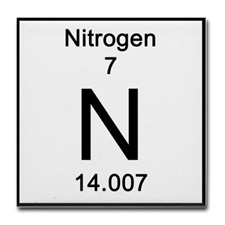


Which statement correctly describes the location and charge of the neutrons in an atom?
The neutrons are inside the nucleus and have a positive charge.
The neutrons are outside the nucleus and have a neutral charge.
The neutrons are outside the nucleus and have a negative charge.
The neutrons are inside the nucleus and have a neutral charge.
Mass minus Atomic Number Equals (M-A=?)
Neutrons
Protons
Nucleus
Atom
Atomic number equals ______________ and _______________
Neutrons
Protons
Electrons
Elements

How many neutrons does this element have?
1
2
3
4

What goes in place of the question marks?
Element name
Atomic Mass
Atomic Number
Electrons

What goes in place of the question marks?
Neutrons
Electron Cloud
Atomic Number
None of the above
APE MAN stands for
Atomic Number=Protons=Electrons
Atomic Mass-Atomic Number=Neutrons
Atomic Mass=Pictures=Eating
Mass- Atomic Number= Element Name
Atomic Number= Periodic Table=Elements
Atomic Mass-Atoms=Notes
Where do the electrons hangout?
Electron Cloud
Nucleus
Atom Cloud
How many subatomic particles are there in an Atom?
1
2
3
Infinite

What is Group 18 referred as?
Halogens
Alkaline
Alkali
Noble Gases

What Element is H?
Helium
Hydrogen
Hectogen
Not enough information
Where will you find electrons in an atom?
Nucleus
Moving around the nucleus
Directly next to a proton
Atoms don't have electrons, only protons and neutrons
Which particle tells you which element you are?
Proton
Neutron
Quark
Electron
What is an element called if it has more or less neutrons than the stable version of the element?
Isotope
Ion
Negative
Positive
Which particles contribute to the mass of an atom?
How much space they take up
Protons and Neutrons
Electrons and Quarks
Protons and Electrons

How many protons are in this atom?
28
14
29
42

How many neutrons are in this element?
28
14
29
42

How many protons are in Boron?
2
5
7
10.8
True or False: Neutrons are negatively charged.
True
False
When building a Bohr Model, what is the MAXIMUM number of electrons you can have on the FIRST shell?
1
2
8
18

What element is in Period 2 Group 4?
Calcium
Carbon
Titanium
Doesn't Exist

Which group on the periodic table is the Most reactive?
18
Halogens
17
Noble gases

What is the element Symbol for Aluminum?
A
AL
Al
Am
When building a Bohr Model, what is the MAXIMUM number of electrons you can have on the SECOND shell?
1
2
8
18

What is the atomic mass for Carbon? (Rounded)
15
13
16
12

How many electrons are in Potassium?
15
19
39.10
30.97

Which of the following elements are in Period 4?
Titanium
Beryllium
Argon
Calcium

Why is the Periodic Table shaped the way it is?
To make room for elements we haven't discovered
Because it wouldn't work any other way
This is just one layout that the scientific community likes
Because it looks like an upside-down table
How are the elements in the modern periodic table arranged?
atomic mass
chemical symbol
element's name
atomic number
All the matter is made up of the same atom. Which sentence correctly describes atoms?
All substances are made of the same atom.
An atom is the smallest particle of the nucleus.
An atom is the smallest particle of an element.
An atom is a substance that has been cut in half.
Use your periodic table. What is the atomic number for iron?
26
56
How many electrons does a sodium atom contain?
23
11
What subatomic particle has a positive charge?
electron
neutron
proton
Group 18 elements are called the ______ ______.
alkali metals
alkaline earth metals
noble gases
transition metals
Neutrons are found in the nucleus of an atom and have a (a) charge.
Use your periodic table. The element neon has
10 protons, 20 neutrons, 12 electrons
15 protons, 15 neutrons, 15 electrons
0 protons, 0 neutrons, 0 electrons
10 protons, 10 neutrons, 10 electrons
The columns of the periodic table are called _____ while the rows are called _____.
groups/families, periods
periods, groups/families
The atomic number of an atom tells the number of (a) in the nucleus.
The outermost electrons are called ______ electrons.
nothing
valence
electron cloud
energy levels
Metals have a shiny luster while nonmetals have a _____ luster.
shiny
dull
neither shiny or dull
How many valence electrons does group 2 contain?
(a)
Lanthanides and Actinides are part of groups 3-12 which are called ______ metals.
transition
alkali
alkaline earth
Use your periodic table. What element is in group 10, period 4?
copper
nickel
cobalt
palladium
Charles needs a very lightweight metal. Use the periodic table to determine which he would choose.
silicon
magnesium
iodine
tungsten
Use your periodic table. What is the atomic mass of boron?
(a)
Which of these does the number of electrons in the outer level (valence electrons) indicate about the element?
its reactivity
its atomic number
its atomic mass
its symbol
Look at your periodic table of elements for cobalt (27) and nickel (28). What is the biggest difference between an atom of cobalt (Co) and an atom of nickel (Ni) as show in the periodic table?
An atom of nickel has more protons.
An atom of cobalt has more electrons.
An atom of cobalt has more neutrons.
An atom of nickel has a higher value for atomic mass.
What are the elements in group 1 (the far left) of the periodic table called?
Alkali metals
Alkaline earth metals
Halogens
Noble gases
What are the elements in group 2 of the periodic table called?
Alkali metals
Alkaline earth metals
Halogens
Noble gases
What are the elements in group 18 (the far right) of the periodic table called?
Alkali metals
Alkaline earth metals
Halogens
Noble gases
What are the elements in group 17 of the periodic table called?
Alkali metals
Alkaline earth metals
Halogens
Noble gases
What are the elements in groups 3-12 of the periodic table called?
Transition metals
Non-metals
Metalloids
Metals
What are the elements found along the "staircase" called? They have properties of both metals and non-metals.
Metalloids
Non-metals
Transition metals
Metals
Hydrogen is a:
Alkali metal
Metalloid
Non-metal
Noble gas
The Russian scientist who created one of the first periodic tables by using atomic mass was:
Bohr
Rutherford
Mendeleev
Thomson
The subatomic particles that are located the farthest from the nucleus are:
Valence electrons
Valence protons
Periodic electrons
Periodic protons
The number of electron shells an atom has is equal to the element's:
Period number
Group number
Valence number
Atomic number
The model of an atom that shows electrons in circular orbits around the nucleus is called the:
Bohr Model
Lewis Dot Structure
Rutherford Model
Thomson Model
The model of an atom that uses dots surrounding the atomic symbol to represent valence electrons is called the:
Bohr Model
Lewis Dot Structure
Rutherford Model
Thomson Model


What is one difference between aluminum (Group 13) and magnesium's (Group 2) structure?
Aluminum has more protons and fewer neutrons than magnesium.
Magnesium has one more proton than aluminum.
Magnesium's atomic mass is larger than aluminum's atomic mass.
Magnesium has one less proton than aluminum.


Which statement is accurate regarding subatomic particles?
electrons are the heaviest particle, with a positive charge
protons and electrons are equal in mass with positive charges
electrons are neutral with the least mass
protons have a positive charge with a mass of 1 amu and neutrons are neutral with the same mass as a proton
Which atom has a nucleus that contains 13 protons and 14 neutrons?
Mg
Be
Al
N
The most reactive metals are the
alkali metals
alkali earth metals
transition metals
metalloids
The elements with largest atomic radii are found
across the top of the periodic table
on the far right side of the periodic table
the bottom left corner
the top right corner
As you move up and to the right on the periodic table
atomic radii increase
ionization energy and electronegativity increase
elements with metallic properties are found
transition metals corrode
Which of the following is NOT true regarding families (groups) on the periodic table?
they have similar characteristics
they have the same number of valence electrons
the atomic radius increases as you go down
groups are identical to periods on the periodic table
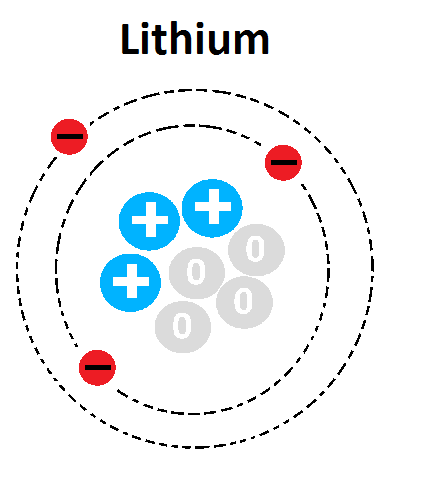

On the periodic table, Periods are
Horizontal rows
Vertical columns


Atomic radius generally increases as we move __________.
down a group and from right to left across a period
up a group and from left to right across a period
down a group and from left to right across a period
up a group and from right to left across a period
As you move from left to right on the periodic table, the number of valence electrons.......
Increases
Decreases
Remains the same
As you move down a group on the periodic table, the number of valence electrons....
Increases
Decreases
Remains the same
Which of the following is the term for a substance in which all the atoms have the same number of protons
a compound
An element
a molecule
a solid
a gas
Inert gases, non-reactive, belong to this family
Alkali family
Carbon family
Noble gas family
Halogen family
As electronegativity increases, atoms from left to right in a period on the periodic table __________ in atomic radius.
Increase
Decrease
Stays the same
Fluctuates
An atom with high ionization energy has 7 valence electrons, when this atom gains an electron, it becomes a __________ ion.
Positive
Negative
Neutral
Covalent
When two nonmetals share electrons equally due to their similar electronegativities, they form a(n) _________ bond
Ionic
Covalent
Polar covalent
Hydrogen
_________ give away electrons to become positive ions and __________ steal electrons to become negative ions.
Metals, metals
Nonmetals, nonmetals
Nonmetals, metals
Metals, nonmetals

