
 Worksheets
Photosynthesis, Cellular Respiration, Carbon Cycle
Total questions: 82
Worksheet time: 1hrs 22mins
Why are plants considered producers in an ecosystem?
They release oxygen, which everyone needs to survive.
They produce food through photosynthesis.
They produce ATP through cellular respiration.
They release chemical energy in the form of carbon dioxide.
Why is cellular respiration necessary for all organisms?
It releases useful chemical energy for cell functions.
It expels harmful carbon dioxide from the lungs of all organisms.
It brings oxygen into the body, avoiding suffocation.
It produces glucose for all cells to use.
How do photosynthesis and cellular respiration demonstrate the law of conservation of mass?
Sunlight is converted into sugar, converting energy into mass.
The carbon in photosynthesis converts into oxygen for respiration.
The amount of energy absorbed from the sun equals the amount of energy stored in sugar.
The atoms involved in the reactions get recycled.
Which of the following claims is NOT true about the carbon cycle?
Carbon atoms are recycled through living and nonliving processes.
Carbon gets changed into other atoms, like oxygen, through chemical reactions.
More processes put carbon into the atmosphere than take it out.
The amount of carbon in the world is not changed by the cycle of carbon in the environment.
Which organism go through cellular respiration?
animals
plants
both animals and plants
none
Cellular Respiration occurs in what cell organelle?
chloroplast
cytoplasm
mitochondria
animal

Select ALL the products of Cellular Respiration? *clue: 3*
oxygen
glucose
carbon dioxide
water
ATP (energy)
True or False: Only animals can undergo Cellular Respiration.
True
False
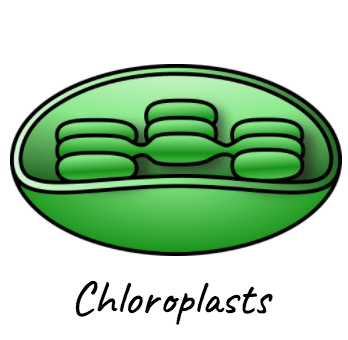
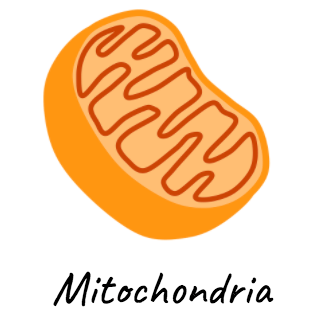

The reactants of photosynthesis are
sugar and water
sugar and oxygen
carbon dioxide and water
carbon dioxide and oxygen
What are the products of photosynthesis?
carbon dioxide and water
carbon dioxide and oxygen
glucose and oxygen
glucose and water
How can energy from the sun be transferred to animals?
The sun's energy is transformed into food by plants, animals eat plants as food so that they can transform that food into energy.
Plants produced energy through photosynthesis, animals that eat that energy can produce food.
Plants transformed energy of the sun into gases that animals can breath in to use as energy through respiration.
Animals are able to use energy from the sun by eating the plants that provides energy for the animals.
What does the following equation represent?
Sunlight +6H20 + 6CO2--> C6H1206 +6O2
Cellular respiration
Human respiration
Photosynthesis
Solar energy
C6H1206 +6O2--> 6H20 + 6CO2 + Energy (ATP)
This equation represents ___________________.
Human Respiration
Cellular Respiration
DNA Replication
Photosynthesis
The gas given off by plants is ________________.
carbon dioxide
ATP
oxygen
vaporized water
Which of the following statements is true
The products of photosynthesis are the reactants of cellular respiration.
The products of photosynthesis are not necessary for respiration to occur.
The reactants of photosynthesis are also the reactants of cellular respiration.
The products of photosynthesis are also the products of cellular respiration.
1. What is chlorophyll and how does it help plants?
A.Chlorophyll is a pigment that absorbs light energy and makes glucose.
B.Chlorophyll is a protein that changes shape in the presence of sunlight.
C.Chlorophyll is a receptor that binds carbon dioxide when energized by light
D.Chlorophyll is an enzyme that catalyzes the production of glucose when exposed to light.
Which type of organism would MOST likely benefit directly from increased levels of CO2?
mushroom
tree
bird
fish
Which of the following is produced during the process of cellular respiration?
carbon dioxide
sodium chloride
oxygen
sugar
7. How does a human body get energy?
Sunlight on the skin produces energy.
Water provides the majority of energy.
Food and oxygen combine to deliver energy
Sleep provides energy stored at night for the next day.
If a single-celled organism that uses photosynthesis has its source of light removed, it will
divide repeatedly.
produce less energy.
grow in size.
generate more waste.
Which process is considered to be a part of the carbon cycle?
precipitation
metamorphosis
condensation
photosynthesis
How will clear-cutting of forests affect the level of carbon dioxide in the atmosphere?
It will decrease because of increased respiration.
It will increase because of decreased photosynthesis.
It will decrease because of decreased photosynthesis.
It will remain constant as respiring animals remove the carbon dioxide.
Which statement accurately describes an interaction between plants and animals?
Animals release CO2, required for photosynthesis.
Animals release O2, required for plant survival.
Plants provide humans with atmospheric nitrogen.
Plants provide humans with CO2 for respiration.
Which of the following BEST describes the flow of energy in a cabbage plant?
Chemical energy is absorbed by mitochondria, stored in sugars, and released in chloroplasts.
Chemical energy is absorbed by chloroplasts, stored in sugars, and released in mitochondria.
Solar energy is absorbed by chloroplasts, converted and stored in sugars, and released in mitochondria.
Solar energy is absorbed by mitochondria, converted and stored in sugars, and released in chloroplasts.
People take in and release gases from the air when they breathe. Which exhaled gas is a waste product of respiration?
helium
oxygen
carbon dioxide
hydrogen

Which of the following organisms perform cellular respiration?
A
D
B and C
All of these
What is the primary goal of Photosynthesis?
To produce energy in the form of light
to produce oxygen
to produce chloroplasts
to produce glucose for the plant
The process that releases energy from food in the presence of oxygen is:
fermentation
photosynthesis
cellular respiration
synthesis
The process that produces glucose using sunlight, water and carbon dioxide is:
cellular respiration
Krebs Cycle
Osmosis
Photosynthesis
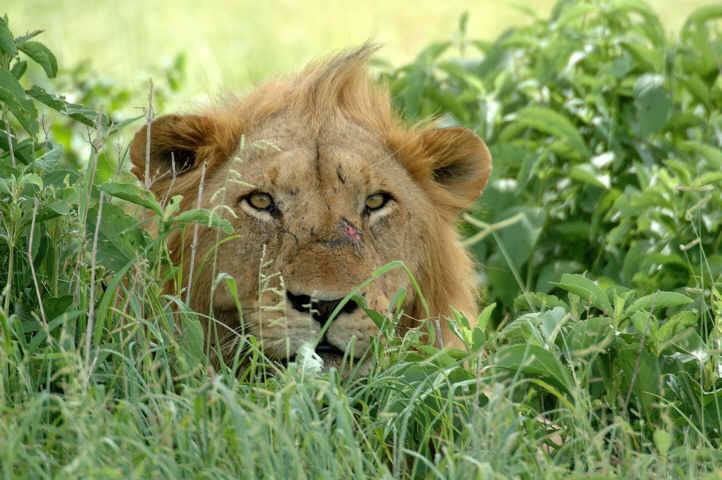

The total amount of the carbon on Earth is constant.
True
False
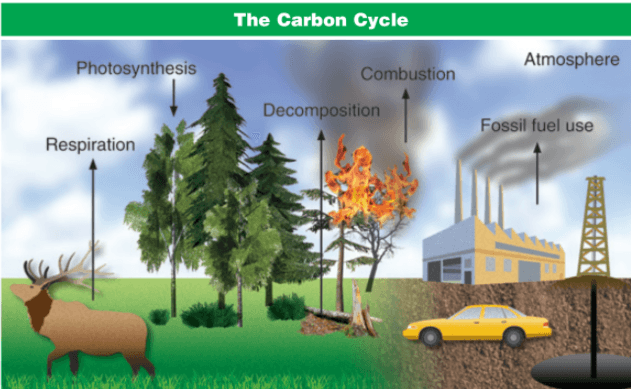
7) Which part of the carbon cycle occurs when plants, trees, or fossil fuels are burned?
Photosynthesis
The oceans
Respiration
Decay
Combustion
9) True or False: Some carbon is needed in the atmosphere to keep the Earth warm.
True
False
10) How has man influenced the carbon cycle and increased the amount of carbon in the atmosphere?
Burning coal
Cutting down trees
Burning oil
All of the above
None of the Above
How does carbon get into the atmosphere? Check all that apply.
Cow burps and farts
Burning fossil fuels
Photosynthesis
Forest fires
6) Which part of the carbon cycle occurs when plants convert sunlight and C02 into oxygen and sugar?
Photosynthesis
The oceans
Respiration
Decay
Combustion
Organic matter, buried over millions of years
Fossil Fuels
Decomposition
Combustion
Subduction
Carbon moves from fossil fuels to the atmosphere when fuels are burned.
True
False
Which of the following removes carbon dioxide from the atmosphere?
Combustion
Respiration
Photosynthesis
Death
Why does too much carbon dioxide in the atmosphere cause climate change?
It cools our planet.
Blocks out UV rays.
Lets light escape.
Traps heat and warms the planet.
If the plant population decreased, the amount of carbon dioxide in the atmosphere would _________.
Stay the same
Increase
Decrease
If a forest fire occurs, what will happen to the carbon in the forest?
It will go into the soil
It will go into the atmosphere
It will runoff into nearby streams and rivers
It will be destroyed
Where does all the carbon in organisms (living things) originate from?
Earth's atmosphere
Rocks
Water
Soil
Check all the ways that carbon dioxide is ADDED to the atmosphere.
Respiration
Combustion
Photosynthesis
Diffusion
Decomposition
Check all the ways that carbon dioxide is REMOVED from the atmosphere.
Respiration
Combustion
Photosynthesis
Diffusion
Decomposition
Producers, like plants, do not cellular respiration.
True
False
All of the carbon in existence is continually recycled in the carbon cycle.
Which is a true statement?
Humans depend on oxygen, plants depend on carbon dioxide
Plants produce carbon dioxide
Humans depend on carbon dioxide, plants depend on oxygen
Humans don't depend on plants for the air they need


Which of the following are greenhouse gases?
Carbon dioxide
Methane
Water vapor
All answers are correct
Cutting down large forests (deforestation) can result in:
little to no changes
more homes for animals
less plants to absorb carbon dioxide, a greenhouse gas

The greenhouse effect is about
warming the atmosphere because of increased CO2 levels
warming the atmosphere because of decreased CO2 levels
cooing the atmosphere because of increased CO2 levels
cooling the atmosphere because of decreased CO2 levels

The graph shows us that
the earth temperature is always increasing
the earth's temperature has steadily increased since 1900
the earth's temperature has steadily rising since the 1960s
the earth's temperature decreased during the 19th and 20th centuries

The area of human activity responsible for the highest greenhouse gas emissions is
energy supply
transport
agriculture
industrial
Which of the following natural events is NOT a source of carbon dioxide?
Wildfire
Decomposing plants and animals
Volcanic eruption
Earthquake
Which planet has a thick atmosphere made up mostly of carbon dioxide and a strong greenhouse effect?
Mercury
Venus
Earth
Mars

