
Font size
 Worksheets
GCSE PE Respiratory System
Total questions: 26
Worksheet time: 13mins
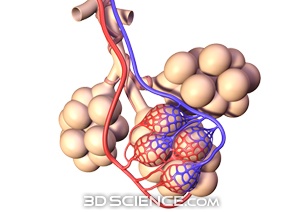
Diffusion is...
Movement of gas from an area of high concentration to high
Movement of gas from an area of high concentration to low
Movement of gas from an area of low concentration to high
Movement of gas from an area of low concentration to low
Air arriving in the alveoli has a...
Higher concentration of carbon dioxide (CO2) and a lower concentration of oxygen (O2)
Higher concentration of oxygen (O2) and a lower concentration of carbon dioxide (CO2)
What is gaseous exchange?
The movement of Oxygen and Carbon Dioxide between the bronchi and pulmonary artery
The movement of Oxygen and Carbon Dioxide between the alveoli and bloodstream
The movement of Oxygen and Carbon Dioxide between the heart and lungs
The movement of Oxygen and Carbon Dioxide between the nasal cavity and heart
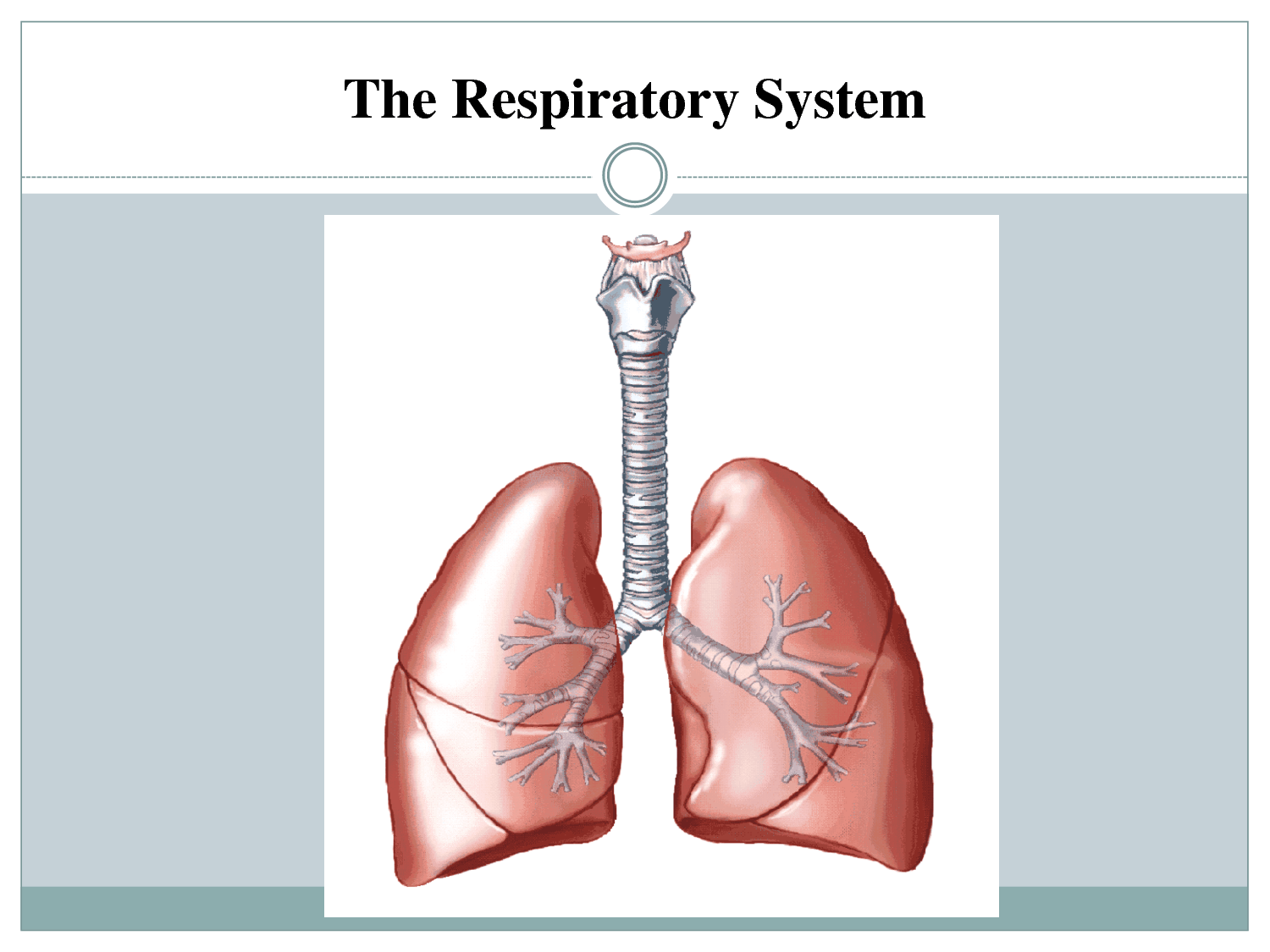
What is the correct term for the drawing in of breath; inhalation?
Inspiration
Expiration
Aspiration
Explanation


Label C is...
Trachea
Diaphragm
Bronchi
Alveoli

Label D is...
Trachea
Diaphragm
Bronchi
Alveoli
Tidal Volume is...
The amount of blood leaving the heart
The volume of air inspired or expired per breath
The volume of air inspired or expired per minute
The amount of breaths taken per minute
What 3 sports/activities use Aerobic Respiration
Marathon Runner
100m Sprinter
5000m Row
Tackle in Rugby
Lasting 90 minutes in Football
What 3 sports/activities us Anaerobic Respiration?
Long Jump
Sprinting to intercept in Netball
400m Swim
100m Sprint
1500m Race
What is the equation for Anaerobic Respiration
Glucose >>> Energy + Lactic Acid
Energy = Glucose + Lactic Acid
Lactic Acid <<< Glucose + Energy
What is the equation for Aerobic Respiration?
Energy = CO2 + Water + O2
Glucose <<< O2 + Water + Energy
Glucose + O2 >>> Energy + CO2 + Water

What is the volume that remains in the lungs even after a forceful, maximal exhale?
expiratory reserve
residual volume
inspiratory reserve
total lung capacity

What do we call the amount of air breathed in with each normal breath?
minute ventilation
inspiratory capacity
tidal volume
vital capacity

What is A?
Inspiration reserve volume
Residual Volume
expiratory reserve volume
tidal Volume
What is the percentage of oxygen in inhaled and exhaled air.
21% (inhaled) and 16% (exhaled)
16% (inhaled) and 21% (exhaled)
20% (inhaled) and 17% (exhaled)
17% (inhaled) and 20% (exhaled)
What is the percentage of carbon dioxide in inhaled and exhaled air?
81% inhaled, 81% exhaled air
79% inhaled, 79% exhaled air
4% inhaled, 0.04% exhaled air
0.04% inhaled, 4% exhaled air

What is B?
Inspiratory reserve volume
Residual volume
Tidal volume
Expiratory reserve volume

What is D?
Inspiratory reserve volume
Expiratory reserve volume
Tidal volume
Residual volume

