
 Worksheets
Aquatic ecosystems and biomes revision
Total questions: 73
Worksheet time: 6hrs 5mins
Which aquatic ecosystem is found where the freshwater rivers meet the ocean?
ocean
estuary
lake
pond
All of the following are examples of freshwater ecosystems EXCEPT ________________.
ponds
Estuaries
lakes
rivers

Pond/Lake Plants
mangrove, sea rush, oioi, jointed rush
water lilies, algae, cattails
mallard duck, crayfish, snapping turtle
coralline algae, phytoplankton
This word is used to describe living parts of an ecosystem
Abiotic
Terrestrial
Aquatic
Biotic
Which of the following best describes turtles, algae, fish and beavers?
Biotic factors found in lakes and ponds
Abiotic factors found in lakes and ponds
Biotic factors found in grasslands
Abiotic factors found in forests
Swamps, marshes, and rivers are all examples of ____________ ecosystems.
Saltwater
Oceans
Freshwater
Tropical Rainforest
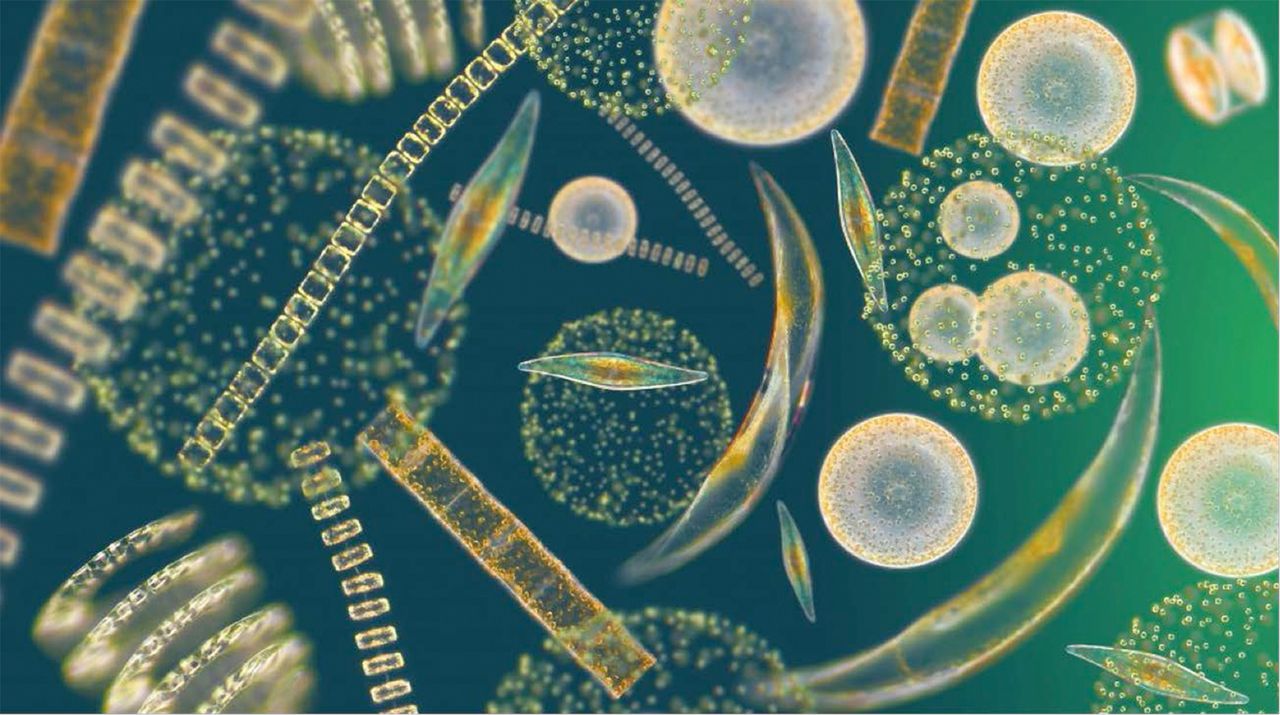
What are wetlands?
areas of land that are flooded at least part of the year
the ocean
lakes
estuaries
Salinity refers to
how many plants are in the water
how many organisms live in the water
how much salt in is water
What is at the base of the food chain in the ocean?
whales
plankton
turtles
seaweed
Because the waters of the neritic zone are relatively shallow...
It is difficult for algae to access sun
The pounding waves make it hard for organisms to live there
Not a lot of marine life can survive there
Lots of photosynthesis can occur and many things live there
Almost ____% of the earth's surface is covered with water.
100%
75%
50%
35%
Coral reefs can be situated in freshwater ecosystems
true
false

Mangroovers grow in...
freshwater ecosystems
wetlands
estuaries
oceans
Open oceans have 3 zones. Which one is the deepest?
deep zone
sunlit zone
twilight zone
dark zone

This aquatic ecosystem is a ...
estuary
pond
wetland
Open ocean
coral reef

This image belongs to a ...
coral reef
estuary
lake
ocean
____ are shallow and warm.
streams
rivers
ponds
lakes
Which of the following is NOT an aquatic ecosystem?
Marsh
River
Tundra
Swamp
Which of the following is a saltwater ecosystem?
Oceans
River
Ponds
Lakes
Which of the following is NOT a terrestrial ecosystem?
Marsh
Tundra
Taiga
Grassland
Which terrestrial ecosystem is characterized by almost no rainfall, very hot days, and very cold nights?
Tundra
Temperate Forest
Desert
Grassland
Which of the following ecosystems is characterized by flat land, little rainfall, and low growing plants such as grass and wildflowers?
Grassland
Taiga
Tundra
Tropical Rainforest
The swamp is a ___________.
Terrestrial Ecosystem
Aquatic Ecosystem
The tundra is a ___________.
Terrestrial Ecosystem
Aquatic Ecosystem
The desert is a ___________.
Terrestrial Ecosystem
Aquatic Ecosystem
The ocean is a ___________.
Terrestrial Ecosystem
Aquatic Ecosystem
Which of the following ecosystem has a high salinity factor?
River
Ocean
Pond
Lake
What are the three major types of aquatic ecosystems?
Rivers, Lakes, and Ponds
Marine, Freshwater, and Estuaries
Coral reefs, Oceans, and the Sea
There are only freshwater ecosystems
What is an ecosystem?
An Estuary
A group of organisms of the same species that live in a specific geographical area.
A community of organisms and their abiotic environment.
Aquatic means ______________________.
having to do with water
having to do with land
having to do with air
having to do with heat
Which aquatic ecosystems are bodies of freshwater surrounded by land?
oceans
estuaries
lakes
ponds
Saltwater is the biggest Ecosystem in the world
True because it covers aproximately the 70% of the Earth
False because it covers aproximately the 50% of the Earth
Which biome is characterized by low temperatures and low amounts of rainfall (and other precipitation)?
tundra
desert
temperate deciduous forest
tropical rain forest
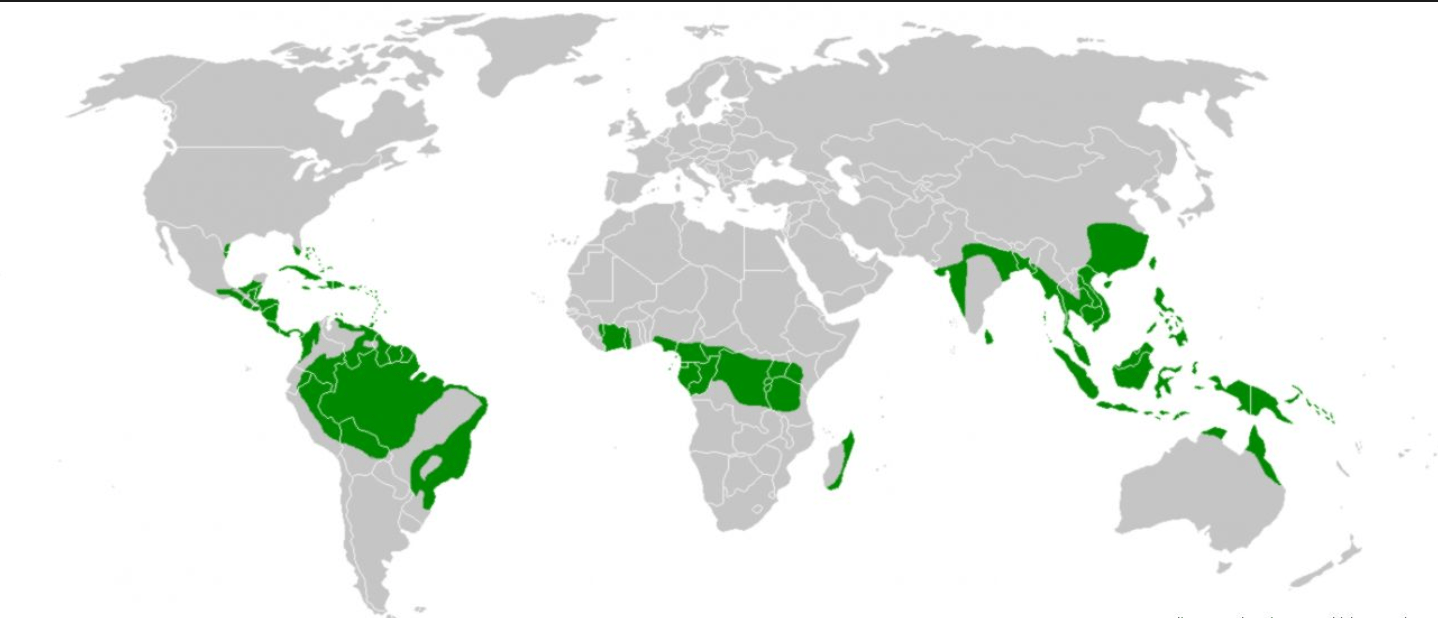
Which biome covers most of the land mass near Earth's equator?
tundra
desert
grassland
tropical rainforest
Which biome has the largest number of species of plants and animals (highest biodiversity)?
tundra
desert
tropical rainforest
pine forest

Which biome contains large populations of grazing herbivores, few species of birds, and deep, rich soil?
taiga
tundra
deciduous forest
grassland

Which biome has deciduous trees (that lose their leaves in the fall)?
Temperate Forest
Rainforest
Grasslands
Taiga

Which biome has 4 seasons?
Taiga
Tundra
Tropical Rainforest
Temperate Forest

Which biome is home to cacti, scorpions, coyotes, kangaroo rats, and lizards?
Desert
Grasslands
Temperate Forest
Taiga

lichens, mosses, grasses, and other low-growing plants are common vegetation in this biome due to the permafrost, low rainfall, and very cold temperatures.
Desert
Taiga
Tundra
Grasslands
Terrestrial (land) biomes cover roughly how much of the Earth's surface?
10%
25%
50%
75%

A desert is very hot during the day and receives very little rain.
Which plants have an adaptation that would help them survive?
plants with waxy coatings
plants with deep roots
plants with large leaves
plants with soft stems

An organism has thick white fur, a bushy tail, and short ears. It often burrows holes and curls into a ball for warmth. To which biome is this organism most likely adapted?
Grassland
Tundra
Taigia
Desert
What does biological diversity mean?
a lot of rain
rich soil
more kinds of plants and animals
great climate differences
What is the rain-forest canopy?
treetops
vines
tree trunks
ground
What is permafrost?
soil that has thawed
soils that is always frozen
a plant in the tundra
muddy soil
How do swamps differ from marshes?
Swamps are near rivers.
Swamps have many birds.
Swamps are very wet.
Swamps have trees.
Which biome covers most of the land mass near Earth's equator?
tundra
desert
grassland
tropical rain-forest
What can you infer about animals that live in the desert?
Most of them are quite large
Most of them are warm-blooded
Most are unable to withstand temperatures below 90 degrees Fahrenheit
These animals can survive on very little water
What is the main factor that separates the biomes?
Land
Water
Climate
Longitude
Prairies and savannas are two examples of this land biome?
Tundra
Grassland
Desert
Taiga

