
Font size
 Worksheets
Biomolecules
Total questions: 71
Worksheet time: 52mins
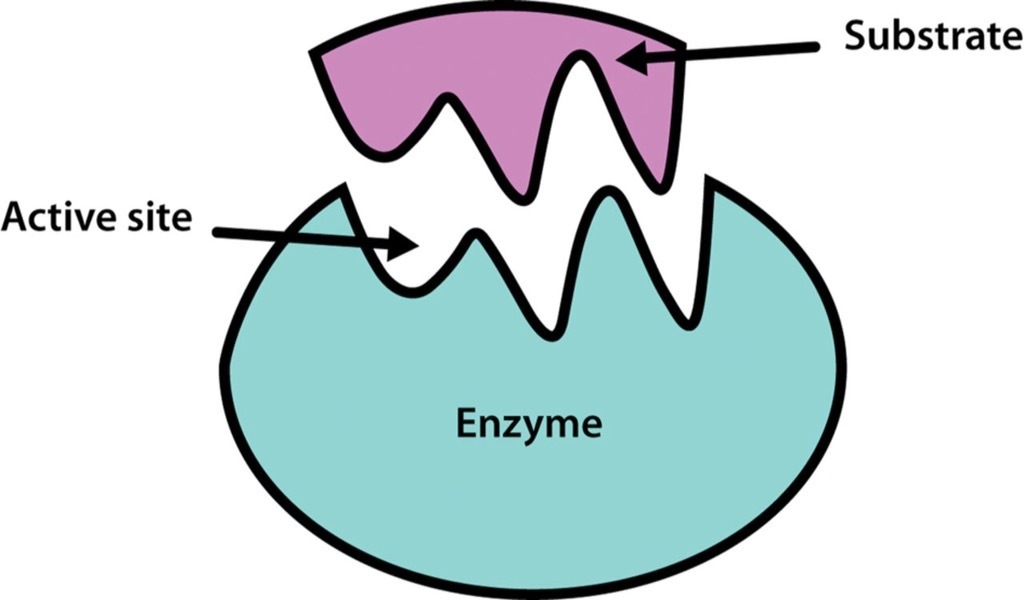
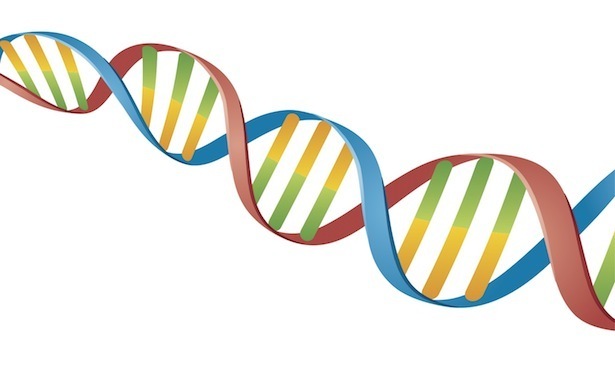
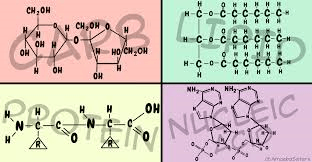
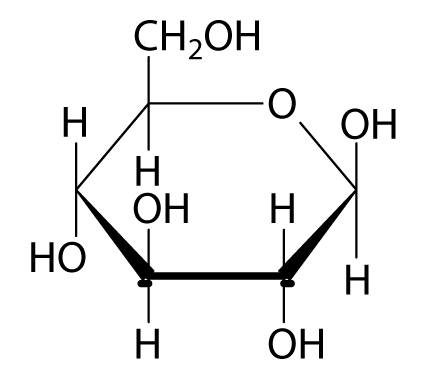

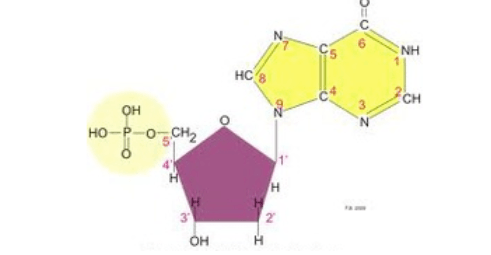
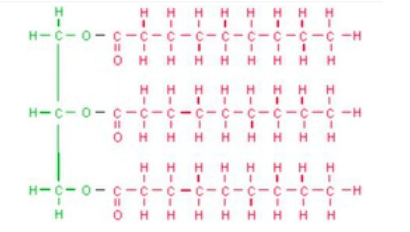

Which biomolecule helps form muscles?
Nucleic Acid
Carbohydrate
Protein
Lipids

Which biomolecule is responsible for insulation and energy storage?
Protein
Nucleic Acid
Lipid
Carbohydrate

Building blocks of polymers.
monomer
polypeptide
monosaccharide
glycerol


The difference of DNA and RNA is the presence of
Uracil
Guanine
Adenine
Cytosine
When 2 amino acids undergo condensation, what bond is formed?
Hydrogen bond
Peptide bond
Van der Waals
Hydrophobic interaction
All amino acids must have these EXCEPT
Carboxylic
Aldehyde
Amine
Hydrogen
The significance of a lipid
Thermal insulator
Catalysis
Transmit genetic information
Control growth
The polymer of carbohydrate EXCEPT
Starch
Collagen
Cellulose
Glycogen

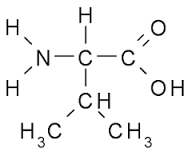
What is the name of this amino acid?
Arginine
Lysine
Valine
Proline

The molecule shown below is
a purine base
a pyrimidine base
a sugar
a fatty acid
an amino acid

The molecule shown below is
a purine base
a pyrimidine base
a sugar
a fatty acid
an amino acid
What kind of molecule is represented by the structure below?
CH3CH2CH2CH2CH=CHCH2CH2CH2CH2CH2CH2CH2COOH
a sugar
an unsaturated fatty acid
a saturated fatty acid
a disaccharide
a phospholipid

What type of chemical bond is illustrated below?
a sugar-sugar bond
a glycerol-fatty acid bond
a peptide bond
a phosphate-phosphate bond
a hydrogen bond
Which of the following functions is not associated with proteins?
contraction
providing structural material
enzymes
specific binding
information storage
Which of the following levels of protein structure is often stabilized by S-S bonds?
primary structure
secondary structure
tertiary structure
quaternary structure
both tertiary and quaternary structures
The level of polypeptide folding in which the primary sequence coils around itself, stabilized by regularly spaced hydrogen bonds, is called
primary structure
alpha helix
beta sheet
tertiary structure
quaternary structure

What is the highest level of structure represented below? (Note: in this model, different polypeptide chains are represented by different colors)
primary structure
alpha helix
beta sheet
tertiary structure
quaternary structure
The sugar end of the DNA strand is referred to as the _____ end and the phosphate end is referred to as the _____ end.
3' ; 5'
top ; bottom
hydrogen ; polynucleotide
5' ; 3'
Proteins: Amino acids :: Nucleic Acids: _________
Fatty Acids
Nucleoside
Nucleotides
Polynucleotides
Sugars: Glycosidic linkages :: Lipids: ___________
Ester linkages
Peptide bonds
Phosphodiester linkages
Chemical bonds
Lipids are hydrophobic because they consist mostly of hydrocarbons, which form nonpolar covalent bonds
TRUE
FALSE
Zinc, an essential trace element for most organisms, is present in the active site of enzyme carboxypeptidase. The zinc most likely functions as
a cofactor necessary for enzyme activity
a competitive inhibitor of the enzyme
a non-competitive inhibitor of the enzyme
a coenzyme derived from a vitamin
NAD+ is the example of
metal ion activator
coenzyme
prosthetic group

Coenzymes are responsible for _
preparing active site
cleaning up
reactants
products

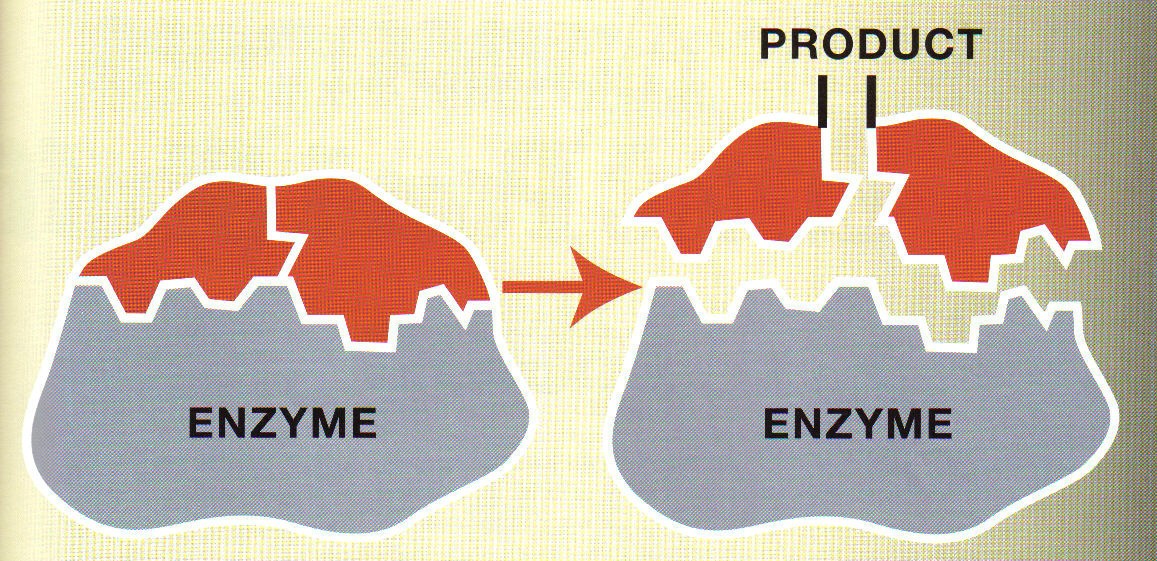
Cyanide is a toxin that stops the mitochondria from producing ATP. If cyanide were introduced into your cells, it is probably acting as a(n)
activator
coenzyme
inhibitor
substrate
Which of the following is FALSE?
All enzymes work best at a neutral pH
Enzymes work well at any pH higher than optimum
At a lower pH, enzyme needs more kinetic energy to function
There is an optimum pH for each specific enzyme.
Enzymatic reactions can be controlled by
the amount of substrates available
the concentration of products
temperature
presence of inhibitors
The specificity of enzymes is due to
their high molecular weight
their surface conformation
their hydrogen bonding
their pH sensitivity
Which of the following shows that enzymes are proteins?
Enzymes are denatured by high heat
Enzyme activity is not affected by increasing temperature
Enzymes have active sites for binding with substrates
The main characteristic of a competitive inhibitor is its ability to
combine with a prosthetic group
occupy an active site
modify a substrate
occupy an allosteric site
Which statement is true for a non-competitive inhibitor of enzyme activity, but NOT for a competitive inhibitor?
Inhibitor molecules are similar to normal substrate molecule in size and shape
Inhibition can be reduced by increasing the concentration of substrate molecules
Large numbers of inhibitor molecules are needed for effective enzyme inhibition
The inhibitor binds to the enzyme molecules at a position away from the active site

In the graph of reaction rate versus substrate concentration shown, the curve reaches a plateau. Reaction rate does not increase any further at higher substrate concentration because
the active sites of the enzyme molecules are saturated with substrates.
there is a competitive inhibitor present.
there is non-competitive inhibitor present.
all substrates have been converted to products.
_____ occurs when enzymes change shape so the active site no longer fits the substrate and the enzyme cannot function.
denaturation
concentration
respiration
reaction
Meat tenderizer contains an enzyme that interacts with meat. If meat is coated with tenderizer and then placed in a refrigerator, how would the enzyme be affected?
It would be broken down.
It's shape would change.
It's activity would slow down.
It would no longer act as an enzyme.
Luciferin is a molecule that, when broken down in fireflies, produces heat and light. The rate at which luciferin is broken down in cells is controlled by
carbohydrates
enzymes
simple sugars
fats
A non competitive inhibitor...
blocks substrates from binding which therefore produces no product
allows substrates to bind but prevents enzymes from functioning properly
helps enzymes bind to the substrate which produces product
The difference between cofactors and coenzymes is
that cofactors only work with inhibitors.
that coenzymes block substrates.
that cofactors promote enzyme activity.
that coenzymes are organic.

Letter A is called
the substrate
the enzyme
the active site
the product

What type of Biological molecules is this?
Carbohydrate
Protein
Lipid
Nucleic Acid

