
Font size
 Worksheets
2nd Nine Weeks CBA Review
Total questions: 54
Worksheet time: 41mins

People who are unbanked are most likely to...
Use a mobile banking app
Receive a monthly statement of their transactions
Deposit their checks at the ATM
Incur lots of fees at Check Cashers to access their money


Overdraft protection...
is a service offered only for premium checking accounts.
brings in a few hundred dollars each year to banks.
is a fee-free service that prevents you from overdrawing.
can keep you from overdrawing but charges a fee.


Mobile or email alerts for your checking account can notify you of...(hint: choose 3 correct answers)
Low balances
Unusual activity
Deposits
Credit Card transactions

Which of the following will DEFINITELY show up on your bank statement at the end of July? (hint: choose 2 correct answers)
Ice cream bought with your debit card on July 16th
A salad bought with cash on July 5th
A birthday check you gave to your brother on July 18th
An ATM withdrawal you made on July 21st


How can you protect your checking account when using online and mobile banking? (hint: choose 2 correct answers)
Use a strong password
Sharing your pin # with only 1 person in case you forget it
Connect to a secure WiFi network
Opt-out of alerts to notify you of unusual activity



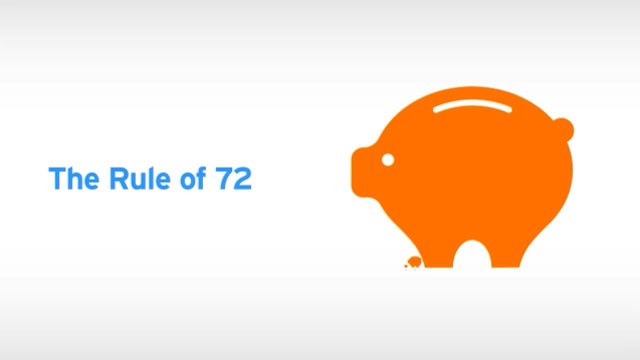

At what rate does your $ need to grow in order to double in 18 years?
2%
4%
6%
8%

Which of the following is NOT a typical type of credit?
Mortgage
Overdraft
Credit Card
Pre-Paid Debit Card

Which of the following could be a SECURED loan? (hint: choose 2 correct answers)
Auto loan
Student loan
Mortgage
Overdraft

What may NOT impact the interest rate on your loans?
Your relationship with the financial institution
Your credit score
The loan amount
Your level of education

True or False: A cosigner's credit history can be affected by the loan they are cosigned on.
True
False

What information on a Schumer Box should you focus on when choosing a credit card? (hint: choose 3 correct answers)
The term of the credit card
Annual Percentage Rate (APR)
Grace Period
Fees

Which is TRUE when you make only the minimum payment each month?
You are charged interest on the remaining balance
Your credit line is restored to its maximum amount
Credit card companies have permission to sell your information
It is the fastest way to pay off your debt

Which is TRUE about Payday loans?
You can pay them back in installments
You are charged a 1-time fee for the loan
Most people successfully pay these loans back
You need a credit card account to get one

How do federal student loans differ from private student loans?
Fed loans have fewer and less flexible repayment options
Fed loans generally have higher interest rates
Private loan repayment may start while you're in school
Private loans don't require a cosigner, fed loans do

When repaying your Federal student loans...(hint: choose 2 correct answers)
repayment begins the day after you graduate
a loan servicer will contact you before repayment begins
you are required to begin with the Standard Repayment Plan
you can choose from different repayment plans

Which of the following situations is an example of responsibly taking on debt?
Get a credit card but don't use it to avoid more debt
Spend up to your credit limit each month
Become an authorized user on an adult's card
Make only the minimum payment each month

How can you build a positive credit history as a college student?
Get a credit card but don't use it to avoid more debt
Spend up to your credit limit each month
Become an authorized user on an adult's card
Make only the minimum payment each month

Your net worth...(hint: choose 2 correct answers)
is what you owe minus what you own
is your assets - your liabilities
is your liabilities - your assets
is what you own minus what you owe

T/F: A negative credit event (bankruptcy) can have a WORSE impact on a higher credit score.
True
False

Which of the following is TRUE about a credit report?
It is a complete history of one type of credit you have
Credit reports are maintained by the 5 main credit bureaus
You can get a copy of your credit report for free
You can get a credit report only when you're 21 years old

Which of the following does NOT contribute to your credit score?
Your payment history
Which banks issued your credit cards
Your debt-to-credit ratio
Length of credit history

How are a credit score and credit report related?
A credit report is determined by the factors in your score
A credit score is determined by the factors in your report
Credit reports are less important than your credit score
They're not related at all

Q13:Using the debt snowball method, you make...
minimum payments on all of your loans
one large payment on one loan
minimum payments on small loans; pay extra on large loans
minimum payments on large loans; pay extra on small loans

Using the High Rate Method, you...
pay off all your loans in the least amount of time
put extra money towards loans with the lowest interest rate
put extra money towards loans with the highest interest rate
make one large payment on the loan with the highest rate

Which types of debt usually CANNOT be erased or reduced?
Federal student loans
Credit card debt
Medical bills
None of these types of debt can be erased or reduced

What information can you find on a credit report?
Your medical insurance information
Your parents' and siblings' contact information
Your education level
Inquiries you've made on new lines of credit

All of the following may access your credit report EXCEPT...
A landlord
A future employer
Colleges and universities
Insurance companies Insurance companies

Jim is 23 and has 1 credit card. What would be the best way to improve his credit score? (hint: choose 2 correct answers)
Get 4 more credit cards in the next 3 months
Diversify his credit - get an loan for the car he needs
Make sure he makes his payments in full & on time
Increase his credit utilization rate

All of the following are costs of going to college EXCEPT...
Tuition and fees
Room and board
Textbooks and school supplies
Scholarships and grants

Which is TRUE about sticker price and net price? (hint: choose 2 correct answers)
Net price is the published cost of going to a school
Sticker Price is the published cost of going to a school
Net price is the sticker price minus scholarships & grants
Sticker price is the net price minus scholarships & grants

When does the FAFSA filing period open every year?
January 1st
June 1st
October 1st
December 1st

Why should you file the FAFSA as early as possible?
It can help your chances of being accepted into schools
Aid is given out on a first-come, first-serve basis
You're guaranteed to get more merit-based scholarships
You'll get a lower interest rate on federal student loans

What kinds of aid are you eligible for by filing the FAFSA? (hint: choose 3 correct answers)
Grants and Scholarships
Private Student Loans
Work-Study
Federal Student Loans

How do scholarships and grants differ?
Scholarships are need-based; grants are merit-based
Grants are private forms of aid; scholarships are federal
Grants are need-based; scholarships are merit-based
They're not different; they are one and the same

Which is TRUE about the FAFSA?
You only need to file the FAFSA 1x in your college career
Your parents must earn below a set amount for you to apply
You need to file it at the start of every quarter/semester
There is no cost to file the FAFSA

Which is TRUE about the EFC?
It's the cost of filing the FAFSA
It's how much you & your family are expected to pay for college
It's another term for "net price"
It's how much your parents must contribute towards college

Which of the following is the correct flow of submitting/receiving these documents?
SAR > FAFSA > Financial Aid Package
Financial Aid Package > SAR > FAFSA
FAFSA > Financial Aid Package > SAR
FAFSA > SAR > Financial Aid Package

What are two things you will need to do if you accept a Federal student loan?
Agree to an official credit check by the government
Complete entrance counseling
Pay a refundable deposit to secure your loan
Sign a Master Promissory Note

Which of the following is TRUE about how you get your financial aid?
All financial aid is paid directly to you in one payment
All financial aid is paid to you in installments
Aid is 1st applied to your account; you get the rest
The school receives all of your financial aid

Which of the following is TRUE about federal and private student loans?
Private loans may be subsidized; federal ones are not
Both types offer the same repayment plans
Private loans always offer fixed interest rates
Fed. loans don't have prepayment penalties; private ones may

How can you lower the total amount you in pay in student loans?
Choose a repayment plan with a longer term
Accept private loans first, then federal ones
Make interest payments during your grace period
Accept loans with variable interest rates, not fixed ones

What can happen if you don't make payments towards your student loans? (hint: choose 2 correct answers)
You will owe all interst in full after 270 days
Your loan balance may become due in full, but no interest
Your loan servicer will contact you via phone, email, etc.
Your credit score may suffer

When looking at a financial aid award letter, which type(s) of aid would you have to pay BACK?
Federal Pell Grant
Direct Subsidized Loan
Merit Scholarship
Federal Work-Study

In what order should you accept different types of financial aid?
Work-study, scholarships, federal loans, private loans
Private loans, scholarships, work-study, federal loans
Scholarships, work-study, federal loans, private loans
Scholarships, work-study, private loans, federal loans

