
NEW
Font size
 Worksheets
Matter and Chemical Change Final Review
Total questions: 42
Worksheet time: 41mins
What does HHPS stand for?
Household Housing Product Sytem
Hazardous Household Product Symbols
High Height Product System
Hazardous Household Product System
What does WHMIS stand for?
Workforce Housing Materials Information System
Work Height Managing Information Symbols
Wokrplace Hazardous Material Information System
Workplace Material System

What does this HHPS mean?
Caution Corrosive
Warning Flammable
Warning
Danger Corrosive

What safety Symbol is this?
Flamable
Oxidizing
No Open Flame
Explosion
period
Elements that occur in vertical columns on the periodic table.
A horizontal row of elements in the periodic table
Found in group two of the periodic table; highly reactive
A subatomic particle that has a negative charge
atomic number
gas at room temperature, low boiling point
a subatomic particle that has a negative charge
number or protons and neutrons
the number of protons in the nucleus of an atom
found in group one of the periodic table; highly reactive
Non-metals
Transition Metals (Groups 3-12)
alkali metals (group 1)
metalloids (semimetals)
neutron
A subatomic particle that has a positive charge and that is found in the nucleus of an atom
not able to conduct heat or electricity, little to no metallic luster
A subatomic particle that has a negative charge
A small particle in the nucleus of the atom, with no electrical charge
A subatomic particle that has a positive charge and that is found in the nucleus of an atom
Proton
elecrtron
groups
neutrons
A subatomic particle that has a negative charge
nobles gases
protons
electrons
neutrons
Halogens (Group 17)
gas at room temperature, low boiling point.
most reactive nonmetals
The electrons in the outermost shell (main energy level) of an atom; these are the electrons involved in forming bonds
Number of protons and neutrons
Number of protons and neutrons
atomic number
atomic mass
noble gases
Non-metals
metalloids (semimetals)
Elements that occur in vertical columns on the periodic table.
an element that has both metallic and nonmetallic properties
not able to conduct heat or electricity, little to no metallic luster
found in group one of the periodic table; highly reactive

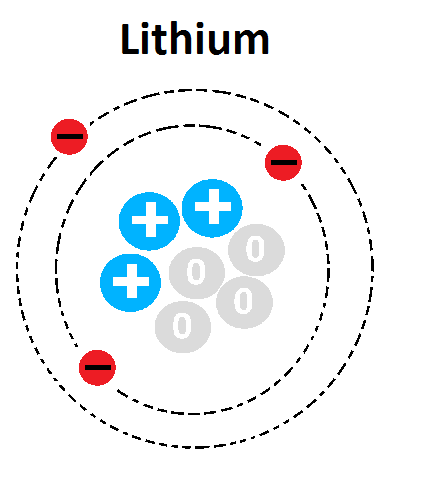

A bond between a metal and a nonmetal is called a(n)
covalent bond
ionic bond
metallic bond
transfer bond
Identify the following compound as ionic or covalent: Na2SO4
ionic
covalent
Identify the following compound as ionic or covalent: MgO
ionic
covalent
Fe(NO3)2
Fe(NO3)2

