
 Worksheets
Anatomy Semester Review Fall
Total questions: 41
Worksheet time: 22mins
Anatomical Position
Standing erect with arms rotated so palms are facing forward
Standing erect with arms rotated so thumbs are facing inward
Standing erect with palms against thighs
Standing erect with arms extended perpendicular to the torso
The thoracic cavity contains all of the following body organs
Heart
Liver
Lungs
Trachea
The integumentary system helps you
help your lungs breathe
helps your bones move safely
helps your body digest food
regulate your body temperature
These muscle cells have no striations
skeletal
smooth
cardiac

Identify the body cavity at 2
Cranial
Pelvic
Abdominal
Spinal
Thoracic
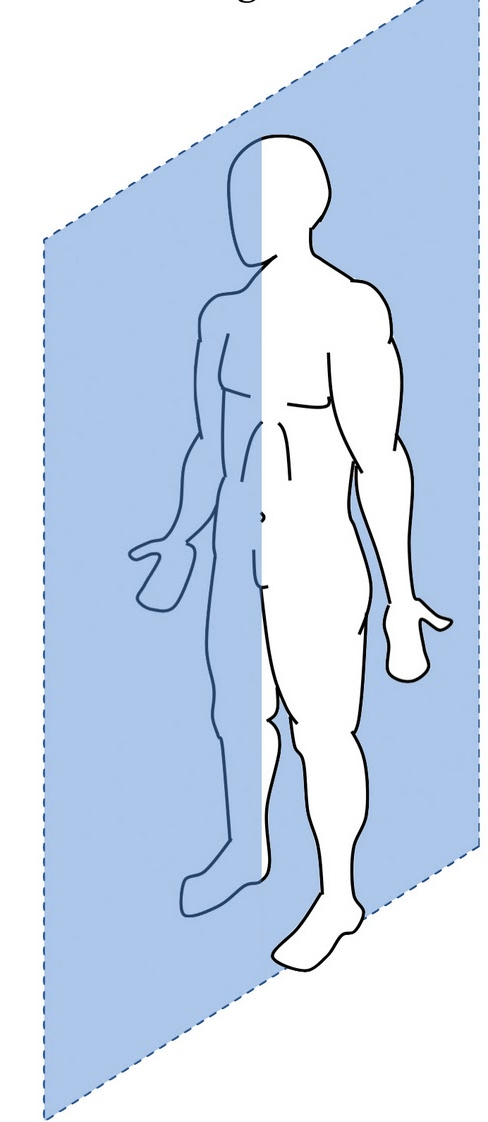
When looking at planes of the body, the sagittal plane:
divides body into an anterior and posterior section
divides body into left and right
divides the body into unequal regions
divides body into inferior and superior section
This is produced in the sebaceous glands...
dirt
follicles
sweat
sebum
A sarcomere
is a section of a myofibril
gets shorter when it contracts.
has striations
Slow to contract
the largest and highest section of the brain
cerebrum
medulla oblogata
cerebellum
meninges
The tanning effect that occurs when a person is exposed to the sun is due to
Carotene
Keratin
Sebum
Melanin
Melatonin
How many pair of spinal nerves are there
24
31
12
16
26
Joint found at the elbow
hinge
ball and socket
saddle
pivot
condyloid
The Axis is found in the
Abdominal cavity
Thoracic Spine
Cranium
Dorsal Cavity
Cervical Spine
Number of bones in the axial skeleton, total bones in the body and bones of the appendicular skeleton
206, 126, 80
80, 208,126
80, 206, 126
126, 206, 80
A blister forms and the burn is painful
1st degree
2nd degree
3rd degree
4th degree
Connective tissue covering the fasicle
Epimysium
Perimysium
Endomysium
Periosteum
Sweat gland found in the forehead
Appocrine
Sebum
Eccerine
Sebaceous
Cartilage found at the end of long bones
Elastic
Fibrocartilage
Articular
Meniscal
The contractile unit of a muscle known as a
Sarcolema
Myofibril
Sarcomere
Myosin
Elevated ridges on the surface of the cerebral hemisphere
Sulki
Gyroscope
Vulki
Gyri


Which number indicates the hair shaft?
(a)


Which of the following is NOT a type of muscle tissue?
Skeletal
Cardiac
Smooth
Epithelial
Which plan divides the body into anterior and posterior?
Coronal Plane
Transverse Plane
Sagital Plane
The transverse plane divides the body into...
anterior/posterior
superior/inferior
medial/lateral
proximal/distal


Which letter represents the parietal lobe?
A
B
C
D


What structure is the arrow pointing to?
the brain stem
the cerebellum
the frontal lobe
the occipital lobe
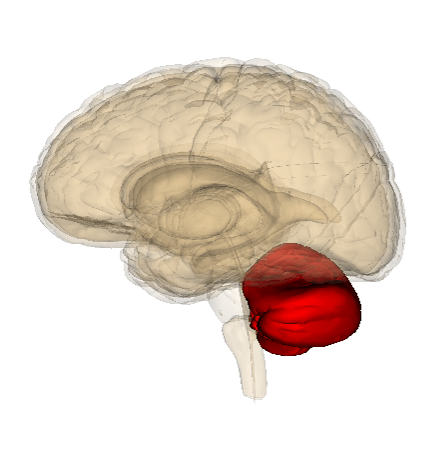
Which part of the brain is responsible for balance and coordination?
Thalamus
Frontal lobe
Medulla oblongata
Cerebellum
Which of the following is a function of the integumentary system?
Filtering waste
Protecting internal organs
Pumping blood
Producing hormones
Which type of muscle tissue is found only in the heart?
Connective
Smooth
Skeletal
Cardiac

