
 Worksheets
AMS - Whoa, we did all that?
Total questions: 65
Worksheet time: 2hrs 10mins
Archaeologists study the past by
examining objects that people have left behind.
studying natural features of Earth.
studying human-made features of Earth.
examining diaries and letters made in the past.

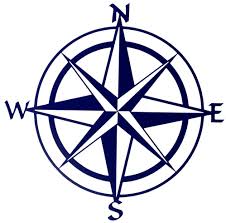
What is the name of this part of the map?
Legend
Title
Compass Rose
Map Scale

What important discovery did four teenagers make at Lascaux, France in 1940
clay sculptures of an army of soldiers
a cave filled with paintings of animals
the stone wall of an ancient storage shed
a wooden stick used for throwing a spear
The remains of an early hominid that lived more than 3 million years ago was discovered by an American paleoanthropologist who nicknamed her _________.
Susan
Donald
Smelly
Lucy
An animal that walks on two feet is called a _______.
Moped
Triped
Biped
Ape


Identify the picture and explain its importance to Sumer.
crusty bread - helped with the stable food supply.
tool technology - used as a stepping stone when soil was wet.
cuneiform tablet - written language that helped with record keeping.
artwork - provided beauty in homes by hanging on walls.

Bringing water to your crops. Including: Building dams, channels, canals, and ditches
irrigation
monsoon
sprinkler
rivers flow

The building in the picture was most closely related to which of these features of Sumerian civilization?
food
writing
religion
government

What is this?
A chariot
A lyre
A ziggurat
An artisan's home


What was the purpose of Assyrian aqueducts?
A. to bring water to the city
B. to raise crops in the dry soil
C. to let boats pass between rivers
D. to protect the palace from attack
What does polytheistic mean?
belief in one god
Belief in more than one god


Where was the only place in Egypt where people could live?
south of the 1st cataract of the Nile
in the Nile Delta region
in the pyramids to keep cool
along the Nile River

Which sea is immediately north of Egypt?
the Red Sea
the Dead Sea
the Mediterranean Sea
the Nile Sea

What were the kings of Ancient Egypt called?
viziers
Nubians
pharaohs
scarabs

Who are one step below pharaohs in the social class pyramid of Egypt?
officials and scribes
artisans and merchants
priests
armers


Long-lasting, paper-like material made from reeds that Egyptians used to write on
obelisk
hieroglyphics
papyrus
tablets

Why do Jews consider the Western Wall in Jerusalem a sacred place?
A. It was built by King Solomon.
B. It was part of the Second Temple.
C. It was where many Jews died in rebellion against Rome.
D. It was constructed with the stones that held the Ten Commandments.

a waterfall or rapids in a river...
strait
fjord
cataract
bifurcation

a land form made of sediment (silt) that is deposited where a river flows into an ocean or lake
cataract
delta
cliff
plateau
Why did Egyptians bury some bread and beer with their dead?
to show them respect
to avoid the risk of poison
to feed them in the afterlife
to perform a sacrifice to the gods
moldy bread dipped in beer will be safe to eat
Are long mountain near the coasts of India. When seen from above, these mountain range forms a large "V" around the Deccan Plateau.
Eastern and Western Ghats
Deccan Plateau
Himalaya Mountains
Hindu Kush Mountains
Which of these activities was permitted only to men?
owning land
running a business
working as a scribe
asking for a divorce


This symbol represents
the Khanda
the Middle Way
the Aum/Om
the Noble Eightfold Path
belief in one god
polytheistic
monotheistic
covenant
adherent

Why are Egypt's social classes represented using a pyramid?
The triangle represented the three seasons of the Nile.
Most people were in the bottom classes, and the fewest people were at the top.
Scientists like to use a pyramid to keep the layers apart.
Pyramids were already in Egypt anyway.
This river runs flows across most of northern India. Starting in the Himalayas, the river carries silt from the Himalayas and leaves rich sediment behind making some of the most fertile farmland in the world.
Brahmaputra River
Indus River
Ganges River
Eastern & Western Ghats
What was the Exodus?
an agreement between Abraham and God
the departure of Israelites from Egypt
the first book of t he Torah
the start of the Israelite slavery in Egypt
________________ a strong wind that brings heavy rain to southern Asia in the summer.
plateau
monsoon
subcontinent
The word diaspora means...
"a scattering over a wide area."
"to walk in a straight line."
"to find something you've lost."
"to be strong when you feel fear."
________________ a large landmass that is smaller than a continent.
plateau
monsoon
subcontinent
This mountain range is located along India's northern border. It is the highest range in the world and forms the border for most of India.
Eastern and Western Ghats
Deccan Plateau
Himalaya Mountains
Hindu Kush Mountains
What was the deity, Brahma, responsible for?
Teaching
Preserving
Creating
Transforming
Which feature of Mohenjodaro was quite different from other settlements of that time?
high wall
dirt roads
brick homes
sewer system
In the Caste system, who was discriminated against because their work was considered lowly?
The Kshatriyas
The Vaishyas
The Untouchables
The Brahmins
What is Dharma?
The responsibilities and duties someone has
The god of teaching
The priests in the Hindu religion
The sacred texts for the Hindu religion
What was the deity, Vishnu, responsible for
Teaching
Preserving
Creating
Transforming
Which festival celebrates the victory of good over evil?
Holi
Brahma
Karma
Diwali
What is the cycle of birth, death, and rebirth called?
Tirupati
Samsara
Brahman
Vishnu
What was the deity, Shiva, responsible for?
Teaching
Preserving
Creating
Transforming

