
 Worksheets
Transportation in Animals and Plants Grade - 7
Total questions: 45
Worksheet time: 25mins
All organisms need food, ________, and water for survival.
Oxygen
Shelter
Carbon Dioxide
All of these

Blood carries _________ from the lungs to the cells of the body.
Argon
Neon
Carbon Dioxide
None of these
Which of the following are parts of the heart?
Right Auricle
Left ventricle
Tricuspid Valve
Cerebrum
The red pigment in blood is called
Plasma
Arteries
Haemoglobin

Heart is located in the _____________
Brain Cavity
Chest
Chest Cavity
Beside's Kidney
White patches formed in places like underarms during humid weather are due to:
Salt present in sweat.
Sugar present in sweat.
Acid present in sweat.

The process of removal of unwanted, harmful, and toxic substances in our body is called excretion system.
True
False

The fluid part of blood is called-
Haemoglobin
White blood cells
Plasma

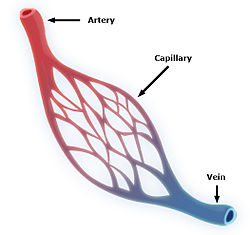
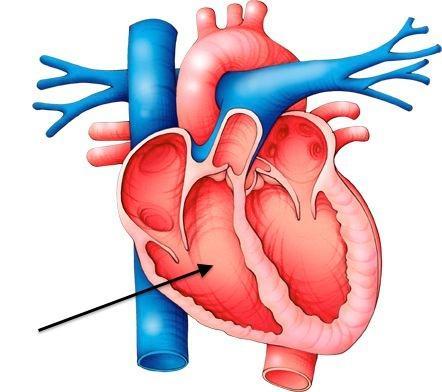
What do you see in this image? (Highlighted Part)
Veins
Capillaries
Arteries
Blood vessels
Is this statement true/false?-
" Dialysis is the process of filtering blood through an artificial process when a person's kidney stops working due to an injury or malfunctioning"
False
True
Can't say
Which part of the blood has haemoglobin?
WBCs
RBCs
Blood platelets
Plasma
_____ is the muscular wall that devides the heart length wise-
Septum
Ventricle
Atrium
None
In plants, food prepared by the leaves is transported to all the other parts of the plants by-
Stomata
Phloem
Root hair
Xylem
________ help in the clotting of blood.
WBCs
RBCs
Platelets
Blood Plasma
Excretion, in unicellular plants and animals, takes place through _________.
Diffusion
Osmosis
Urine gets collected in the _______.
Ureter
Kidney
Urethra
Urinary bladder
________ is the blood vessels which carry oxygen rich blood, from the heart, to all parts of the body.
Arteries
Veins
Systole
Xylem
Which of the following is not a function of blood?
Blood cells, especially the WBCs, help fight infections.
Blood helps to distribute the digested food to all parts of the body.
Circulation of blood helps to maintain the body temperature
Blood removes the carbon dioxide, produced during respiration.
Contraction of the heart muscles is also called-
Systole
Diastole
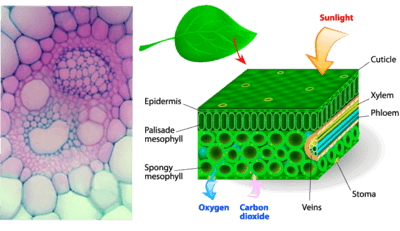
Recall that the movement of food in the phloem is called.
Translocation
Transpiration stream
Evaporation
Respiration
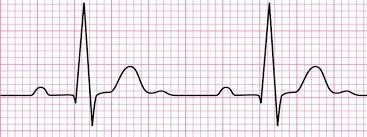
Type of device that records the electrical signal from your heart to check for different heart conditions.?
AED
MRI
ECG
CAT Scan
Which of the following indicates the pathway of water through a plant?
root hair cell --> xylem --> stomata
stomata --> root hair cell --> xylem
xylem --> stomata --> root hair cell
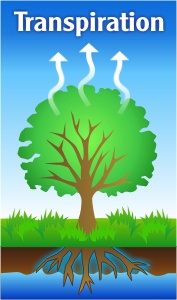
Why plants become wilt?
Less water evaporate from the plants
The plant loss excessive amount of water through transpiration
The stomata of the plants are closed
The weather are cool.
The function of transpiration is to transport _______ and ____________ from the roots to the leaves
water, mineral salts
food, nutrients
water, food
Root hairs help in absorption of water by
increasing the surface area
decreasing the surface area
holding the plant in the soil
none of the above
Which of the following does not have valves
Heart
Arteries
capillaries
veins
A hereditary disease where blood does not clot to stop bleeding.
hemophilia
heart disease
sickle-cell anemia
leukemia
During which condition transpiration occurs?



