Worksheets
WEATHERING AND EROSION REVIEW
Total questions: 70
Worksheet time: 1hrs 4mins

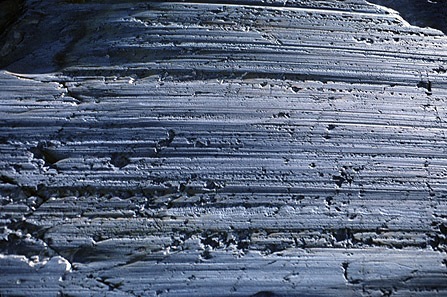
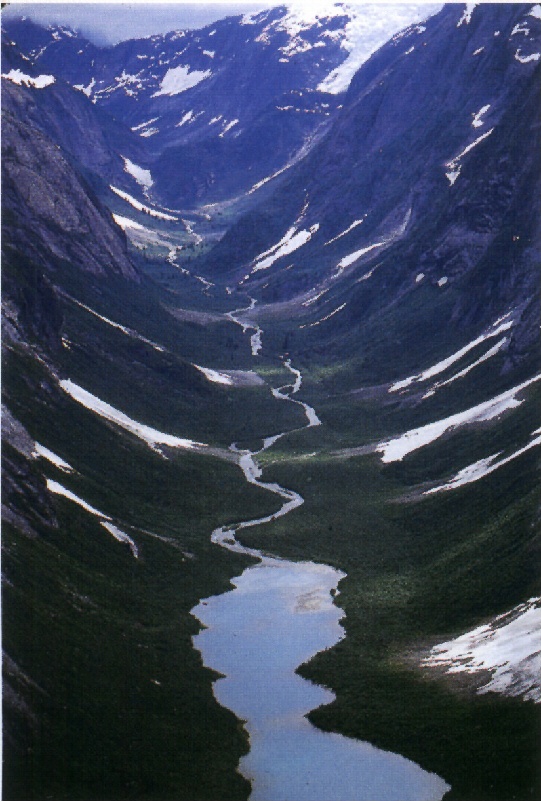
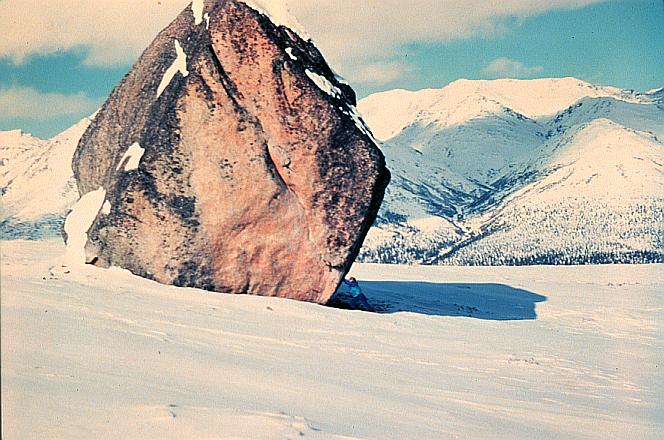
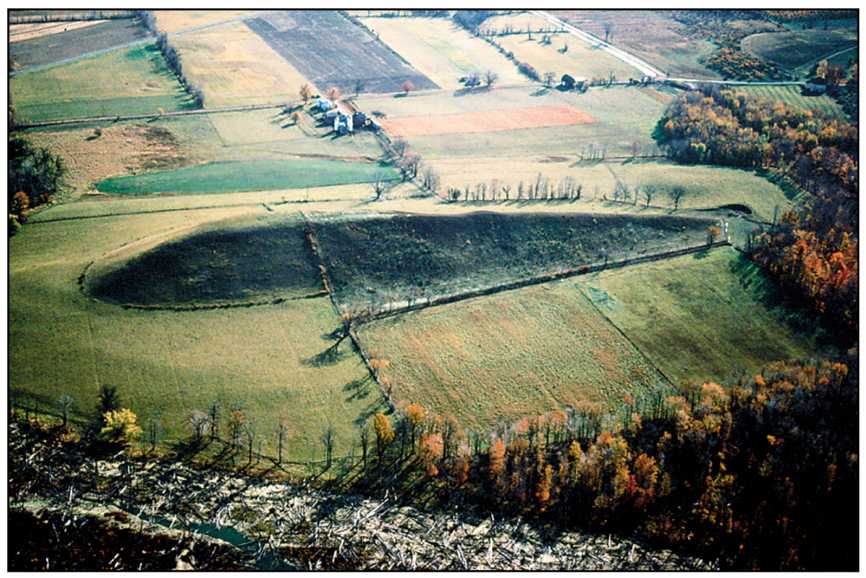
What caused these rocks to be shaped the way they are?
Wind and Sunlight
Wind and Waves
Waves and Sunlight
Waves and Gravity
Juan picks up a pebble from a river. The pebble is very smooth. Juan forms a hypothesis that the rock is smooth because it rubbed against other rocks and sand in the river. Which process did he explain?
abrasion
oxidation
chemical weathering
deposition
In places where there is loose sand and strong wind, the wind can pick up the sand and carry it. When the wind slows, it drops the sand. What is this process called?
weathering
erosion
deposition
oxidation
Repeated freezing and unfreezing is an example of what type of weathering?
chemical
erosion
physical
deposition
Rain washing away soil from a hillside is an example of...
weathering
erosion
deposition
This process moves bits of rock from one place to another.
mechanical weathering
chemical weathering
erosion
deposition
This process involves changing the composition of the minerals that make up a rock.
chemical weathering
mechanical weathering
erosion
deposition
Physical weathering is caused by all of these EXCEPT???
abrasion (wearing away)
burrowing of animals
oxidation (forming rust)
ice wedging
Erosion is caused by all of these EXCEPT???
gravity
ice
water
delta
Landslides, mudslides, and creep are caused by.....
wind
gravity
ice
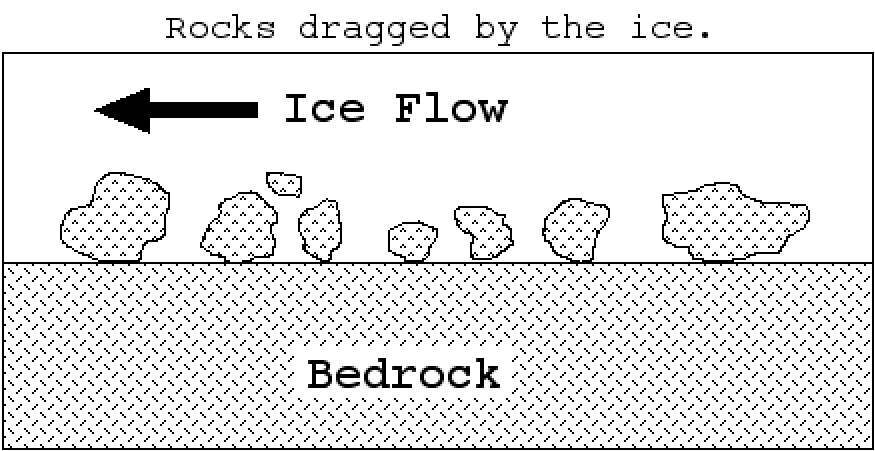
A glacier is....
the term we use to describe any type of ice wedging
an extremely large mass of ice slowly plowing its way down a valley
not something that happens anymore
Carbonation is
when carbon dioxide and rain react to form carbonic acid, a form of acid rain that chemically weathers some types of rock
when rust is formed
when water is added to the minerals in a rock to soften the rock
What is the difference between mechanical weathering and chemical weathering?
Mechanical weathering is breaking down of rocks
Mechanical weathering is the change in chemical composition
Chemical weathering has a change in the rock's chemical composition and mechanical doesn't
Chemical weathering is breaking down of rocks
Which weathering has water freeze in the cracks and wedges it apart because water expands when it freezes?
Frost Wedging (Freeze thaw)
Abrasion
Plant root growth
Exfoliation
Which weathering is the gradual peeling of layers due to uplift?
Freeze thaw
Plants and animals
Abrasion
Exfoliation
Oxidation forms ______________
Water
Plants
Rust
Ice
Weathering rates are faster in ________________ climates.
Warm and dry
Dry and Cold
Warm and wet
Dry and wet
What is the removal and transport of weathered material?
Weathering
Erosion
Landslide and rock slides occur in very ___________ vertical cliffs.
Steep
Shallow
Horizontal

With a steeper slope, we would expect to see...
less erosion
more erosion
the same amount of erosion
no erosion at all
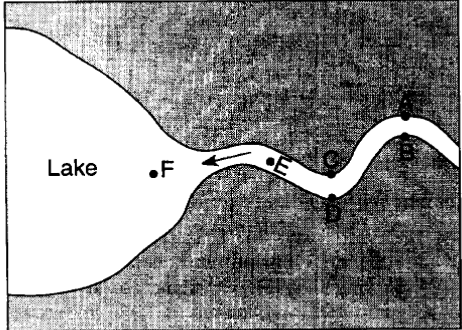
At which locations is the amount of deposition greater than the amount of erosion?

What type of weathering is changing the composition of the rock or mineral?
Chemical
Mechanical
Biological

The movement of ________ is a major agent of erosion along streams, rivers, beaches, and underground.
Gravity
Ice
Water
Wind

Sara blew through a straw and directed her breath at a pan of sand. The sand began to move. She is showing how the ______ erodes the land.
Ice
Gravity
Water
Wind

Landslides and mudslides are an example of erosion by ________.
Gravity
Ice
Water
Wind

The process where glaciers erode an area over a long period of time is ______ erosion.
Gravity
Ice
Water
Wind

________ is the breaking down or dissolving of rocks.
Deposition
Erosion
Weathering
Landslides, rockfalls, and mudslides are responsible for both erosion and deposition. What force is mainly responsible for the erosion and deposition that happens in landslides, rockfalls, and mudslides?
A. ice
B. wind
C. gravity
D. temperature

How can a glacier affect land in a valley?
the glacier can erode rock and soil and deposit it somewhere else
the glacier probably melted and then flooded the valley
the glacier brought seeds with it so new trees could grow

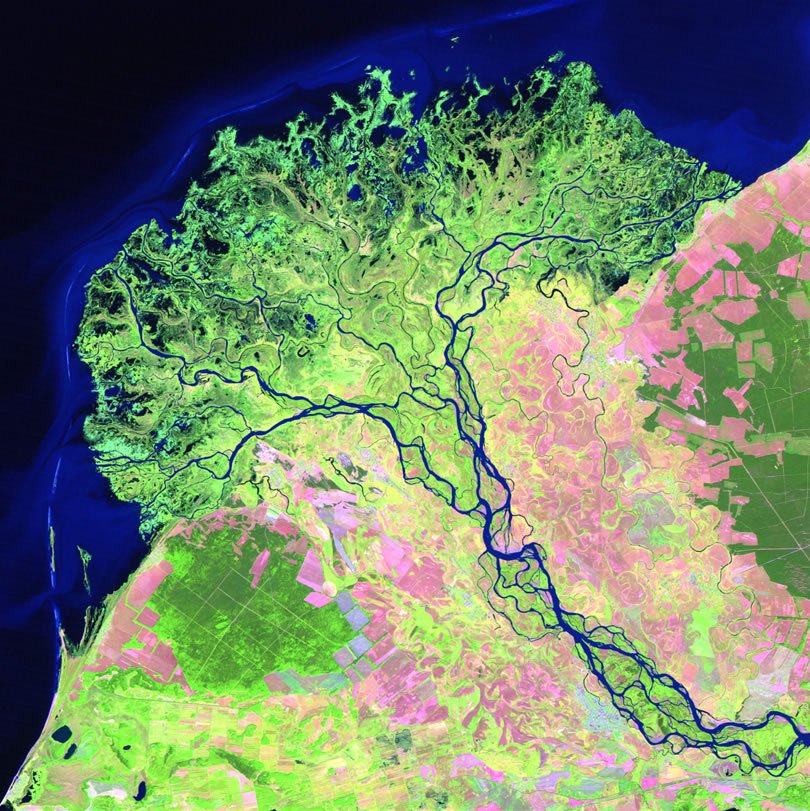
A delta is an example of
Erosion
Weathering
Sediment
Deposition
Waves and currents help to form beaches.
True
False
Which does not impact the infiltration of water?
porosity/permeability of water
rate of precipitation
water table level
amount of pollution in a nearby stream
The area of land drained by a river and its tributaries
Watershed
Drainage basin
River area
Groundwater
Where the water goes up through the plants and is released into the air through the leaves
Evaporation
Transpiration
Condensation
Interception
Impermeable Rock
Rock that allows water to pass through it
Rock that does not allow water to pass through it
The rate at which infiltration takes place, expressed as inches per hour.
Percolation rate
Infiltration rate
Lag time
Through Flow
The level below the earth's surface at which the ground becomes saturated with water.
Water Table
Groundwater Storage
Surface Storage
Soil Moisture Storage
The volume of water flowing through a river channel
Water table
Through flow
River discharge
Surface Runoff
Source
Where the river meets the sea
Where two rivers meet
Something you put on chips
The starting point of the river
Tributary
A smaller river leading to the main channel
The meeting point of two rivers
The start of the river
The edge of the drainage basin
Watershed
The point where the river meets the sea
The meeting point of two rivers
A smaller river meeting the main channel
The edge of the drainage basin

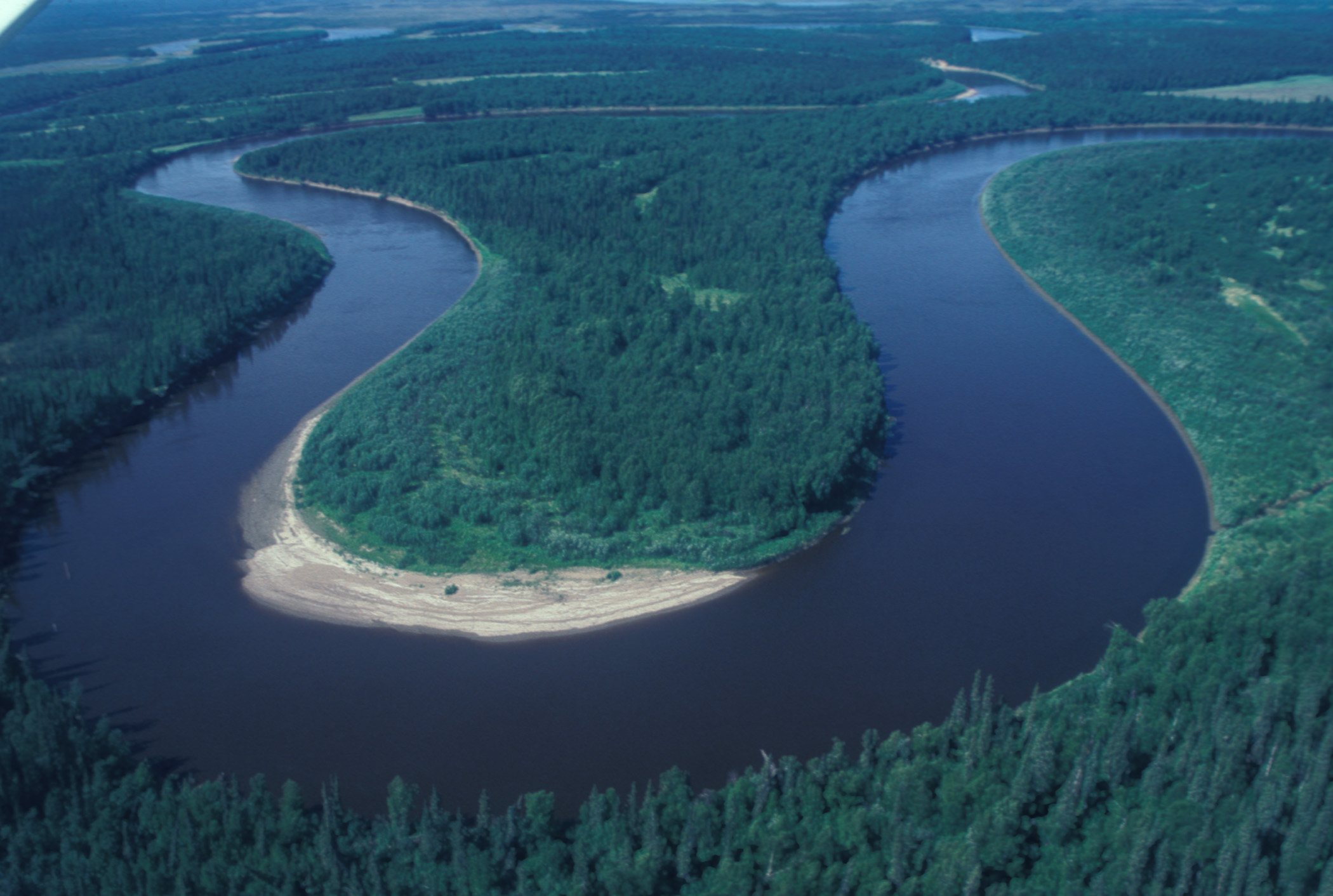
What river feature does this image show?
Meander
Oxbow Lake
Tributary
Headwaters

Where will there be the most erosion?
A
B
C
D

Where is the water in the river moving the slowest?
A
B
D


What is the name of the point where a river ends & empties into another river or large body of water?
Tributary
Water Shed
Confluence
Mouth
Which term best describes the general flow of water over land?
runoff
precipitation
transpiration
condensation

What stage of a river is closest to the ocean?
Youthful
mature
old
What stage of the river moves the fastest?
youthful
mature
old
They all move at the same speed
In the Youthful Stage of a river (in the mountains), what shape valley does the river cut into the hillside?
"S" shape
"U" shape
"L" shape
"V" shape
In the mature stage of a river, where the it begins to leave the mountains, the river cut valley widens and the river begins to ___________________
ALL of these
slow down
begin meanders
start a flood plain