wayground logo

Free Printable Worksheets

Font size

S
M
L
XL
Worksheets

Earth Science Study Guide

Total questions: 90

Worksheet time: 8hrs 30mins

Name
Class
Date
1.

How does the latitude of a region affect its climate?

a)

by increasing the length of days throughout the year

b)

by increasing the amount of energy the land can absorb

c)

by determining the angle of sunlight throughout the year

d)

by determining the rate that tectonic plates can move

2.
Convection currents occur in Earth’s interior.  Which layer has convection currents? 
a)
crust
b)
mantle
c)
inner core
d)
outer core
3.

The apparent brightness of a star depends on:

a)

Mass

b)

Distance from Earth

c)

Gravitational pull

d)

What color it is

4.

How long does it take Earth to rotate on its axis?

a)

One year

b)

One month

c)

One season

d)

One day

5.

What causes shadows to change throughout the day?

a)

Earth's tilt

b)

Earth's rotation

c)

Earth's revolution

d)

The shadow monster

6.

What causes seasons?

a)

The Earth's tilt on its axis

b)

The Earth's revolution around the sun

c)

The Earths rotation

d)

A full moon

7.

When it is summer in the Northern Hemisphere, what season is it in the Southern Hemisphere?

a)

Summer

b)

Winter

c)

Spring

d)

Fall

8.

Lines running East to West, measuring distance North or South of the Equator in Degrees.

a)

Latitude

b)

Longitude

c)

Meridian

d)

Parallel

9.

Lines running North and South, measuring distance East or West of the Prime Meridian in degrees.

a)

Latitude

b)

Longitude

c)

Meridian

d)

Parallel

10.

90 Degrees North.

a)

Equator

b)

Prime Meridian

c)

South Pole

d)

North Pole

11.

What is the tilt of Earth's axis?

a)

33 degrees

b)

23.5 degrees

c)

45 degrees

d)

15 degrees

12.
What are the coordinates for the city of New Orleans? 
a)
30 degrees north and 90 degrees west
b)
60 degrees north and 30 degrees east
c)
30 degrees north and 120 degrees east
d)
35 degrees north and 70 degrees west
13.
If you were at 30 degrees south and 60 degrees west, which continent would you be in?
a)
Europe
b)
Africa
c)
South America
d)
Australia 
14.
If you were located at 30 degrees south and 90 degress east, what ocean would you be in?
a)
Indian Ocean
b)
Atlantic Ocean
c)
Arctic Ocean
d)
Pacific Ocean
15.

Name the green continent!

a)

South America

b)

Europe

16.

The largest ocean is ______.

a)

Arctic

b)

Pacific

17.

Name the ocean found at the North Pole!

a)

Indian

b)

Arctic

18.

What ocean lies between the western and eastern hemispheres?

a)

Arctic

b)

Atlantic

19.
What continent is in blue?
a)
Asia 
b)
Africa 
c)
Europe 
d)
Australia 
20.
What continent is in red?
a)
Asia 
b)
Africa 
c)
Australia 
d)
Antarctica 
21.
What ocean is the arrow pointing to?
a)
Pacific Ocean
b)
Southern Ocean
c)
Atlantic Ocean
d)
Arctic Ocean
22.

Which layer of the atmosphere has meteors?

a)

troposphere

b)

stratosphere

c)

mesosphere

d)

thermosphere

23.

Which layer of the atmosphere contains the ionosphere?

a)

troposphere

b)

stratosphere

c)

mesosphere

d)

thermosphere

24.

Which layer of the atmosphere has weather?

a)

troposphere

b)

stratosphere

c)

mesosphere

d)

thermosphere

25.

Which layer of the atmosphere contains the ozone?

a)

troposphere

b)

stratosphere

c)

mesosphere

d)

thermosphere

26.

What is the term for the day to day conditions of the atmosphere?

a)

weather

b)

climate

c)

hurrican

d)

global wind

27.

Which gas makes up the largest portion of air?

a)

oxygen

b)

nitrogen

c)

carbon dioxide

d)

methane

28.

What do you call the part of the atmosphere where molecules escape into space?

a)

doldrums

b)

ionosphere

c)

exosphere

d)

dead zone

29.

What protects the earth from harmful UV rays from the sun?

a)

clouds

b)

ionosphere

c)

nitrogen gases

d)

the ozone

30.

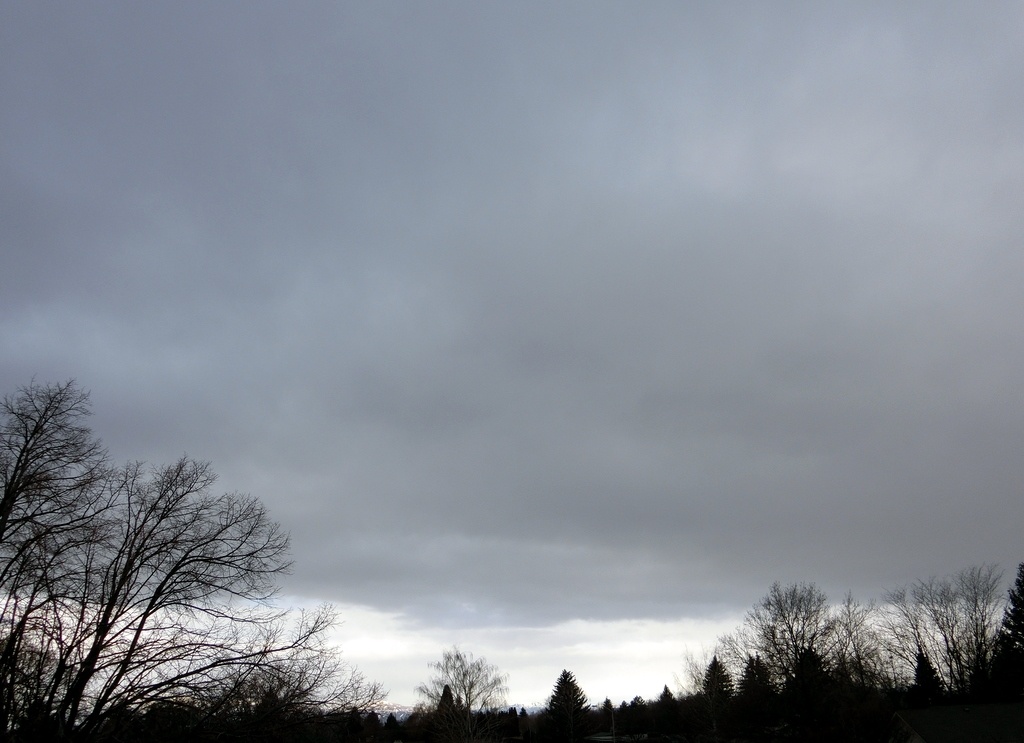
Which type of cloud is this?

a)

cirrus

b)

stratus

c)

cumulus

31.

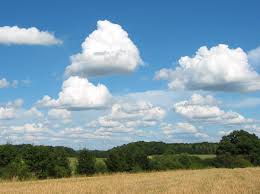
Which type of cloud is this?

a)

cirrus

b)

stratus

c)

cumulus

32.

Which type of cloud is this?

a)

cirrus

b)

stratus

c)

cumulus

33.
The layers of the atmosphere in order from bottom to top are
a)
troposphere, stratosphere, mesosphere, thermosphere, exosphere
b)
troposphere, mesosphere, atmosphere, thermosphere
c)
mesosphere, thermosphere, troposphere, stratosphere, exosphere
d)
thermosphere, stratosphere, mesosphere, troposphere, exosphere
34.
A lava lamp with putty which heats, flows to the top, cools, then flows to the bottom is an example of:
a)
conduction
b)
convection
c)
radiation
35.
Heat from the sun travels to Earth by _____.
a)
conduction
b)
convection
c)
insulation
d)
radiation
36.
Where we live.
a)
stratosphere
b)
thermosphere
c)
troposphere
d)
mesosphere
37.
A measure of the amount of water vapor in the air is called what?
a)
Rigidity
b)
Moisture
c)
Humidity
d)
Fog
38.
The layers of the atmosphere that get colder as altitude increases are
a)
thermosphere and troposphere
b)
meosphere and troposphere
c)
stratosphere and thermosphere
d)
thermosphere and mesosphere
39.
The hottest layer is the
a)
themosphere
b)
stratosphere
c)
mesosphere
d)
troposphere
40.
Thermal energy ALWAYS moves from _____ to _____.
a)
solid to liquid
b)
ice to water
c)
hot to cold
d)
solid to gas
41.
The temperature at which water vapor condenses is the 
a)
relative humidity
b)
humidity
c)
freezing point
d)
dew point
42.
This type of cloud is thin and flat, and the edges are not clearly defined
a)
cirrus cloud
b)
cumulus cloud
c)
stratus cloud
d)
cumulonimbus cloud
43.
Nimbostratus and cumulonimbus clouds can signal what type of upcoming weather?
a)
fair skies
b)
hot, sunny weather
c)
windy weather
d)
rainy weather
44.
what type of cloud is shown?
a)
cumulus
b)
cirrus
c)
stratus
45.
What type of cloud is fog an example of?
a)
Nimbus
b)
Stratus
c)
Cirrus
d)
Cumulus
46.
True or False: Cirrus clouds often produce rain or drizzle.
a)
True
b)
False
47.
What type of cloud is this?
a)
Cumulonimbus
b)
Cirrus
c)
Nimbus
d)
Stratus
48.
What type of cloud is this? A middle level puffy cloud
a)
Altocumulus
b)
Fog
c)
Nimbostratus
d)
Stratocumulus
49.

What type of cloud is this? Causes rain or snow showers

a)

Nimbostratus

b)

Fog

c)

Cirrcocumulus

d)

Cirrostratus

50.
Type of forest biome near the equator; receives a lot of rain; temperatures are warm all year.
a)
desert
b)
tropical rain forest
c)
arctic
d)
temperate rain forest
51.

Oceans cover about ______ of the surface of the earth.

a)

60%

b)

70%

c)

80%

d)

90%

52.

There are _____ oceans in the world

a)

4

b)

6

c)

5

d)

9

53.

People who study oceans are called

a)

oceanographists

b)

oceaners

c)

oceanists

d)

oceanographers

54.

What makes up pollution in the ocean?

a)

Chemicals

b)

Trash

c)

sewage

d)

Oil

e)

All of the above

55.
Pollution _________________________.
a)
is harmful materials put into the environment
b)
found in air, water, and land
c)
effects plants, animals, and people
d)
All of the above
56.
How can trash effect wildlife?
a)
Wildlife animals cannot hunt prey because of the smell of garbage.
b)
Trash makes it hard for wildlife to camouflage.
c)
Wildlife could eat trash that they think is food.
d)
Wildlife animals are afraid of trash.
57.
Which of the following items could you recycle?
a)
An old newspaper
b)
A plastic soda bottle that is empty
c)
An empty cereal box
d)
All of the above
58.

The Portion of water that flows across the surface that does not soak into the ground and runs into water bodies

a)

what

b)

fertilizer

c)

erosion

d)

runoff

59.

What percentage of marine life lives in coastal waters?

a)

90%

b)

70%

c)

50%

d)

30%

60.

What has happened in the National Park to ensure enough food for the dolphins?

a)

Hunt other animals which might use their food supply

b)

Ban the use of boats

c)

Only allow seasonal tourism

d)

Ban commercial fishing

61.

What has caused shark populations to decrease by 90%?

a)

Deforestation

b)

Poaching

c)

Global warming

d)

Over-fishing

62.

What advantage to white-tipped reef sharks have over other sharks?

a)

Camouflage

b)

Ability to fit into narrow spaces in coral

c)

Extra sharp teeth

d)

More sensitive hearing

63.

What problem has been caused by rising sea temperatures?

a)

Coral bleaching

b)

Deforestation

c)

Eutrophication

d)

Increased poaching

64.

Sea Otters and Sheephead Wrasse help to keep down the number of _______________ in coastal waters.

a)

Kelp

b)

Sea Urchins

c)

Starfish

d)

Plankton

65.

How long has it been since the Humpback Whale's last meal?

a)

Days

b)

Weeks

c)

Months

d)

Years

66.

Which organisms are taking over waters once rich in fish species?

a)

Jellyfish

b)

Starfish

c)

Plankton

d)

Spider crabs

67.

The lagoon in Raja Ampat Islands in Southeast Asia now functions as what?

a)

Breeding ground for dolphins

b)

Kelp forest

c)

Food source for humpback whales

d)

Nursery for baby sharks

68.
What is the world's largest tropical rainforest?
a)
Daintree in Australia
b)
 El Yunque in Puerto Rico
c)
Kakum in Ghana, Africa
d)
Amazon in South America
69.
Review Question: What is the term for the destruction of the rainforest?
a)
deforestation
b)
environmental understory destruction
c)
ecosystem damage
d)
canopy collapse
70.
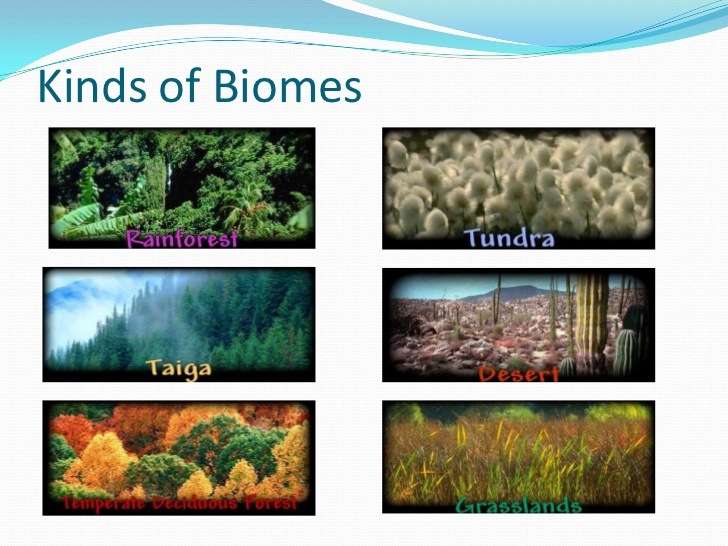
What is the main factor that separates the biomes?
a)
Land
b)
Water
c)
Climate
d)
Longitude
71.
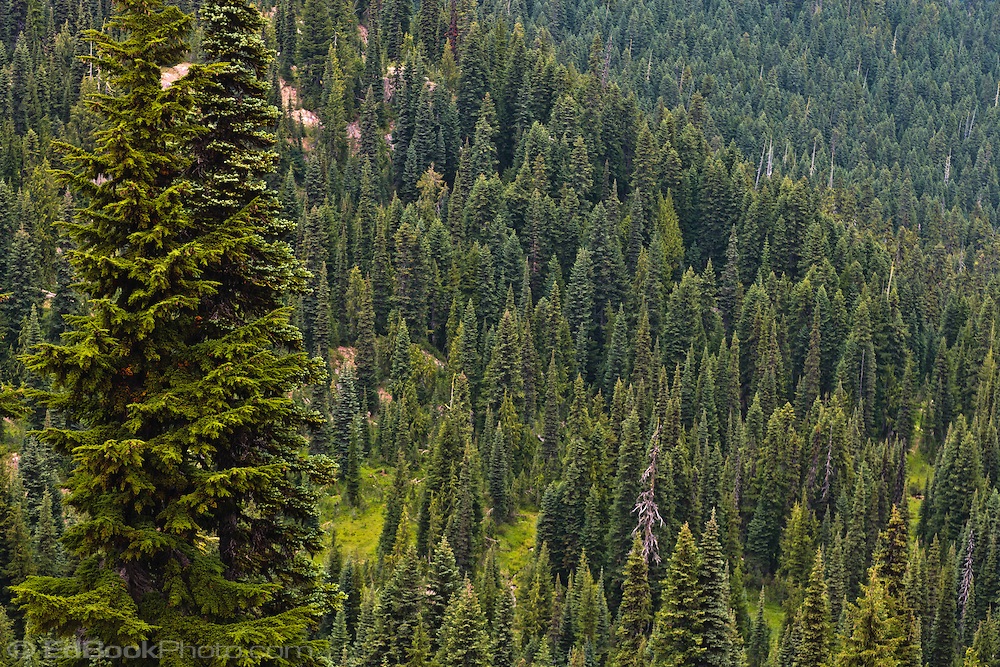
Which biome has coniferous trees (which don't lose their leaves)?
a)
Taiga
b)
Temperate Forest
c)
Tundra
d)
Grasslands
72.
Which biome has the most variety of plants and animals?
a)
Temperate Forest
b)
Rainforest
c)
Tundra
d)
Grasslands
73.

Which continent gets the most tornadoes every year?

a)

North America

b)

South America

c)

Asia

d)

Africa

74.

Which type of natural disaster is also called a "typhoon" or "cyclone"?

a)

tornado

b)

hurricane

c)

tsunami

d)

volcano

75.

Which type of natural disaster can actually form new islands?

a)

volcanoes

b)

hurricanes

c)

flooding

d)

tsunamis

76.

If seismic waves are passing through the earth, you are experiencing...

a)

an earthquake

b)

a hurricane

c)

a flood

d)

a tornado

77.

If you see a funnel cloud, you are experiencing....

a)

a tornado

b)

a hurricane

c)

an earthquake

d)

a flood

78.

If you live in a tropical area and are blown around by high-speed wind, you may be experiencing....

a)

an earthquake

b)

a tornado

c)

a hurricane

d)

a tsunami

79.

What is the three Earthquake Safety tips?

a)

Drop, Crouch, Help

b)

Drop, Cover, Help

c)

Drop, Cover, Hold

d)

Dip, Cover, Hold

80.

Where is the safest place to go if there is a tornado?

a)

Basement or lowest level

b)

Near a window so you can watch

c)

Top level of the building

d)

Outside on the front porch

81.

What is a tornado?

a)

A small funnel-shaped cloud that comes down from a storm cloud with strong winds

b)

A severe storm with lightning

c)

A storm that forms over Lakewood

d)

All of the above

82.
What is the calm area in the center of a hurricane called?
a)
Wall
b)
Eye
c)
Arm
d)
Hole
83.

Hurricane categories range from ____.

a)

1 to 8

b)

1 to 10

c)

1 to 5

84.

How can you stay safe during a tornado?

a)

stay away from windows

b)

go outside

c)

run to another house

d)

cook food

85.

If you don't have a basement, which of the following choices is the safest shelter during a tornado?

a)

An interior room (closet, hallway, bathroom, etc.) on the lowest floor of your house away from windows.

b)

If one is available, in an outside garage or shed.

c)

The North wall of the house is always the safest.

d)

If you have a fireplace try to crawl into it. Use it as a shelter.

86.

Read the following quote from the Topeka-Kansas Daily Journal.


"It was completely surreal. I watched the entire house lift off the ground, it was like a scene out of the Wizard of Oz," said Robert Urlacher, local meteorologist and storm chaser.


What type of tornado did Mr. Urlacher most likely experience?

a)

F-2

b)

F-3

c)

F-4

d)

F-5

87.
Which is NOT a characteristic of a hurricane?
a)
Hurricnanes have rotary circulation
b)
Hurricanes have other names like typhoon and cyclone
c)
Hurricanes form over land
d)
Hurricanes have sustained wind speeds
88.
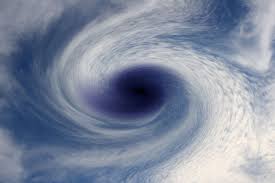
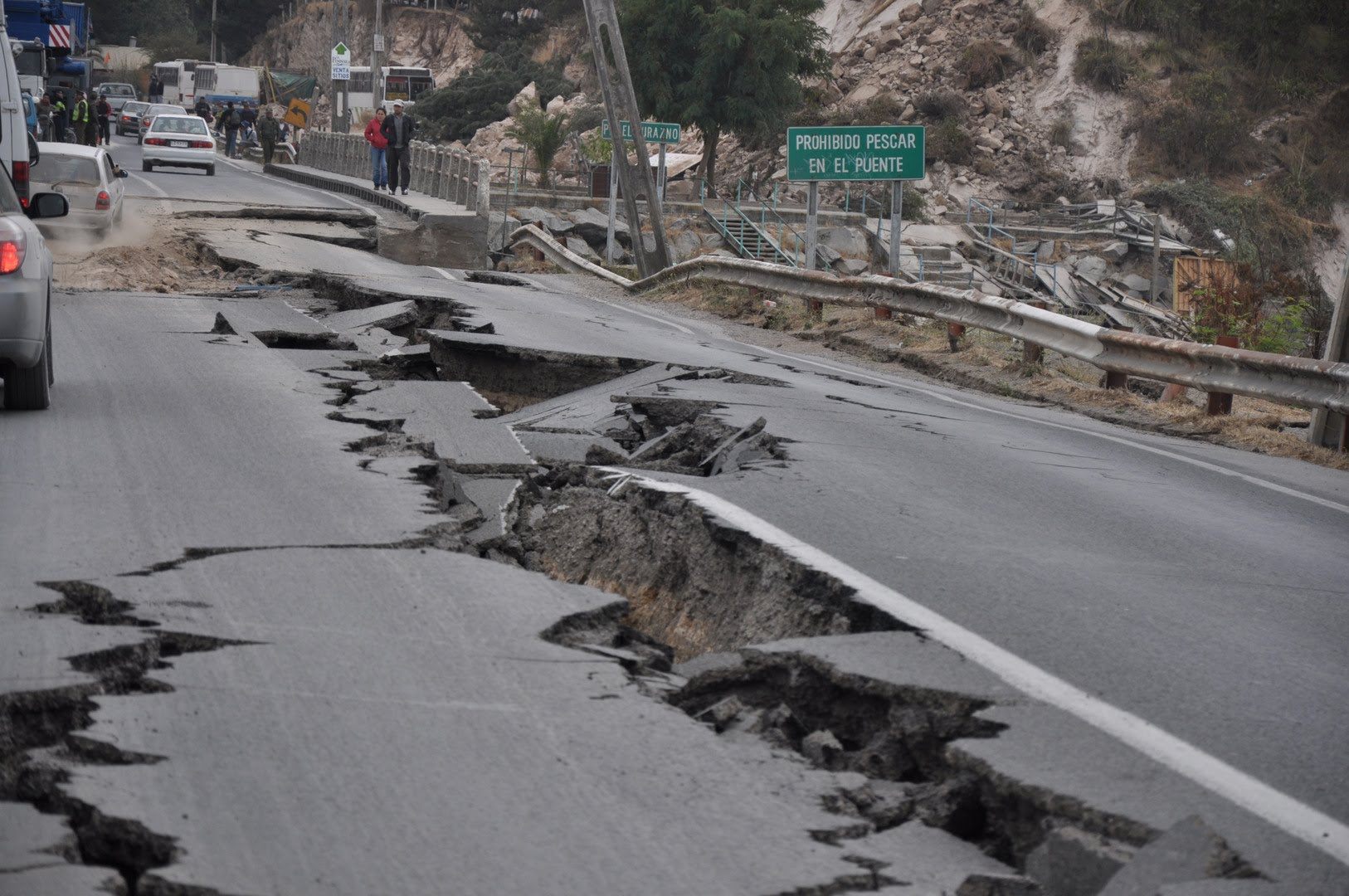
What is it?
a)
avalanche
b)
strom
c)
earthquake
d)
wildfire
89.
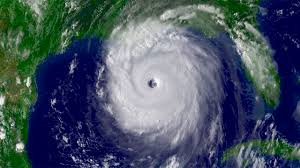
What is it?
a)
tsunami
b)
hurricane
c)
tornado
d)
storm
90.
What is it?
a)
flood
b)
avalanche
c)
tornado
d)
hurricane