wayground logo

Free Printable Worksheets

Font size

S
M
L
XL
Worksheets

CBA 2

Total questions: 88

Worksheet time: 8hrs 56mins

Name
Class
Date
1.

Both elements and compounds are pure substances.

a)

Agree

b)

Disagree

2.

Two or more different elements chemically combine to form compounds.

a)

Agree

b)

Disagree

3.

Carbon is considered an element, while carbon dioxide is considered a compound. This is because carbon dioxide is ---

a)

a gas at room temperature.

b)

made of two different elements.

c)

given off by green plants.

d)

useful to human beings

4.
Is sugar (C12H22O11) an element or a compound?
a)
Element
b)
Compound
5.
Is Iron (Fe) an element or a compound?
a)
Element
b)
Compound
6.
Which of the following represents an element?
a)
H2O
b)
H2
c)
NaCl
d)
CaCO3
7.

Located on the Periodic Table

a)

Elements

b)

Compounds

c)

Both

8.

Cannot be broken down into a simpler substance

a)

Elements

b)

Compounds

c)

Both

9.
What is the difference between a compound and an element?
a)

Compounds are made up of elements and can be chemically separated. Elements cannot be separated.

b)

Elements make up compounds. Elements can be separated but compounds cannot be separated.

c)

Elements are found on the periodic table and compounds are found on the dining room table.

10.

Which elements are shiny?

a)

metals only

b)

nonmetals only

c)

metals and nonmetals

d)

metals and MAYBE metalloids

11.
Which of these grouping of elements could have the characteristic of brittle?
a)
Metal
b)
Nonmetal
12.
If a material can easily be drawn into the shape of a wire, it is
a)
Ductile
b)
Magnetic
c)
Malleable
d)
Reactive
13.
Iron is a good conductor, malleable and magnetic. What type of element is Iron? 
a)
Metal
b)
Nonmetal
c)
Metalloid
d)
Pretty
14.
Which elements are found on the left to middle of The Periodic Table? 
a)
Metals
b)
Nonmetals
c)
Metalloids
d)
Candles
15.
Silicon is a semiconductor and has properties of both metals and nonmetals. What type of element is Silicon? 
a)
Metal
b)
Nonmetal
c)
Metalloid
d)
Pretty
16.
Which elements are found on the right side of The Periodic Table?
a)
Metals
b)
Nonmetals
c)
Metalloids
d)
Water
17.
Non-metals are good conductors of heat and electricity. 
a)
TRUE
b)
FALSE
18.
One property of a nonmetals is that it is a good conductor of electricity?
a)
true
b)
false
19.
If a substance breaks easily, it is said to be ________________.
a)
A. Magnetic
b)
B. Brittle
c)
C. Conductive
d)
D. Ductile
20.
Anytime you see the word SEMICONDUCTOR - what substance do you have?
a)
Metal
b)
Nonmetal
c)
Metalloid
21.
a)

Metal

b)

Nonmetal

c)

Metalloid

22.
a)

Metal

b)

Nonmetal

c)

Metalloid

23.
a)

Metal

b)

Nonmetal

c)

Metalloid

24.
a)

Metal

b)

Nonmetal

c)

Metalloid

25.
a)

Metal

b)

Nonmetal

c)

Metalloid

26.
a)

Metal

b)

Nonmetal

c)

Metalloid

27.

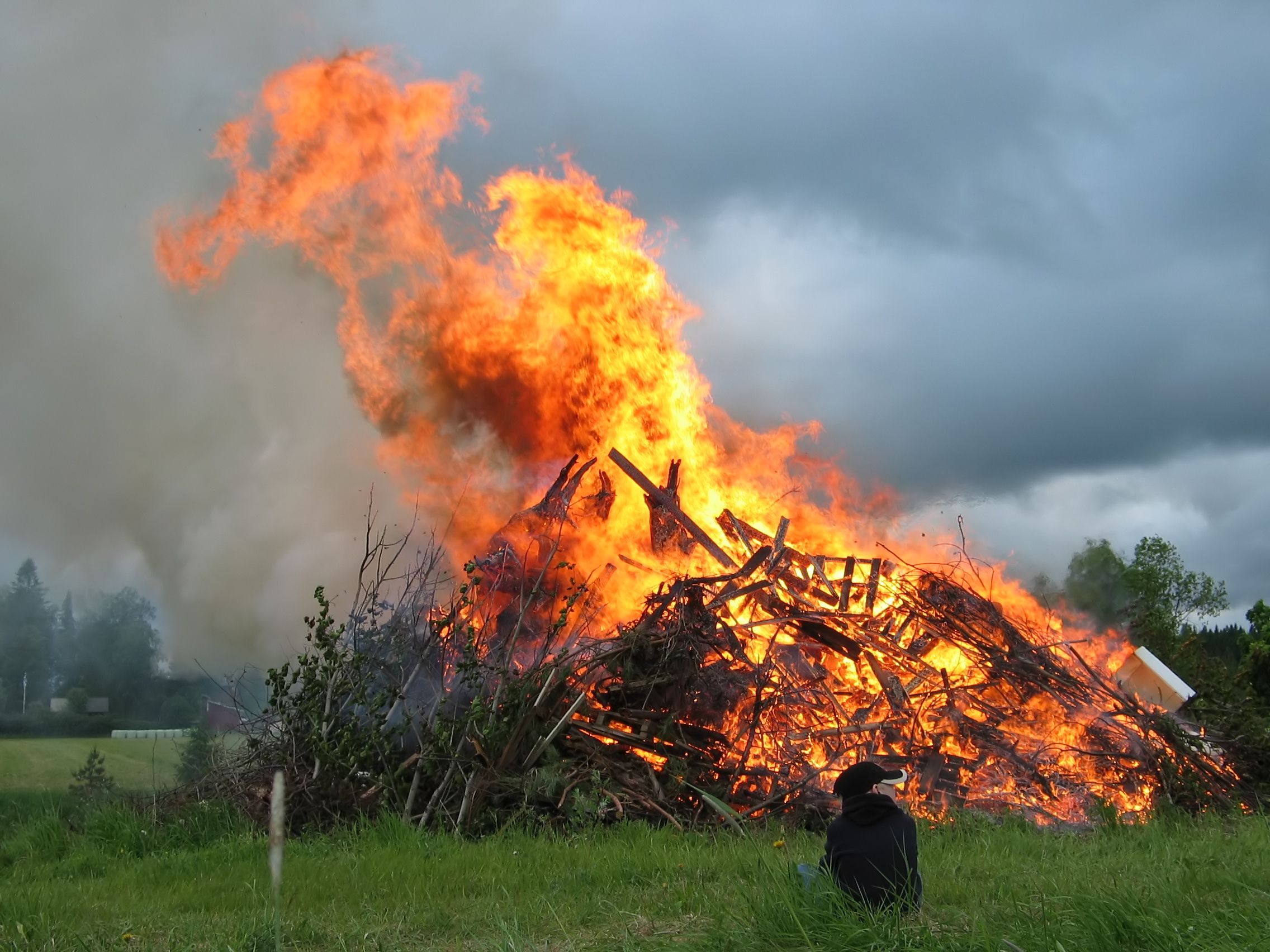
Wood that is burning in a brush pile has heat, and produces ashes.

a)

Physical

b)

Chemical

28.

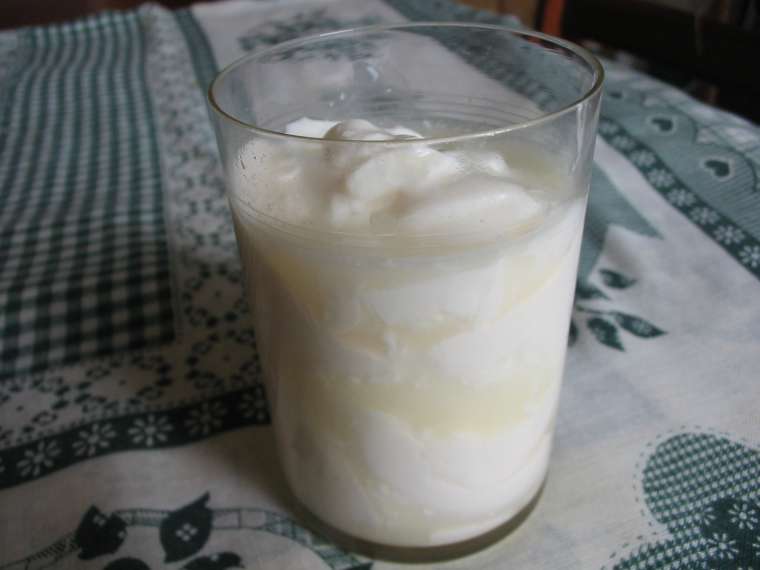
Is milk going sour a physical or chemical change?

a)

Physical

b)

Chemical

29.
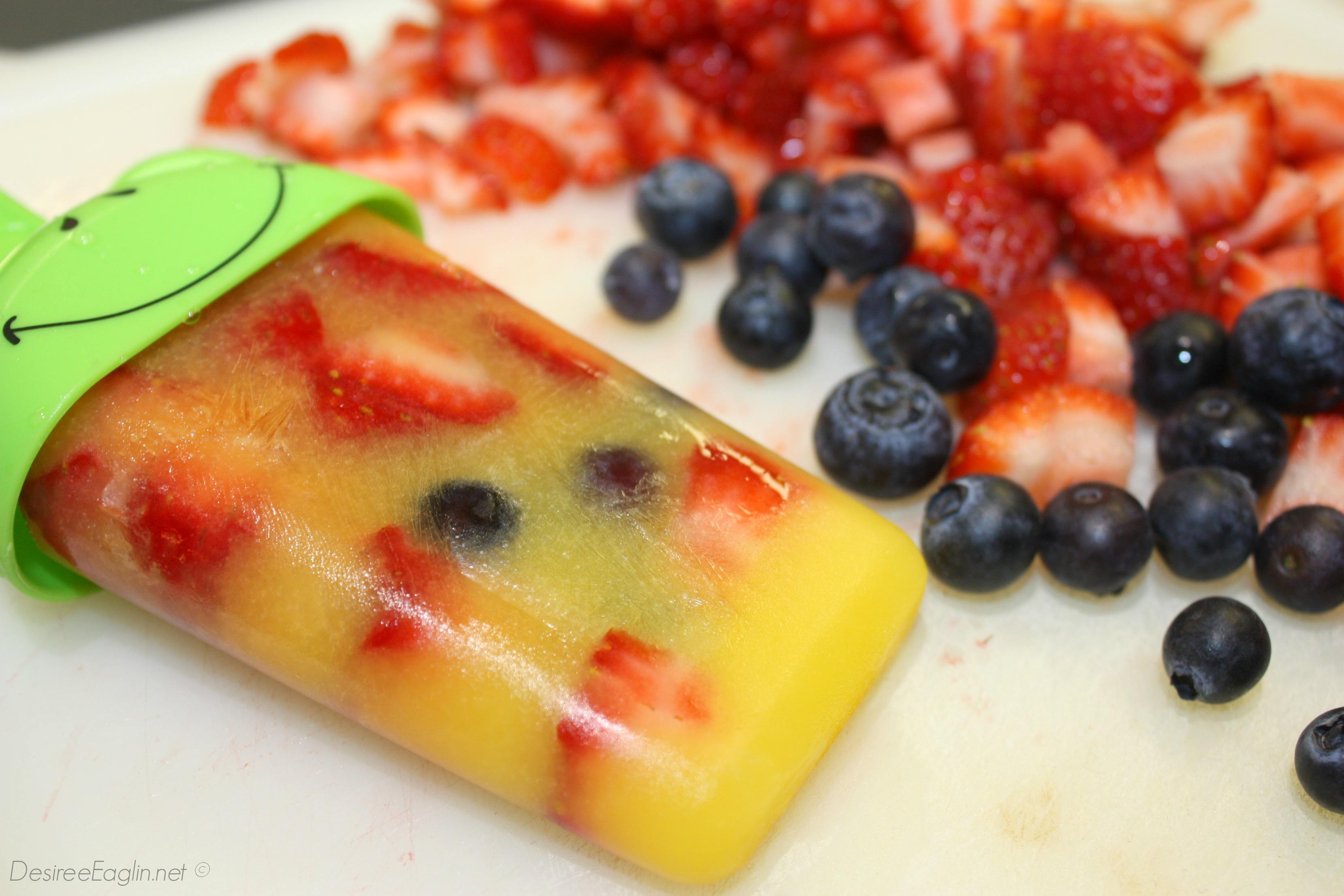
Is freezing juice a physical or chemical change?
a)
Physical Change
b)
Chemical Change
30.
An example of a physical property would be?
a)
Rust on a nail
b)
Salt dissolved in water.
c)
Wood burning
d)
An egg frying
31.

A physical change...

a)

changes the physical properties of an object, but does not create a new substance.

b)

creates a new substance and cannot be undone.

32.

A chemical change

a)

changes the physical properties of an object, but does not create a new substance.

b)

creates a new substance and cannot be undone.

33.

Is this an example of a physical or chemical change?

a)

physical

b)

chemical

34.

Is this an example of a physical or chemical change?

a)

physical

b)

chemical

35.

Is this an example of a physical or chemical change?

a)

physical

b)

chemical

36.
One of the signs of a chemical reaction taking place is:
a)
Bubbles are produced 
b)
Reactants are not combining
c)
Products are not forming
d)
Color is not changing
37.
Which of the following describes a precipitate?
a)
a liquid forms when a block of metal is heated
b)
a solid forms when one liquid is poured into another
c)
a gas forms when a solid is placed in a liquid
d)
bubbles form when an acid is poured on a rock
38.
A clear liquid from a flask is poured into another clear liquid in a beaker. Which of the following results of this procedure would indicate a new substance was formed?
a)
The level of the substance in the beaker is higher after the other liquid is added.
b)
A yellow solid forms and then settles to the bottom of the beaker.
c)
Small white crystals are left behind in the flask that held the first liquid.
d)
The mass of the combined liquids is greater than either original liquid.
39.
Which of the following is an example that includes evidence of a chemical reaction?
a)
A sample of zinc is placed in water and it settles to the bottom
b)
A solid block of ice is heated and it completely melts into a liquid. 
c)
Sugar that is burned gives off an odor and turns brown and then black.
d)
A tomato is placed into a blender and chopped up into smaller pieces.
40.
A student places a piece of a potato into a container of hydrogen peroxide. One observation the student makes is that bubbles form around the potato. The presence of bubbles might indicate the formation of a new substance because bubbles - 
a)
could show that a gas is forming.
b)
always rise to the top of a liquid. 
c)
are almost always perfectly spherical.
d)
usually burst after a few minutes.
41.
Sugar is dissolved into Kool Aid. What type of change is this? 
a)
Chemical 
b)
Physical 
c)
Multi
d)
Asystematic 
42.
Which is NOT an indication of a chemical change?
a)
temperature change
b)
formation of a precipitate
c)
shape change
d)
production of light
43.
You know you a chemical reaction has occurred if 
a)
there is a precipitate.
b)
there is a color change.
c)
there is a temperature change.
d)
All of these answers are evidence.
44.
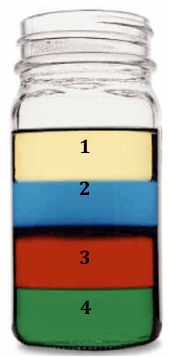
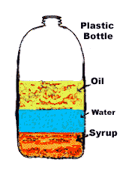
Put the liquids in order from most dense to least dense?
a)
4, 3, 2, 1
b)
1, 2, 3, 4
c)
3, 4, 2, 1, 
d)
4, 3, 1, 2
45.
Which liquid is the least dense?
a)
oil
b)
water
c)
syrup 
d)
plastic bottle
46.
Frank has an eraser. It has a mass of 4g, and a volume of 2cm3. What is its density?
a)
8 g/cm3
b)
2 g/cm3
c)
1/2 g/cm3
d)
24 g/cm3
47.
Jack has a rock. The rock has a mass of 14g and a volume of 2cm3. What is the density of the rock?
a)
7 mL
b)
7 g/cm3
c)
28 g/cm3
d)
1/7 g/cm3
48.
What is the volume of Object X?
a)
10.0 cm3
b)
15.0 cm3
c)
20.0 cm3
d)
25.0 cm3
49.
Frank has a paper clip. It has a mass of 9g and a volume of 3cm3. What is its density?
a)
3 g/cm3
b)
1/3 g/cm3
c)
27 g/cm3
d)
39 g/cm3
50.
Look at this image.  Which object has the LOWEST density in water? How
a)
The Ping Pong Ball because it floats to the top 
b)
The bolt because it has sunk to the bottom
c)
The soda cap because it is not just full of air like the Ping Pong ball
51.
If there are two forces going in the same direction how would you find the net force?
a)
Subtract
b)
Add
c)
Neither
d)
Multiply
52.
Forces that have a net force of zero ( the object is still).
a)
Balanced force
b)
Unbalanced force
53.
Calculate the net force shown in the  diagram?
a)
0N
b)
400 N
c)
600 N
d)
800 N
54.
Look at the diagram. What would be the direction of the motion ?
a)
movement to the left
b)
movement to the right
c)
no movement
55.

If there are two forces going in the opposite direction how would you find the net force?

a)

Subtract

b)

Add

c)

Neither

d)

Multiply

56.

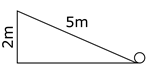
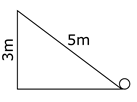
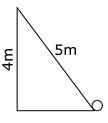
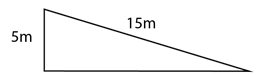
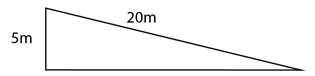
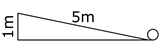
Which inclined plane requires the most effort to push the ball to the top?
a)
b)
c)
d)
57.

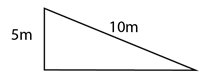
Which of the following inclined planes would require the least amount of effort to lift a box?
a)
b)
c)
d)

They all require the same amount of effort.

58.

If Steve throws the football 50 meters in 3 seconds, what is the average speed of the football?

a)

16.7 m/s

b)

15.5 m/s

c)

25.3 m/s

d)

22 m/s

59.

Calculate the average speed of a car that travels 60 km in 2 hours.

a)

12 km/h

b)

30 km/h

c)

25 km/h

d)

35 km/h

60.

Calculate the average speed between 0 and 10 hours.

a)

2 km/h

b)

3 km/h

c)

1 km/h

d)

5 km/h

61.

Calculate the average speed of the object between 1 and 3 seconds.

a)

20 m/s

b)

1 m/s

c)

30 m/s

d)

12 m/s

62.
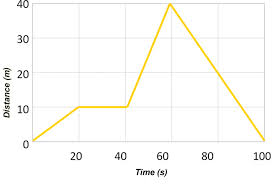
Calculate the speed:
A bus traveled 98 Km in 2 Hours
a)
94 Km/hr
b)
49 Km/hr
c)
196 Km/hr
d)
0.02 Km/hr
63.
What happened during A to B point?
a)
not moving
b)
increasing speed at a constant rate
c)
moving at a constant speed
d)
moving at 10 m/sacceleration
64.
What happened during C to D point?
a)
not moving
b)
increasing speed at a constant rate
c)
moving at a constant speed
d)
moving at 0 m/sacceleration
65.
What happened during A to B point?
a)
all of above
b)
moving at a constant speed
c)
moving at a 10 m/s
d)
moving at 0 m/sacceleration
66.
What is the motion described in the graph 
a)
all of above
b)
constant speed
c)
constant acceleration
d)
constant position
67.
During which interval is the object speeding up?
a)
A to B
b)
B to C
c)
D to E
d)
E to F
68.
During which interval is the object slowing down?
a)
A to B
b)
D to E
c)
E to F
d)
G to H
69.
How long did it take this object to travel back to its reference/starting point?
a)
20 s
b)
30 s
c)
60 s
d)
100 s
70.

Match the description to the graph:

"The car is coming back."

a)
b)
c)
d)
71.
What is happening at C?
a)
Stationary
b)
Accelerating
c)
Fast steady speed; moving away from the starting position
d)
Slower steady speed; moving away from the starting position
72.
What is happening at D?
a)
Stationary
b)
Accelerating
c)
Fast steady speed; moving away from the starting position
d)
Slower steady speed; moving away from the starting position
73.
Which type of energy transformation occurs when a flashlight shines?
a)
chemical → thermal → electrical
b)
chemical → electrical → light
c)
thermal → chemical → light
d)
chemical → electrical → chemical
74.
When water falls through a dam and turns a turbine connected to a generator, electricity is produced. This electricity is often used to light our homes and offices. Which of the following shows the energy transformations that occurs?
a)
electrical → light → mechanical
b)
chemical → mechanical → electrical
c)
mechanical → chemical → light
d)
mechanical → electrical → light
75.
A lamp that plugs into a wall socket draws energy which flows through a thin wire in the bulb causing it to glow. What energy transformations are taking place?
a)
chemical → light → electrical
b)
mechanical → sound → light
c)
thermal → solar → electrical
d)
electrical → thermal → light
76.
The Theory of the Conservation of Energy states -
a)
Energy can be created, just not destroyed. It changes its form from one type to another.
b)
Energy can never be created nor destroyed. It can only change its form from one type to another.
c)
The total energy in our Universe changes, as different forms of energies can be transformed from each other under certain circumstances.
d)
Energy transformations do not passively occur in our lives, rather we actively make use of energies and transform energies.
77.

Thermal energy always moves from hot to cold.

a)

true

b)

false

78.
A barefoot student steps on a hot concrete surface. Most of the heat transferred to the student’s skin by this contact is by the process of—
a)
convection
b)
conduction
c)
vaporization
d)
radiation
79.
what is conduction?
a)
direct touch
b)
air or liquids
c)
heat waves/ light waves
d)
drinking hot coffee
80.
what is convection
a)
direct touch
b)
air or liquids
c)
heat waves or light waves
d)
sunbathing outside
81.
what is radiation?
a)
direct touch
b)
air or liquids
c)
heat waves/ light waves
d)
touching the cookies out of the oven
82.

What type of thermal energy transfer is warming the man from the fire?

a)

Convection

b)

Conduction

c)

Radiation

d)

Heat

83.

What type of thermal energy transfer is occurring at point B?

a)

Convection

b)

Conduction

c)

Radiation

d)

Kinetic

84.

What is the measurement of kinetic energy of molecules?

a)

Heat

b)

Thermal Energy

c)

Temperature

d)

Density

85.
Which of the following are kinds of heat transfer.
a)
Conduction
b)
Convection
c)
Radiation
d)
All of the above
86.
When the 2nd story of a house is warmer than the 1st floor of a house is heat transfer through 
a)
conduction
b)
convection
c)
radiation
d)
thermal equilibrium
87.
The energy of moving particles
a)
heat
b)
thermal energy
c)
school
d)
temperature
88.
The flow of thermal energy from warmer objects to cooler objects 
a)
Ice Cold
b)
Heater
c)
Heat
d)
Convection