
 Worksheets
Solar System and Beyond
Total questions: 90
Worksheet time: 1hrs 19mins

What two things determine the gravity of an object?
mass & weight
mass & distance
density & mass
volume & distance
When will the forces of gravity between two objects be the GREATEST?
when the masses of both objects are small and the objects are far apart
when the masses of both objects are large and the objects are close together
when the masses of both objects are small and the objects are close together
when the masses of both objects are large and the objects are far apart
When will the gravity between two objects be the LEAST?
when the masses of both objects is small and the objects are close together
when the masses of both objects is small and the objects are far apart
when the masses of both objects is large and the objects are close together
when the masses of both objects is large and the objects are far apart
Which statement about gravity is true?
gravity causes objects to pull towards one another
gravity causes objects to push away from each other
gravity only takes place between planets
the moon doesn't have any gravity
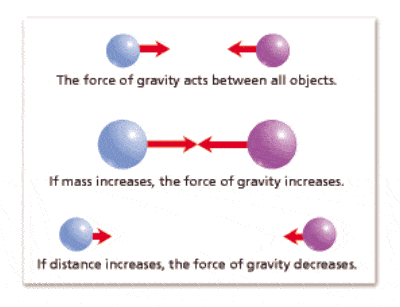

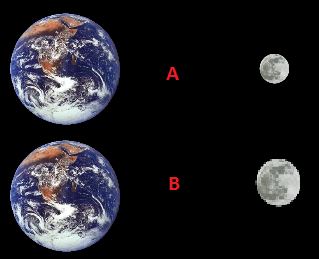
Relating to gravity - more mass equals:
less gravity
less distance
more gravity
more distance
Relating to gravity - less mass equals:
less gravity
less distance
more gravity
more distance

solar system:
the sun, planets, their moons and other objects that orbit it
4 parts of the year, caused by Earth's tilt
the path one body in space takes as it revolves around another body
to make an object appear larger

define orbit
the spinning of Earth on its axis, causes day and night
to make an object appear larger
the path one body in space takes as it revolves around another body
4 parts of the year, caused by Earth’s tilt

The ____________________ is everything that exists.
universe
sunspot
magnitude
solar wind
What is the term for the sum of all space, matter, and energy that exist, that have existed in the past, and that will exist in the future?
the stars
the galaxy
the universe
the solar system


Mercury,Saturn
Jupiter, Uranus, Neptune
Jupiter, Neptune,
Mercury,Saturn,
Uranus
Mars,Jupiter,
Saturn,Uranus
Neptune


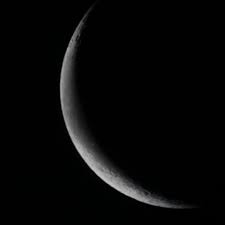
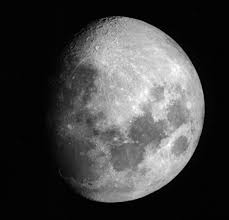
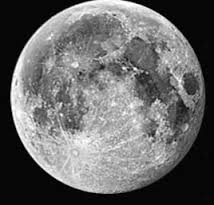
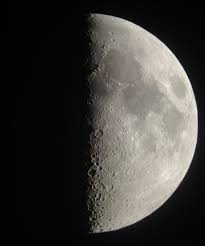

Name the phase of the moon for letter "f"
Waning Gibbous
Waxing Gibbous
Waning Crescent
Waxing Crescent

The moon get's it light from the
Earth
Sun
Solar System
A "gibbous" moon is when
Less than half of moon visible
More than half of moon visible
All of moon visible
None of moon visible
A "crescent" moon is when
less than 1/2 of the moon is lit
half the moon is lit
more than 1/2 of the moon is lit
none of the moon is lit
The moon makes one complete ____________ around the Earth.
revolution
rotation
climb
One complete trip around the Sun is a _?_.
revolution
rotation
A natural object that orbits a planet is a _?_.
asteroid
comet
moon
star
Pluto is a planet.
True
False
What force keeps the planets in their orbits around the sun?
magnetism
inertia
gravity
mass
The sun, moon, and earth all rotate on an __________.
Axle
Axis
Pivot
Point
Which planet is furthest from the sun?
Pluto
Neptune
Uranus
Jupiter
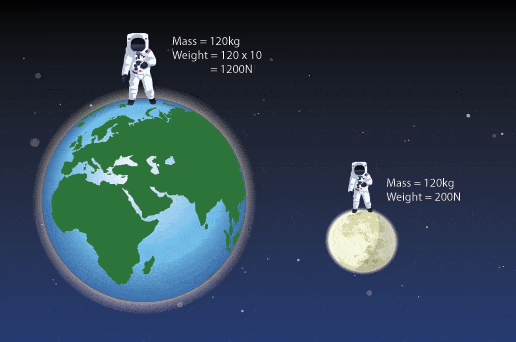
A person would weigh _________ on the moon.
More
Less
Which moon phase occurs directly after the new moon?
Waxing gibbous
Full
Waning crescent
Waxing crescent


What season is it for us in the Northern Hemisphere in the picture?
Summer
Winter
Fall
Spring

Which position of Earth in the picture would have the fewest hours of daylight in the North Pole?
Position A
Position B
Position C
Position D

With the Earth in the position shown, is there anywhere that would receive sunlight for more than a 24 hr period?
No, everywhere will get sunlight less a 24 hour period.
Yes, the North Pole will receive for more than 24 hrs of sunlight.
No, the South Pole will have receive than 24 hrs of sunlight.
Yes, the entire Earth will get more than 24 hours of sunlight.

The image above shows which type of sunlight?
direct sunlight
indirect sunlight
The equator gets the most direct sunlight, as you move north and south from the equator, the weather will get _________________ because of the amount of _____________ __________________.
warmer, direct sunlight
cooler, direct sunlight
cooler, indirect sunlight
warmer, indirect sunlight

Which angle of sunlight produces the most heat?
75 degrees
0 degrees
23.5 degrees
90 degrees

Where on Earth can you experience entire days of darkness?
The equator
Tropic of Cancer
Tropic of Capicorn
The Poles
Which season has less daylight?
summer
winter
Which season has most daylight?
summer
winter
The path of an object in space around another object is a(n)
orbit.
axis.
rotation.
revolution.

