
 Worksheets
Grade 7 Quarter 6
Total questions: 92
Worksheet time: 48mins

What is the term for the type of symmetry shown here?
Circular
Central
Radial
Round
1. Nerve cells are which of the following?
a) a distinguishing characteristic of animals
a) a distinguishing characteristic of vertebrates
a) a distinguishing characteristic of invertebrates
a) common to all living things
1. What is a taxon?
phylum
kingdom
family tree
level of organization of living things

1. What kind of skeleton does the animal shown here have?
a) endoskeleton
a) exoskeleton
a) hydrostatic skeleton
a) bony skeleton
1. What type of adaptation is internal fertilization?
a) an instinctive adaptation
a) a structural adaptation
a) a behavioral adaptation
a) a functional adaptation
1. a body plan in which an organism can be divided into two parts that are nearly mirror images of each other
a) bilateral symmetry
a) asymmetry
a) radial symmetry
a) endoskeleton
1. a body plan in which an organism can be divided into two parts that are nearly mirror images of each other anywhere through its central axis
bilateral symmetry
asymmetry
radial symmetry
endoskeleton
1. a body plan in which an organism cannot be divided into any two parts that are nearly mirror images
a) bilateral symmetry
a) asymmetry
a) radial symmetry
a) endoskeleton
1. an inherited trait that increases an organism’s chances of surviving and reproducing in its environment
a) adaptation
a) endoskeleton
a) exoskeleton
a) hydrostatic skeleton
1. a fluid-filled internal cavity surrounded by muscle tissue
a) adaptation
a) endoskeleton
a) exoskeleton
a) hydrostatic skeleton
1. a thick, hard outer covering
a) adaptation
a) endoskeleton
a) exoskeleton
a) hydrostatic skeleton
1. an internal rigid framework that supports animals
a) adaptation
a) endoskeleton
a) exoskeleton
a) hydrostatic skeleton
The way an animal’s body parts are arranged is known as
a) symmetry
a) taxonomy
a) adaptation
a) skeleton
1. The ability of ants to sense ultraviolet light is a
a) structural adaptation
a) functional adaptation.
a) behavioral adaptation.
a) adaptation
1. Which body item is NOT part of an closed circulatory system?
a) heart
a) blood vessels
blood
a) skeleton

1. Which phylum does the animal shown here belong to?
a) Cnidaria
a) Platyhelminthes
a) Nematoda
a) Annelida
1. Which of the following statements about parasites is false?
a) a parasite gets food from another organism
a) a parasite lives in or on another organism
a) a parasite helps its host organism
a) a parasite does not help its host organism
1. An animal with a mantle belongs in which phylum?
a) Mollusca
a) Echinodermata
a) Cnidaria
a) Platyhelminthes

The structure shown here is a trait of the species in which phylum?
a) Porifera
a) Cnidaria
a) Mollusca
a) Echinodermata
1. What does the word "Echinoderm" mean?
a) spiny skin
a) bony plates
a) tube feet
a) endoskeleton
1. An animal that does not have a backbone is a(n)
a) vertebrate
a) exoskeleton
a) invertebrate
a) Endoskeleton
1. An animal that survives by living inside another organism and getting food from the organism but does not help the organism survive is a
a) prey
a) parasite
a) predator
a) Mollusca
1. Special cells used by cnidarians to inject poison are called
a) setae
a) canals
a) nematocysts
a) Mollusca
1. Tiny, stiff hairs that help earthworms grip surfaces are called
a) setae
a) canals
a) nematocysts
a) Mollusca
1. The process of shedding and replacing an exoskeleton is called
a) filtering
a) molting
a) metamorphosis
a) Mollusca
1. The process of an insect changing body form as it grows from an egg to an adult is called
a) filtering
a) molting
a) metamorphosis
a) Mollusca
1. The feet of echinoderms are connected to large tubes called
a) setae
a) canals
a) nematocysts
a) Mollusca
1. It makes up the oldest branch of the animal family tree
a) sponge
a) arthropod
a) cnidarian
a) echinoderm
1. It has jointed appendages that extend from the central part of its body.
a) arthropod
a) cnidarian
a) echinoderm
a) flatworm
1. It has bilateral symmetry and a flat body shape
a) flatworm
a) arthropod
a) cnidarian
a) echinoderm

1. Which of the following is NOT a characteristic of all chordates?
a) pharyngeal pouches
notochord
backbone
tail
1. Which of these is not one of the three major groups of fish?
a) jawless fish
a) bony fish
a) sharks and rays
a) freshwater fish
1. Which are amphibians without legs?
a) Salamanders
a) Caecilians
a) Newts
a) snakes

1. Which of the following do birds and reptiles have in common?
a) amniotic eggs
a) ectotherm
a) feathers
a) hollow bones
1. Which of these produces milk?
a) the oil glands
a) the mammary glands
a) the scent glands
a) the lymph glands
1. These have feathers
a) birds
a) amphibians
a) fish
a) mammals
1. These have hair.
a) birds
a) amphibians
a) fish
a) mammals
1. The name of the group means “both ways of life.”
a) birds
a) amphibians
a) fish
a) mammals
1. The adult stage of these have gills that exchange carbon dioxide for oxygen in the water
a) birds
a) amphibians
a) fish
a) mammals
1. These have mammary glands that provide milk for their young.
a) birds
a) amphibians
a) fish
a) mammals
1. have gills as tadpoles and lungs as adults
a) reptiles
a) amphibians
a) fish
a) birds
1. generate body heat from inside
a) ectotherm
a) endotherm
a) mammary glands
a) notochord
1. get body heat from the environment around them
a) ectotherm
a) endotherm
a) mammary glands
a) notochord
1. grooves along the side of a developing chordate
a) pharyngeal pouches
a) endotherm
a) mammary glands
a) notochord
1. flexible rod-shaped structure that supports a developing chordate
a) pharyngeal pouches
a) endotherm
a) mammary glands
a) notochord
octapod
invertebrate means:
without head
without bones
without arms and legs
without backbone or bones

Jellyfish
Sponge
Worm
fish
Which one is a mollusk bivalve?


A leech is a
Annelid
Arthropod
Echinoderm
Porifera
Insect


Echinoderm


They are fed with milk when babies


They have moist skin


Most of them can fly


They have dry skin


They don't breathe with lungs


Label the missing body part
limb
wings
tail
Choose 3 vertebrates


Vertebrate animals have an ______________
Internal skeleton
Exoskeleton
Soft body
Long legs
Which one is a mammal?


Which one is a reptile?


Penguins are...
birds
mammals
Fish
amphibians
Birds have
fur
scales
feathers
moist skin
Fish have
legs
fins
lungs
Mammals have their body covered in
feathers
scales
fur
Amphibians have
feathers
fur
moist skin
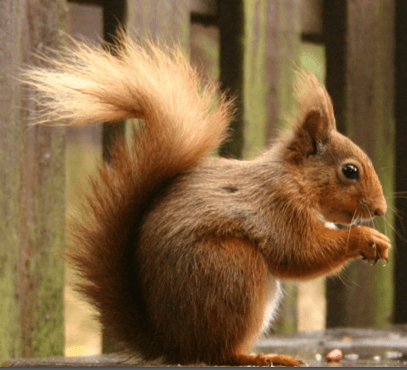

What am I?
Reptile
Amphibian
Mammal
Bird

Vertebrate animals have bones
True
False
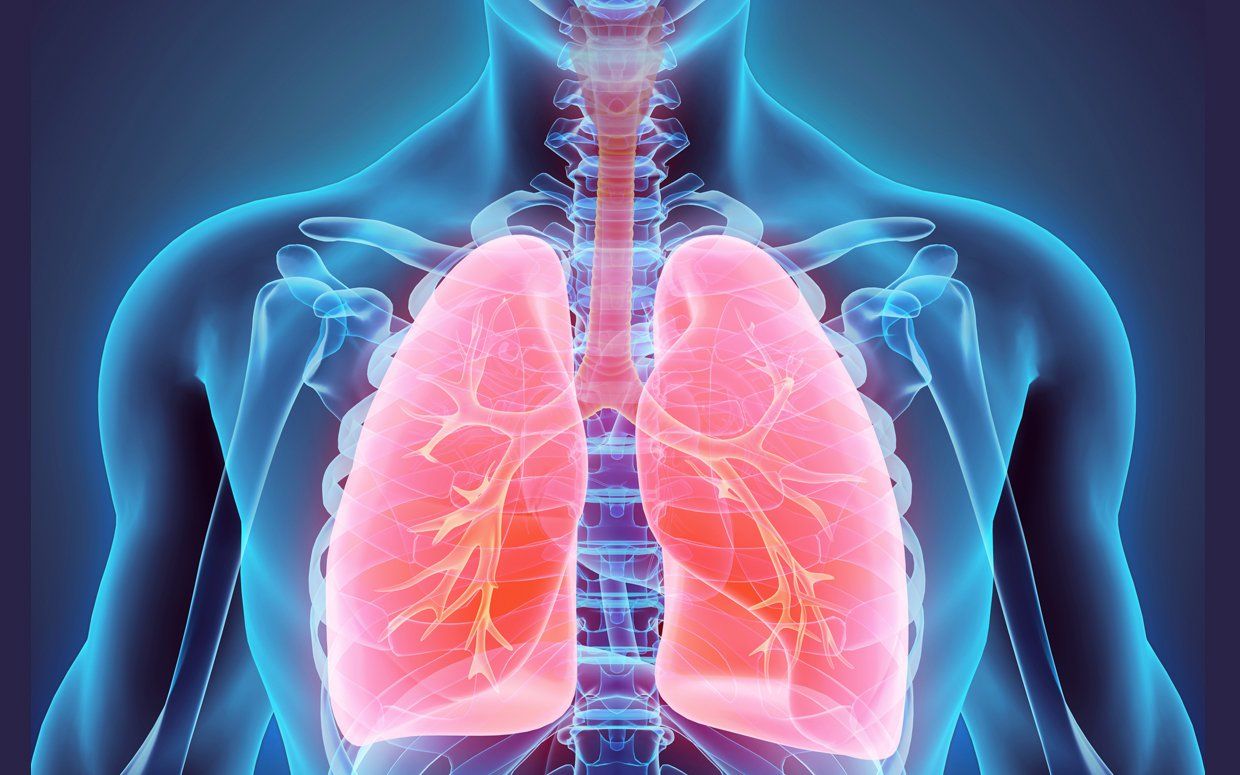
What animals breathe through lungs?
Mammals and fish
Fish and birds
Mammals, birds, reptiles and adult amphibians
Humans, birds and sharks

Which animals have moist skin?
Amphibians
Fish
Reptiles
Birds
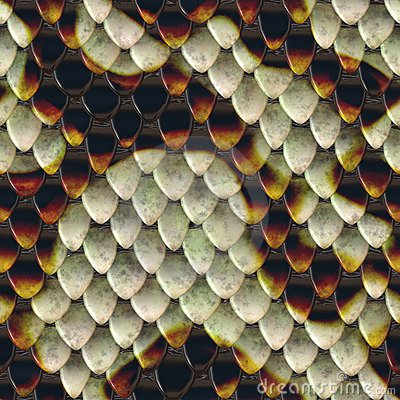
Select the animals with scales
Birds
Mammals
Reptiles
Fish
Amphibians

